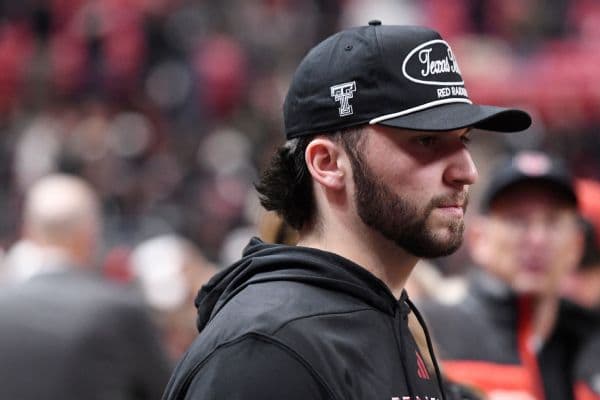
The legal landscape of college athletics continues to shift, and the Big 12 Conference is currently at the center of a complex dispute that could have long-standing implications for player eligibility and conference governance. Despite Texas Tech Red Raiders quarterback Brendan Sorsby being cleared to play, the Big 12 presidents and chancellors are reportedly in no hurry to withdraw a federal lawsuit centered on his eligibility status. The decision to maintain the Big 12 lawsuit Brendan Sorsby eligibility case stems from lingering concerns regarding the player's professional future and potential legal fallout.
The Core of the Big 12 Lawsuit and Brendan Sorsby's Eligibility
According to sources familiar with the situation, the Big 12's leadership is moving cautiously. While Sorsby has been a focal point of the Texas Tech offense this season, the conference's legal action remains active in the federal court system. The primary motivation for keeping the lawsuit alive is not necessarily to prevent Sorsby from taking the field right now, but rather to resolve the underlying legal questions that his transfer and eligibility status have raised.
The situation became complicated following Sorsby's transfer from the University of Cincinnati to Texas Tech University. Disputes over eligibility often involve intricate interpretations of conference bylaws and NCAA regulations, particularly in an era where the transfer portal and immediate eligibility have become the norm. However, the Big 12's decision to pursue a federal lawsuit suggests that the conference views this specific case as a matter of significant legal precedent.
NFL Draft Prospects and Professional Implications
One of the most compelling reasons the Big 12 is maintaining its legal stance involves Brendan Sorsby’s NFL future. As a starting quarterback in a Power Four conference, Sorsby is naturally under the scouting microscope. A source told ESPN that the league remains concerned about how any retroactive changes to his eligibility or the resolution of this dispute might impact his standing with the NFL.
If the legal questions surrounding his eligibility are not definitively answered, it could create a cloud of uncertainty as he approaches the professional ranks. By seeking a formal legal resolution now, the conference may be attempting to provide clarity—or at least a final ruling—that prevents future challenges to the validity of his collegiate statistics or his participation in specific games during the current season.
Protecting Against Legal Retribution
Beyond the immediate impact on the player, the Big 12 is also acting defensively. The league’s presidents and chancellors are wary of "legal retribution" should they drop the lawsuit without a comprehensive agreement or ruling. In the current litigious environment of collegiate sports, conferences are increasingly sensitive to the possibility of being sued by players, schools, or third-party entities over eligibility rulings.
Key Factors Keeping the Lawsuit Active:
- Precedent Setting: Establishing how conference rules interact with federal law regarding transfer students.
- Liability Mitigation: Ensuring the conference is protected from future claims of lost earnings or damages by the athlete.
- Operational Consistency: Maintaining a uniform application of rules for all member institutions, including the Cincinnati Bearcats and Texas Tech.
The conference is essentially seeking a "safe harbor" through the court system to ensure that their handling of the Sorsby case cannot be used against them in future litigation. This defensive posture highlights the high stakes involved when conference bylaws intersect with individual player rights and federal oversight.
The Impact on Texas Tech and the Big 12 Standings
While the lawyers argue in federal court, the Texas Tech Red Raiders continue to rely on Sorsby's performance on the gridiron. Sorsby has been a productive piece of the Red Raiders' strategy, and his presence on the field remains vital for the team’s aspirations in the Big 12 standings. For the coaching staff and the university administration, the goal remains focused on the current season, even as the conference office looks toward the long-term legal horizon.
For now, the status quo remains: Sorsby is eligible and playing, but the Big 12 lawsuit Brendan Sorsby eligibility challenge remains a live issue. The sports world will be watching closely to see if the league eventually reaches a settlement or if this case proceeds to a ruling that could redefine how conferences manage eligibility disputes in the future.
Sources & Original Reporting