The National Football League’s long-standing effort to keep its internal legal disputes behind closed doors just hit a significant roadblock at the highest level of the American judicial system. On Monday, the United States Supreme Court declined to intervene in the Brian Flores discrimination lawsuit, effectively clearing the way for the former head coach’s claims against the league to proceed toward a public trial rather than being forced into private arbitration.
The decision marks a pivotal moment in a legal battle that has spanned over two years and threatened to pull back the curtain on the NFL’s hiring practices. By refusing to hear the NFL’s appeal, the Supreme Court has left in place a lower court’s ruling that allows Brian Flores and two other coaches to pursue their claims in federal court. This move is a major blow to the league, which has consistently argued that such disputes should be settled through its own internal arbitration process, often overseen by Commissioner Roger Goodell.
The Core of the Brian Flores Discrimination Lawsuit
The Brian Flores discrimination lawsuit first sent shockwaves through the sports world in February 2022. Flores, who was the head coach of the Miami Dolphins at the time of his firing, filed a class-action suit alleging systemic racism in the NFL’s hiring and promotion of Black coaches and front-office executives. He was later joined in the suit by fellow coaches Steve Wilks and Ray Horton, who brought their own allegations of discriminatory practices against various franchises.
Central to Flores’ complaint were allegations of "sham" interviews conducted by teams to satisfy the NFL’s Rooney Rule, which requires teams to interview minority candidates for head coaching and senior operation positions. Flores specifically pointed to an interview with the New York Giants, alleging he was made aware that the team had already chosen Brian Daboll for the position before his own interview even took place. He also leveled serious allegations against the Dolphins' ownership, claiming he was pressured to intentionally lose games to improve draft positioning.
The Battle Over Arbitration
Since the inception of the case, the NFL’s primary legal strategy has been to move the proceedings out of the public eye and into arbitration. The league argued that the employment contracts signed by coaches mandate that all disputes be handled through an internal process. Under the NFL’s standard arbitration agreement, the Commissioner typically serves as the arbitrator, a setup that Flores’ legal team argued was inherently biased and unfair.
In 2023, the U.S. District Court for the Southern District of New York ruled that while some of Flores’ claims against the Dolphins had to go to arbitration due to his specific contract language, his claims against the league and other teams—specifically the Giants and the Denver Broncos—could proceed in open court. The NFL appealed this decision to the Second Circuit Court of Appeals, which upheld the lower court's ruling, leading the league to petition the Supreme Court.
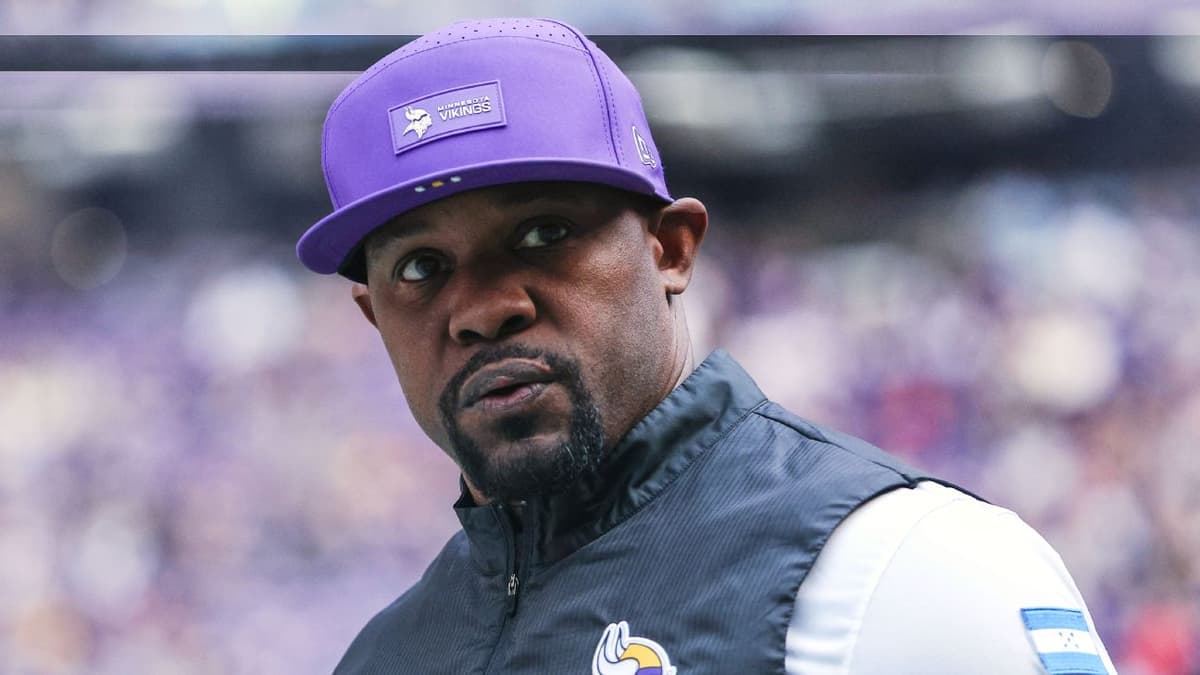
With the Supreme Court’s refusal to take up the case, the previous ruling stands. This means that Brian Flores, who is currently serving as the defensive coordinator for the Minnesota Vikings, will have the opportunity to seek discovery—a process that could involve the disclosure of internal NFL emails, text messages, and testimony that the league has fought hard to keep private.
What This Means for the NFL and Minority Coaching
The progression of this case in federal court is expected to keep the conversation regarding diversity in the NFL's coaching ranks at the forefront of the league's agenda. While the NFL has implemented several changes to the Rooney Rule and established new diversity committees since the suit was filed, the Brian Flores discrimination lawsuit seeks to prove that these measures have historically been insufficient or ignored.
For the Miami Dolphins and the Minnesota Vikings, the case remains a background narrative to their current operations. However, for the league office, the prospect of a public trial presents a significant PR and legal challenge. The discovery phase alone could take months or years, potentially revealing the inner workings of how the league’s most powerful owners make their most critical hiring decisions.
Next Steps in the Legal Process
Now that the jurisdictional battle over arbitration has reached its conclusion at the Supreme Court, the case returns to the district court level. The plaintiffs' legal team will likely move quickly to begin the discovery process. This involves gathering evidence to support their claims that the NFL’s hiring practices are discriminatory and that the league has historically functioned as a "closed-door" institution for minority candidates.
While a trial is still a distant prospect, the Supreme Court's refusal to step in ensures that this case will not disappear into the vacuum of private arbitration. For Brian Flores, Steve Wilks, and Ray Horton, the path to a jury trial is now clearer than ever, setting the stage for a landmark legal showdown that could reshape the future of the NFL's corporate structure.
Sources & Original Reporting