As the calendar turns to late February 2026, the Buffalo Bills find themselves at a pivotal juncture in the franchise's history. Following the transition to Joe Brady as head coach in January, the organization is now tasked with aligning the roster to fit a new vision while navigating the persistent challenges of the NFL salary cap. The Buffalo Bills offseason decisions this year will not only dictate the team's competitiveness in 2026 but also define the long-term structure of the team around superstar quarterback Josh Allen.
General Manager Brandon Beane and Coach Brady face a complex "cut, trade, or keep" puzzle. With high-profile contracts, emerging young stars, and the looming deadline for fifth-year options, the front office must be surgical. Every move made between now and the start of the new league year will be a calculated step toward maintaining Buffalo’s status as a perennial AFC powerhouse.
The Tight End Dilemma: Kincaid’s Option and Knox’s Future
The evolution of the Bills' offense under Joe Brady heavily features the tight end position, making the decisions regarding this unit among the most critical of the 2026 offseason.
Dalton Kincaid: The May 1 Deadline
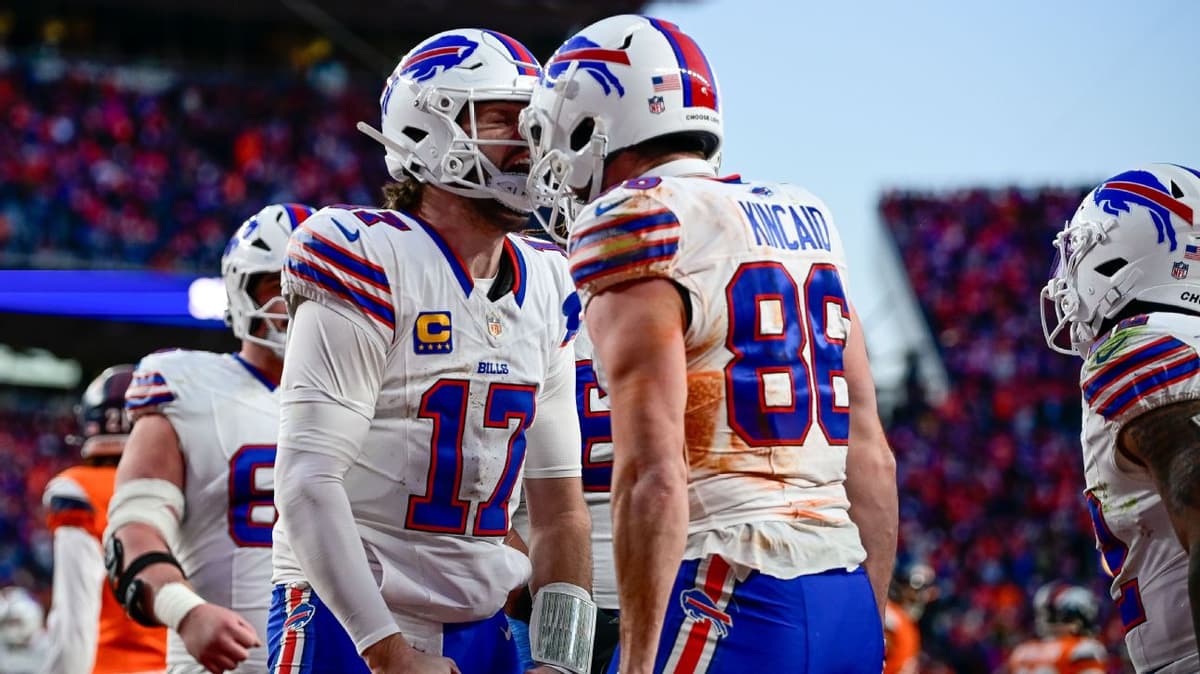
Dalton Kincaid has solidified his role as a premier pass-catching threat and a favorite target for Allen. As a former first-round pick, Kincaid is now eligible for his fifth-year option. The Bills have until the May 1, 2026, deadline to officially exercise this option, which would keep him under team control through the 2027 season. Given his production and chemistry with the quarterback, keeping Kincaid is a cornerstone of the Buffalo Bills offseason decisions.
Dawson Knox: Trade Bait or Veteran Anchor?
While Kincaid is the future, Dawson Knox remains a significant piece of the present. However, his veteran contract carries a substantial cap hit that may no longer align with his usage as the second tight end. The Bills must decide if Knox’s leadership and red-zone prowess justify his salary, or if he becomes a candidate for a trade to a team seeking a proven starter, potentially clearing much-needed cap space for other defensive needs.
Reshaping the Receiving Corps for Joe Brady
Joe Brady’s offensive philosophy demands versatility and speed from the wide receiver room. After a year of transition, the hierarchy of the receiving corps is coming into focus.
Joshua Palmer: The Contract Constraints
A major factor in the 2026 planning is Joshua Palmer. Currently entering the second year of the three-year, $36 million contract he signed in March 2025, Palmer represents a significant financial commitment. Because of the structure of that deal, moving on from Palmer this offseason would result in a massive dead cap hit. The Bills are likely to "keep" Palmer, hoping he can fully maximize his potential in his second year within the system, as a trade or cut is financially prohibitive at this stage.
Keon Coleman and Curtis Samuel
The Bills are extremely high on Keon Coleman, who has emerged as a physical X-receiver capable of winning contested catches. As he enters his third season, Coleman is the undisputed WR1 of the future. Meanwhile, Curtis Samuel remains the "gadget" piece that Brady loves to move around the formation. Keeping this duo intact provides the stability Josh Allen needs to remain efficient.
The Trenches: Stability on the Offensive Line
Offensive line continuity is a hallmark of successful Buffalo teams. The Buffalo Bills offseason decisions regarding the interior line will focus on maintaining the protection that kept Allen healthy throughout the 2025 campaign.
- Connor McGovern: Having successfully transitioned to center, McGovern is the cerebral leader of the unit. His ability to identify blitzes and solidify the middle of the pocket makes him a "keep" for 2026.
- David Edwards: Edwards has provided veteran stability at the guard position. While he may face competition from younger draft picks, his experience in Brady's blocking schemes makes him a valuable asset to retain.
Defensive Anchors: Taron Johnson and Taylor Rapp
On the defensive side, the Bills are looking to get faster and more aggressive under the new coaching regime. However, veteran leadership remains non-negotiable in the secondary.
Taron Johnson: The Premier Nickel
Taron Johnson continues to be one of the most underrated players in the NFL. His ability to play the run as well as the pass from the nickel spot is vital to the Bills' defensive identity. Despite any potential roster turnover, Johnson is widely considered a "keep" as his skill set is nearly impossible to replace through the draft alone.
Taylor Rapp: The New Leader
With the era of Poyer and Hyde firmly in the past, Taylor Rapp has stepped up as the vocal leader of the safeties. His physical style of play fits the culture Joe Brady and the defensive staff want to cultivate. As the Bills look to integrate younger talent in the backfield, Rapp’s veteran presence provides the necessary glue to keep the secondary cohesive.
Conclusion: A Disciplined Path Forward
The 2026 offseason is not about a total rebuild, but rather a disciplined refinement. By navigating the fifth-year option for Dalton Kincaid, managing the contract of Joshua Palmer, and ensuring the offensive line remains intact, Brandon Beane is setting the stage for the next chapter of Bills football. The decisions made in the coming weeks will determine if Buffalo has the depth and financial flexibility to finally capture that elusive Super Bowl title under the leadership of Joe Brady.
Sources & Original Reporting