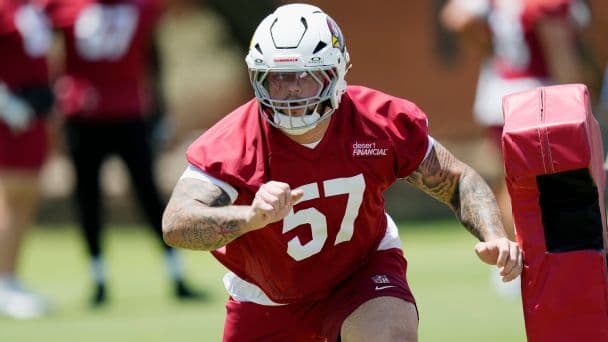
In the high-stakes environment of the NFL, the value of an offensive lineman is often measured not just by their strength at the point of attack, but by their adaptability. For Chase Bisontis, the journey to the Arizona Cardinals was defined by a willingness to embrace change and a relentless work ethic that saw him dominate multiple positions during his collegiate career. While many prospects find a single niche and stick to it, Bisontis used his time at Texas A&M to prove that he could be a Swiss Army knife in the trenches.
From the SEC Trenches to the Desert
The path for Chase Bisontis to the NFL was anything but linear. Coming out of high school as one of the most highly-touted recruits in the nation, Bisontis arrived at Texas A&M University with the expectations of a cornerstone tackle. The SEC is widely considered the most physically demanding conference in college football, and the Aggies wasted no time putting the young standout to the test.
During his freshman campaign, Bisontis did something rarely seen in the SEC: he started every game at right tackle as a true freshman. His performance earned him Freshman All-American honors and solidified his reputation as a premier protector. However, as his college career progressed, the coaching staff recognized that his unique combination of lateral quickness and raw power might be even more effective on the interior of the line. This shift would eventually become the catalyst for his professional scouting report.
The Tactical Shift: Transitioning from Tackle to Guard
While Chase Bisontis excelled on the edge, the move to guard was where he truly began to refine the skills that caught the attention of the Arizona Cardinals. Moving from tackle to guard requires a significant adjustment in footwork, hand placement, and mental processing. On the outside, tackles deal with speed rushers and space; on the inside, guards are involved in a phone-booth brawl with massive defensive tackles and complex blitz packages.
Bisontis embraced this transition, viewing it as an opportunity to showcase his versatility. By proving he could handle the speed of the edge and the power of the interior, he made himself an indispensable asset. This versatility is a primary reason why the Cardinals identified him as a key addition to their roster. In a league where injuries are inevitable, having a player who can slide across the line without a drop-off in production is worth its weight in gold.
Why the Arizona Cardinals Prioritized Bisontis
The Arizona Cardinals have been transparent about their desire to build a physical, tough identity under their current leadership. For general manager Monti Ossenfort and head coach Jonathan Gannon, the offensive line is the heartbeat of that identity. When evaluating Chase Bisontis, the Cardinals saw more than just a talented athlete; they saw a player with the high football IQ required to master multiple roles.
The Cardinals' offensive scheme relies on linemen who can pull, get out in space for screen passes, and hold their ground against elite interior pass rushers. Bisontis’ experience at Texas A&M provided him with the perfect laboratory to develop these specific traits. Key factors that made him a fit for Arizona include:
- Positional Flexibility: The ability to backup both tackle and guard positions provides immediate depth.
- SEC Pedigree: Having faced NFL-caliber talent every Saturday prepared him for the speed of the professional game.
- Physical Profile: His frame and strength allow him to anchor against the NFL's strongest defensive interiors.
- Mental Toughness: Transitioning positions in college requires a selfless, team-first mentality that fits the Cardinals' locker room culture.
Building a Foundation for the Future
As Chase Bisontis begins his tenure with the Arizona Cardinals, the focus remains on refinement. While his versatility got him through the door, his consistency will be what keeps him on the field. The Cardinals are looking to stabilize an offensive line that has seen significant turnover in recent years, and Bisontis represents a long-term piece of that puzzle.
For fans in Arizona, the addition of Bisontis is a signal that the team is prioritizing substance over flash. His road from Texas A&M to the NFL is a testament to the fact that being a "versatile" player isn't just about playing different spots—it's about mastering the nuances of the game at every level. As the Cardinals look to climb the ranks of the NFC West, the development of players like Bisontis will be the foundation upon which their success is built.
Sources & Original Reporting