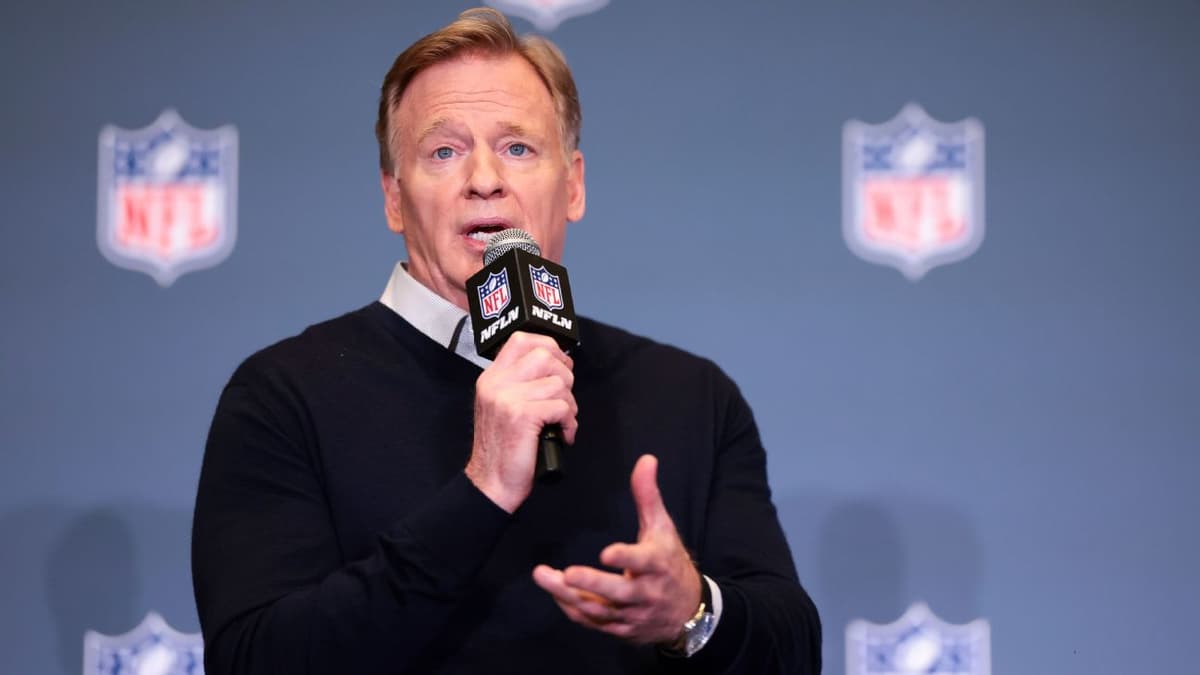
For decades, the NFL has been the undisputed king of American television, offering a relatively straightforward viewing experience for fans across the country. However, as the league aggressively pivots toward streaming exclusivity and multi-platform distribution, federal lawmakers are beginning to ask tough questions. NFL Commissioner Roger Goodell has been officially asked to testify before Congress regarding the league's current NFL broadcast deals and whether the current media landscape is causing undue harm to American consumers.
The Evolution of NFL Broadcast Deals
The inquiry, led by the Senate Judiciary Committee, comes at a time when the NFL’s media strategy is undergoing its most radical transformation since the 1960s. The league is currently in the early stages of an 11-year media rights package valued at over $110 billion. While traditional partners like CBS, FOX, NBC, and ESPN remain central to the ecosystem, the inclusion of digital-first platforms has complicated the viewing experience for the average fan.
From the migration of Thursday Night Football to Amazon Prime Video to the recent exclusive playoff game on Peacock and the upcoming Christmas Day games on Netflix, the league has prioritized the growth of streaming. While these deals have been a financial windfall for the league's 32 owners, Congress is concerned that the fragmentation of these rights is forcing fans to pay for multiple subscriptions just to follow their favorite teams.
Congressional Scrutiny of Fan Costs and Accessibility
The primary focus of the Congressional request is the economic impact on the public. Lawmakers are questioning if the current structure of NFL broadcast deals creates a financial barrier that excludes lower-income families and older fans who may not be tech-savvy or have access to high-speed internet. The Senate Judiciary Committee is seeking clarity on how these exclusive arrangements serve the public interest, especially given the league's unique legal status.
In a letter addressed to Goodell, committee members highlighted the increasing "pay-to-play" nature of NFL viewership. They pointed to the fact that fans who once relied on free, over-the-air broadcasts now find themselves navigating a maze of monthly fees. The committee wants to understand the criteria the NFL uses when awarding exclusive rights to streaming platforms and what measures, if any, are being taken to protect consumer affordability.
Antitrust Exemptions Under the Microscope
One of the most significant levers Congress holds over the league is the Sports Broadcasting Act of 1961. This federal law provides the NFL with a limited antitrust exemption, allowing the league to sell its broadcast rights as a collective package rather than having individual teams negotiate their own deals. This exemption was originally intended to ensure that games remained accessible to a wide audience through free television.
However, lawmakers are now questioning whether the NFL is still upholding its end of that bargain. If the league is found to be leveraging its market power to the detriment of consumers, there could be calls to modernize or even revoke these long-standing protections. The testimony from Roger Goodell is expected to address whether the shift to streaming violates the spirit of the 1961 Act, which was designed to promote the availability of sports programming.
What This Means for the Future of Football Viewing
While the NFL has historically defended its media strategy by citing record-breaking viewership numbers and the reach of digital platforms among younger demographics, this Congressional invitation signals a potential shift in the regulatory environment. If the hearing leads to legislative action, the league could face new requirements regarding the availability of games on traditional broadcast networks.
For now, the NFL remains the most powerful force in American media, but the pressure from Washington suggests that the era of unchecked expansion into paid streaming services may face its first major hurdle. Fans and industry analysts alike will be watching closely to see how the league justifies its multi-billion dollar contracts in the face of rising consumer frustration.
- Senate Judiciary Committee is seeking transparency on contract exclusivity.
- The Sports Broadcasting Act of 1961 remains a central legal point of contention.
- Concerns over "subscription fatigue" are at the forefront of the consumer impact discussion.
As the NFL prepares for its next season, the outcome of this testimony could dictate how and where fans watch the game for years to come. Whether the league will be forced to pivot back toward more accessible broadcast options or continue its digital evolution remains to be seen.
Sources & Original Reporting