The Dallas Cowboys find themselves in a rare and advantageous position as they look toward the future of the franchise. For the first time in two decades, the organization is projected to be armed with two first-round selections, creating a scenario that feels strikingly familiar to long-time fans and historians of the team. The Dallas Cowboys 2026 NFL Draft outlook is drawing direct, substantive comparisons to the 2005 draft—a year that fundamentally reshaped the team's defensive identity and set the stage for a decade of excellence.
A Historic Parallel: The 2005 Draft Blueprint
To understand why the 2026 situation is so significant, one must look back at the transformational 2005 offseason. At the time, the Cowboys were under the leadership of Hall of Fame coach Bill Parcells, who was in the midst of transitioning the Dallas defense from a traditional 4-3 alignment to a 3-4 system. This shift required a specific type of athlete: a high-motor outside linebacker who could rush the passer and a stout, powerful defensive end who could hold the point of attack against the run.
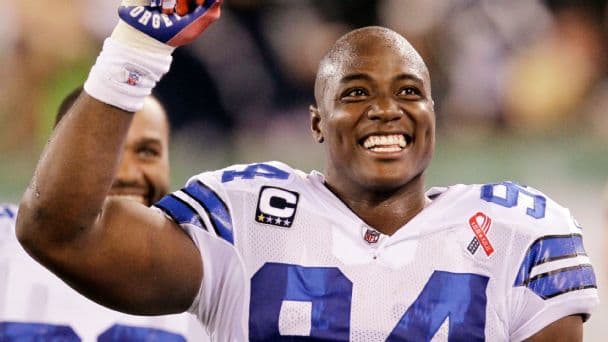
Holding the 11th and 20th overall picks that year, Jerry Jones and the scouting department executed a plan that would become the gold standard for the franchise. With their first selection, they took DeMarcus Ware, a small-school prospect from Troy who would eventually become the franchise's all-time sack leader and a first-ballot Hall of Famer. Nine picks later, they secured Marcus Spears, a standout defensive end from LSU who provided the essential bulk and reliability required for the 3-4 scheme to function.
The success of that draft class proved that having multiple first-round assets can do more than just add talent; it can completely install a new defensive culture if the right players are identified and drafted for specific roles.
The 2026 Assets: Why History is Repeating
As we look ahead, the Dallas Cowboys 2026 NFL Draft presents a nearly identical opportunity. The Cowboys are once again navigating a defensive evolution, this time under the guidance of defensive coordinator Mike Zimmer. Like Parcells before him, Zimmer utilizes defensive principles that demand specialized personnel—specifically players who can handle the physical rigors of a 3-4 front while maintaining the versatility to disrupt modern NFL offenses.
Having two picks in the first round gives the Cowboys the luxury of addressing two pillars of the defense simultaneously. In the modern NFL, where elite edge rushers and interior disruptors command record-breaking salaries, the ability to land two blue-chip prospects on rookie contracts is an invaluable roster-building tool. This surplus of draft capital provides a "reset" opportunity that most contending teams rarely enjoy, allowing Dallas to potentially fix multiple defensive holes in a single night.
Schematic Needs and the Mike Zimmer Factor
The defensive shift is the primary driver behind the 2005 comparisons. Mike Zimmer’s defensive philosophy relies heavily on versatile linebackers and "heavy-handed" defensive ends who can control the line of scrimmage. In 2005, Ware was the perfect fit for the "Elephant" rusher role—a hybrid player who could stand up or put his hand in the dirt. Today, the Cowboys find themselves searching for similar pillars to build around for the next decade.
Key Areas of Focus for 2026:
- Elite Edge Presence: Finding a high-impact pass rusher who can thrive in Zimmer's creative blitz packages.
- Interior Anchor: Securing a defensive lineman with the size and strength to occupy double teams, much like Marcus Spears did for the mid-2000s squads.
- Positional Versatility: Identifying athletes who can transition between traditional defensive end and outside linebacker roles depending on the down and distance.
Final Thoughts on the Dallas Cowboys 2026 NFL Draft
While the names on the draft board will change, the organizational goal remains the same: maximize the value of two top-tier selections to solidify a defensive front. The 2005 draft wasn't just about getting two talented players; it was about getting two starters who understood their specific roles within a complex system. For the Cowboys to replicate that success in 2026, they must prioritize scheme fit and physical profile over pure highlight-reel athleticism.
Owner Jerry Jones has often reflected on the 2005 haul as a benchmark for draft-day success. With the Dallas Cowboys 2026 NFL Draft approaching, the pressure is on the front office to identify the next generation of defensive anchors. If they can land players with even a fraction of the impact DeMarcus Ware and Marcus Spears had, the 2026 offseason could mark the beginning of a dominant new era for the Dallas defense.
Sources & Original Reporting