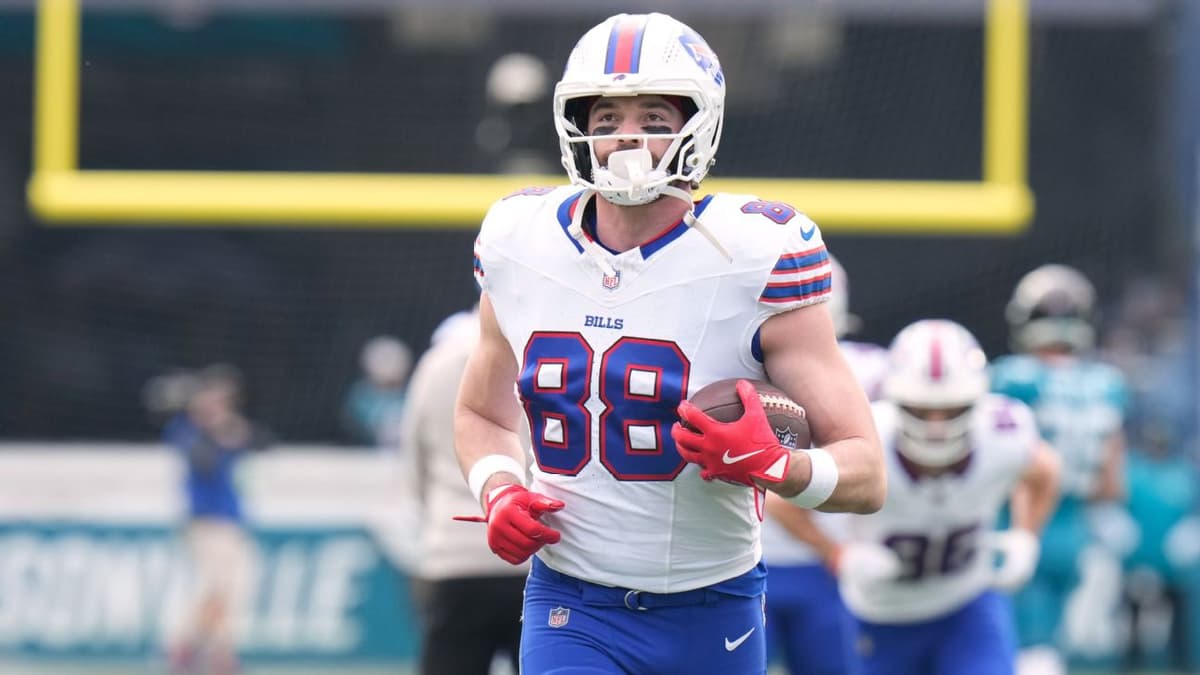
The Buffalo Bills have taken a significant step toward stabilizing their future offensive unit. On Tuesday, reports surfaced that the team reached an agreement with veteran tight end Dawson Knox on a new three-year contract. According to ESPN’s Jeremy Fowler, the move is a strategic play by the Bills front office to ensure Knox remains on the roster through the 2026 season while simultaneously navigating a challenging salary cap environment.
Securing a Key Piece of the Bills Offense
The Dawson Knox Buffalo Bills contract extension comes at a pivotal time for the franchise. As Buffalo continues to build around superstar quarterback Josh Allen, maintaining continuity in the passing game has become a top priority. Knox, who has been a mainstay in the Bills' lineup since being drafted in 2019, provides a reliable veteran presence that the coaching staff highly values.
By locking Knox in for another three years, the Bills are ensuring that one of Allen’s most trusted targets remains in the fold. While the specific financial breakdown of the deal has not been fully disclosed, the primary objective of the extension was to address the 2026 roster and provide the team with more flexibility during the upcoming free agency periods.
Navigating the Salary Cap Crunch
It is no secret that the Buffalo Bills have been operating under tight financial constraints. General Manager Brandon Beane has frequently discussed the "salary cap gymnastics" required to keep a championship-caliber roster together. The decision to extend Knox is a direct response to these pressures.
Prior to this agreement, Knox’s cap hit was a significant factor in the team's long-term planning. By restructuring his presence on the books through a new three-year deal, the Bills can spread out signing bonuses and lower his immediate impact on the cap. This maneuver allows the front office to potentially retain other key free agents or pursue defensive reinforcements as they prepare for another deep postseason run.
The Strategic Importance of the Two-Tight End Set
The extension of Dawson Knox also signals Buffalo's commitment to their offensive identity. Under offensive coordinator Joe Brady, the Bills have increasingly utilized "12 personnel"—a formation featuring two tight ends. This strategy became even more prominent following the emergence of Dalton Kincaid, the team’s 2023 first-round pick.
While some analysts wondered if Kincaid’s rise would make Knox expendable, the Bills have doubled down on the duo. Knox’s ability to serve as both a physical blocker and a red-zone threat complements Kincaid’s more receiver-centric skill set. Together, they create a versatile mismatch for opposing defenses, allowing Buffalo to switch between power running plays and spread passing attacks without changing personnel.
Dawson Knox’s Impact on the Buffalo Offense
Since joining the Bills, Knox has developed into one of the most productive tight ends in franchise history. His career highlights include:
- A Pro Bowl selection in 2022.
- Consistent production as a red-zone target for Josh Allen.
- A reputation as one of the best blocking tight ends in the AFC East.
- Leadership in the locker room, serving as a bridge between the coaching staff and the younger offensive players.
In a league where reliable tight end play is hard to find, the Bills clearly felt that keeping a proven commodity like Knox was a safer and more effective path than searching for a replacement in the draft or a thinning free-agent market.
Looking Ahead to the 2025 and 2026 Seasons
With the Dawson Knox Buffalo Bills contract now finalized, the team can turn its attention to other roster needs. The stability at the tight end position allows the scouting department to focus on bolstering the offensive line and the secondary. For Knox, the deal represents a vote of confidence from a franchise that he has helped lead to multiple AFC East titles.
As the Bills prepare for the upcoming season, the chemistry between Allen and Knox will remain a focal point. With Knox secured through 2026, the Bills Mafia can rest easy knowing that one of their favorite playmakers isn't going anywhere anytime soon. This move is a clear indication that Buffalo remains in "win-now" mode, prioritizing veteran talent and roster stability to keep their Super Bowl window open.
Sources & Original Reporting