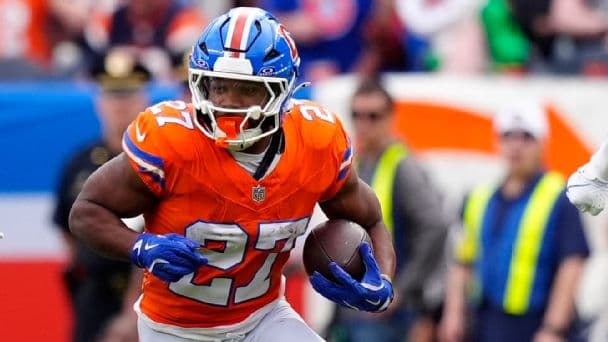
In the modern NFL, the pass-heavy attack often dominates the headlines, but for Denver Broncos head coach Sean Payton, the path to a postseason return is paved on the ground. As the team enters a pivotal transition period, it has become increasingly clear that fixing the Denver Broncos run game is the primary objective for the front office and coaching staff alike. Despite flashes of brilliance, the ground attack has lacked the consistency required to truly elevate the offense to elite status.
The Statistical Gap in the Denver Broncos Run Game
On paper, the Denver Broncos should have possessed one of the most feared rushing attacks in the league over the last two seasons. Analytics and film study consistently ranked the Denver offensive line as one of the top ten units in the NFL. However, that high-level protection and gap-creation didn't always translate to the box score. The Denver Broncos run game struggled to find a rhythm, often leaving the offense in difficult third-and-long situations.
Coach Sean Payton has been vocal about this discrepancy. While the offensive line provided a solid foundation, the explosive plays and consistent four-to-five-yard gains that define a Payton-led offense were missing. The goal this offseason is to bridge the gap between the talent of the offensive line and the production of the backfield, ensuring that the team can dictate the tempo of the game regardless of the opponent.
Taking the Pressure Off Bo Nix
The development of quarterback Bo Nix remains the central focus of the franchise. As a young signal-caller tasked with navigating the complexities of Payton’s playbook, Nix needs a reliable ground game to keep defenses honest. When the Denver Broncos run game is firing on all cylinders, it opens up the play-action passing game, which is where Nix can truly exploit opposing secondaries.
By prioritizing the rushing attack, the Broncos are effectively investing in their quarterback's longevity and efficiency. A strong run game provides several key benefits for a developing QB:
- Reduced Passing Volume: Nix doesn't have to throw 40+ times a game to keep the team competitive.
- Manageable Down and Distance: Consistent gains on first and second down lead to more manageable third-down conversions.
- Defensive Fatigue: A physical rushing attack wears down opposing pass rushers, giving Nix more time in the pocket late in the game.
Injecting Talent: JK Dobbins and RJ Harvey
To address the lack of impact in the backfield, the Broncos are looking toward fresh faces and proven playmakers. The inclusion of names like JK Dobbins and RJ Harvey in the offseason conversation highlights a desire for a more dynamic and explosive rushing rotation. Dobbins, when healthy, has proven to be one of the most efficient runners in the league, possessing the vision and burst to turn a small crease into a massive gain.
Meanwhile, the addition of a prospect like RJ Harvey suggests a shift toward a more versatile backfield. Harvey brings a level of collegiate production and shiftiness that could complement a power-running scheme. By diversifying the skill sets in the running back room, Sean Payton can better utilize his creative play-calling, using different backs to exploit specific defensive weaknesses.
Sean Payton’s Blueprint for a Balanced Offense
Historically, Sean Payton’s most successful teams in New Orleans were built on the back of a top-tier rushing attack. Whether it was the duo of Mark Ingram and Alvin Kamara or the early years with Pierre Thomas, Payton has always valued a backfield that can contribute both as runners and receivers. The current push to improve the Denver Broncos run game is a return to that successful blueprint.
The coaching staff is expected to spend the coming months refining blocking schemes and identifying the specific traits needed to make the ground game more impactful. This isn't just about running the ball more often; it’s about running it more effectively. Payton is looking for "impact" touches—runs that move the chains, demoralize the defense, and ultimately lead to points on the board.
The Road Ahead in the AFC West
In a division that features high-powered offenses like the Kansas City Chiefs and the Los Angeles Chargers, the Broncos cannot afford to be one-dimensional. A dominant rushing attack serves as the ultimate equalizer, allowing Denver to control the clock and keep opposing superstars on the sideline. As the offseason progresses, all eyes will be on how the Broncos reshape their roster to fulfill Payton's vision of a physical, run-first identity that can compete at the highest level of the AFC.
Sources & Original Reporting