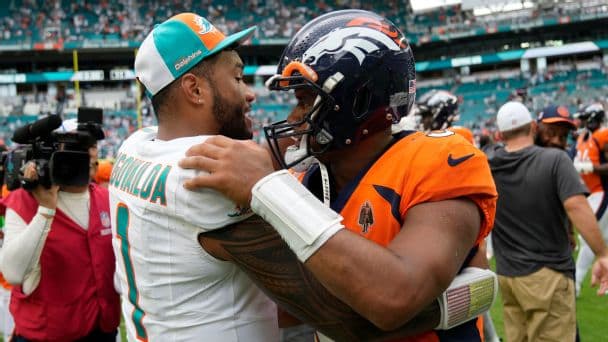
When the Denver Broncos announced they were releasing veteran quarterback Russell Wilson in early 2024, the collective jaw of the NFL world dropped. It wasn’t just the move itself that shocked analysts; it was the staggering $85 million dead money hit the team agreed to swallow over two seasons. At the time, conventional wisdom suggested that such a financial burden would cripple the franchise for years to come. However, as the 2024 season progressed, it became clear that Denver might have actually pioneered one of the most significant NFL salary cap trends in recent memory.
The $85 Million Gamble: Breaking the Sunk Cost Fallacy
For decades, NFL front offices operated under a specific fear: the dead money hit. The idea of paying a player nearly $100 million to play for a different team—or not play at all—was considered a fireable offense for a general manager. But the Broncos, led by head coach Sean Payton and GM George Paton, decided to challenge that stigma. By cutting Russell Wilson, they prioritized roster flexibility and culture over the financial pain of a massive contract mistake.
This move signaled a shift in how teams view "sunk costs." Rather than trying to force a scheme to fit an expensive player who wasn't performing, Denver chose to take the medicine all at once. The result? A team that stayed competitive far sooner than anyone anticipated, proving that a massive dead cap hit isn't necessarily a death sentence if the coaching and drafting are sound.
How Denver’s Turnaround Validated the Strategy
The most surprising element of the Broncos' post-Wilson era has been their immediate competitiveness. While many expected a multi-year rebuild, Denver found themselves in the playoff hunt behind a rejuvenated defense and the development of rookie quarterback Bo Nix. By removing the distraction of Wilson’s contract and presence, the Broncos were able to reset their locker room culture.
This "quick turnaround" has caught the attention of every other front office in the league. It has effectively neutralized the primary argument against cutting high-priced underperformers. If the Broncos could absorb a record-breaking $85 million and still remain a factor in the AFC, other teams are now asking: why can't we do the same?
NFL Salary Cap Trends: Who is Next to Follow Suit?
The success of Denver’s aggressive cap management has put several other franchises under the microscope. Teams with struggling quarterbacks on massive deals are no longer viewing those contracts as inescapable. Analysts are now looking at several high-profile situations where teams might follow the Broncos' lead:
- Deshaun Watson (Cleveland Browns): With a fully guaranteed contract and mounting struggles, the Browns face a financial hurdle even larger than Denver's. However, the Broncos' precedent suggests that moving on might be better than staying in a broken marriage.
- Tua Tagovailoa (Miami Dolphins): While Tua has shown flashes of brilliance, his injury history and the Dolphins' fluctuating performance have led to speculation about how Miami will manage his long-term financial impact.
- Kyler Murray (Arizona Cardinals): Murray’s contract has long been a point of contention, and the Cardinals are watching the Denver model closely as they evaluate their long-term future.
- Kirk Cousins (Atlanta Falcons): Despite being a recent signing, the presence of rookie Michael Penix Jr. creates a scenario where Atlanta may eventually need to navigate a significant dead money hit to transition to their younger passer.
The New Era of Roster Flexibility
What we are witnessing is the evolution of NFL salary cap trends from a rigid, fear-based system to a more fluid and pragmatic approach. The Broncos proved that the cap is a tool to be manipulated, not a cage. By choosing to suffer in the short term, they cleared the path for long-term sustainability and found their way back to winning football faster than the critics thought possible.
As the salary cap continues to rise year over year, the sting of dead money hits becomes slightly more manageable. We should expect more teams to adopt this "rip the Band-Aid off" philosophy. The Denver Broncos didn't just move on from a quarterback; they provided a masterclass in modern NFL accounting that will likely change how rosters are constructed for the next decade.
Sources & Original Reporting