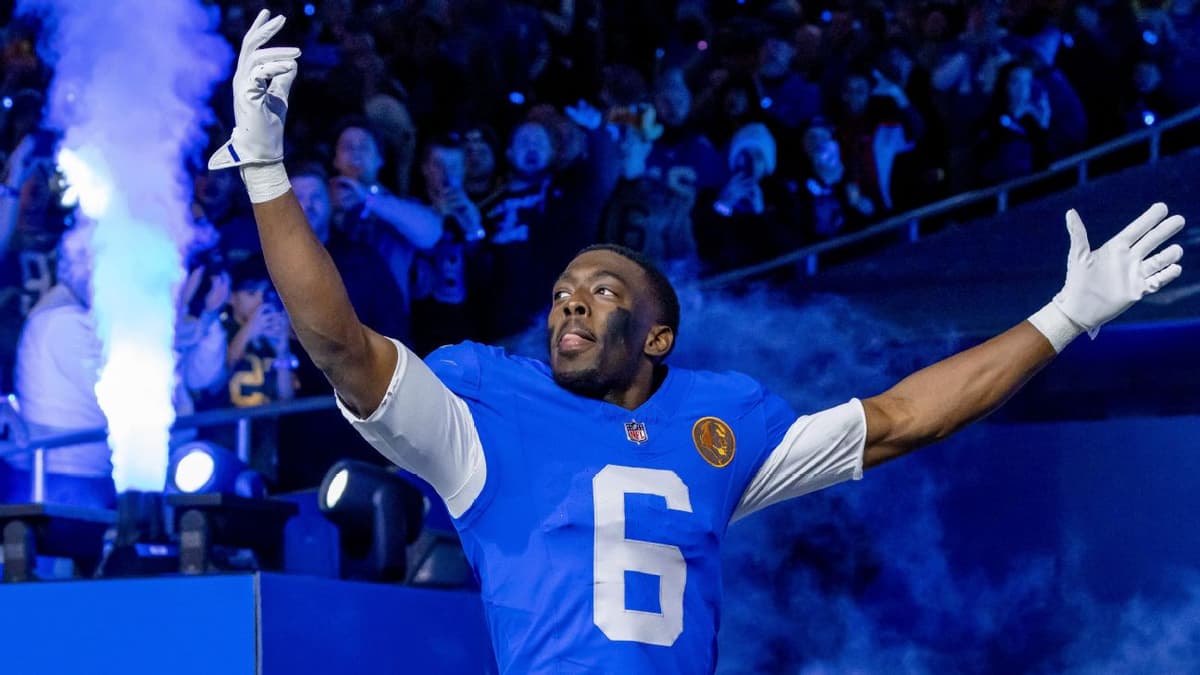
The Detroit Lions organization and its fanbase were rocked this week by significant legal developments involving one of their key defensive players. Terrion Arnold, the Lions' standout cornerback, appeared in a Tampa, Florida, courtroom on Thursday to face severe felony allegations. The legal proceedings have cast a shadow over the young athlete's career as he faces charges that carry substantial weight under Florida law.
During the hearing, a judge ordered that Arnold be held without bond following his arrest on felony charges of armed robbery and kidnapping. The decision to deny bond, even temporarily, underscores the gravity of the situation and the concerns raised by the prosecution regarding the nature of the alleged offenses. Arnold will remain in custody until at least early next week as the legal process begins to unfold in the Florida court system.
The Thursday Hearing in Tampa
Terrion Arnold appeared before a judge on Thursday morning for his initial hearing following the arrest. The primary focus of this appearance was to determine the conditions of his release; however, the court decided that Arnold would remain detained for the time being. Prosecutors have signaled their intent to keep the NFL player behind bars as the case moves toward trial, citing the violent nature of the charges involved.
The judge's order to hold Arnold without bond is a standard but serious measure in cases involving high-level felonies like armed robbery and kidnapping. In Florida, these charges are treated with extreme severity, often leading to the denial of bail when the prosecution argues that the defendant poses a potential risk or when the evidence presented at an early stage is deemed significant. Arnold’s legal team will now have to prepare for a more substantive argument regarding his detention in the coming days.
Understanding the Charges: Armed Robbery and Kidnapping
The specific charges leveled against the Detroit Lions cornerback are among the most serious in the criminal code. Armed robbery involves the taking of property from another person through the use of force or fear while carrying a weapon. Under Florida statutes, this is a first-degree felony that can result in life imprisonment depending on the specific circumstances of the case and the type of weapon involved.
Similarly, the kidnapping charge adds another layer of complexity and severity to the legal battle. In a legal context, kidnapping generally involves the unauthorized confinement, abduction, or imprisonment of another person against their will with the intent to facilitate another felony—in this case, the alleged robbery. The combination of these two charges suggests a high-stakes investigation by Tampa authorities, though specific details regarding the incident itself remain part of the ongoing legal discovery.
The Path Forward: Monday’s Pretrial Detention Hearing
The next critical step for Terrion Arnold is a pretrial detention hearing, which has been officially scheduled for Monday morning. During this hearing, the court will hear more detailed arguments from both the state prosecutors and Arnold’s defense attorneys. The prosecution is expected to argue that Arnold should remain jailed throughout the duration of the trial process, a move they believe is justified by the felony charges of armed robbery and kidnapping.
Monday's hearing will likely involve a more thorough examination of the evidence and the circumstances surrounding the arrest. The defense will have the opportunity to argue for Arnold's release on bond, potentially proposing conditions such as house arrest, GPS monitoring, or a significant financial surety. The outcome of this hearing will dictate Arnold's immediate future and his availability—or lack thereof—to his team and family as the case proceeds.
Impact on the Detroit Lions and NFL Status
For the Detroit Lions, the news is a significant blow to their defensive secondary. Arnold, a high-profile draft pick out of Alabama, was expected to be a cornerstone of the team’s defense for years to come. While the legal process is just beginning, the severity of being held without bond means the team will have to navigate the immediate future without his presence on the field or in the facility.
Beyond the courtroom, Arnold also faces potential scrutiny under the NFL’s Personal Conduct Policy. The league typically monitors such cases closely and has the authority to place players on the Commissioner’s Exempt List when they are charged with a crime of violence. This status would allow Arnold to be paid but would prevent him from practicing or playing with the team while the legal matter is resolved. As of now, the focus remains on the judicial proceedings in Tampa and the upcoming Monday hearing that will decide the Detroit Lions cornerback's immediate fate.
Sources & Original Reporting