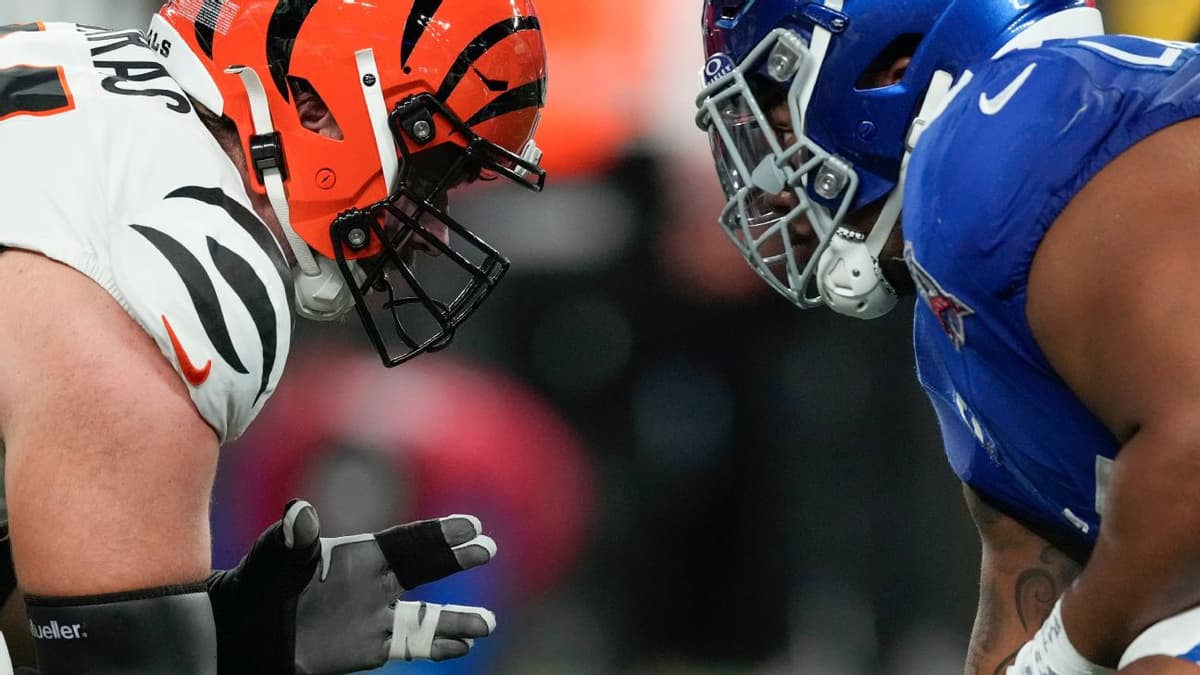
The NFL landscape shifted significantly this week following the blockbuster Dexter Lawrence trade that sent the All-Pro defensive tackle from the New York Giants to the Cincinnati Bengals. In a move that few saw coming at the start of the offseason, one of the league's most dominant interior defenders is changing jerseys, signaling a massive shift in philosophy for both franchises involved.
The deal, which had been simmering behind the scenes for weeks, represents a classic NFL standoff where a player's perceived value and a team's long-term salary cap health finally reached a breaking point. For the Giants, losing a cornerstone of their defense is a bitter pill to swallow, but for the Bengals, it is a clear declaration of their intent to remain at the top of the AFC hierarchy.
The Standoff: Why the Dexter Lawrence Trade Became Inevitable
The genesis of the Dexter Lawrence trade lies in a breakdown of contract negotiations. According to reports, Dexter Lawrence II informed the Giants front office early in the process that he was seeking a new deal that reflected his status as a premier defensive force in the NFL. Lawrence, who has been the anchor of the New York defense for years, made it clear: he wanted a contract extension that aligned with the skyrocketing market for elite defensive tackles, or he wanted to be moved to a team willing to pay him.
Initially, the New York Giants and General Manager Joe Schoen were reluctant to engage in trade talks. Lawrence was not just a statistical leader; he was a locker room captain and the focal point of their defensive scheme. The Giants' initial stance was firm—they did not want to let their best defensive player walk out the door. However, as the impasse continued and Lawrence’s camp remained steadfast in their demands, the reality of the situation began to set in for the New York front office.
Cincinnati Steps Up: Meeting the Giants' Asking Price
While several teams were rumored to be interested in Lawrence, the Cincinnati Bengals emerged as the most aggressive suitor. The Bengals, led by Director of Player Personnel Duke Tobin, recognized a unique opportunity to bolster a defense that has occasionally struggled to provide consistent interior pressure. Adding a player of Lawrence’s caliber alongside their existing core was seen as the missing piece to a championship puzzle.
The Giants' internal mantra throughout the process was that they wouldn't move Lawrence unless "the price was right." For a long time, that price seemed too high for most NFL teams to consider. However, the Bengals eventually met the Giants' steep valuation, offering a package that provided New York with the draft capital and flexibility needed to jumpstart their next phase of roster building. Once the Bengals put their final offer on the table, the Giants' resistance finally crumbled, leading to the improbable deal.
The Anatomy of the Dexter Lawrence Trade Negotiation
Inside the negotiation room, the leverage shifted multiple times. The Giants held the player's rights, but Lawrence held the leverage of a potential holdout or a disgruntled presence in the building. By making his desire for a trade public to the organization, Lawrence forced the Giants to weigh the benefits of keeping an unhappy star versus the benefits of a massive trade haul.
For the Bengals, the trade is a calculated risk. They are not only giving up significant assets but are also committing to the financial demands that Lawrence originally presented to the Giants. It is a "win-now" move designed to maximize the championship window of Joe Burrow and the Cincinnati offense. In the AFC North, where physical interior play is a requirement for survival, Lawrence provides the Bengals with a defensive centerpiece capable of disrupting the league's best rushing attacks and collapsing the pocket from the inside.
What This Means for the Future of Both Franchises
The fallout of the Dexter Lawrence trade will be felt for years to come. In New York, the Giants now face the daunting task of replacing a player who was virtually unblockable at times. The move signals a potential pivot toward a more comprehensive rebuild, as the front office prioritizes future assets over current veteran talent. Fans in New York are left wondering how the defense will function without the man known as "Sexy Dexy" clogging the middle.
Conversely, in Cincinnati, the mood is one of pure excitement. The Bengals have historically been conservative in the trade market, but this move represents a departure from that reputation. By landing Lawrence, they have sent a message to the rest of the league that they are willing to do whatever it takes to secure a Super Bowl title. As Lawrence prepares to join his new teammates, the rest of the AFC North must now figure out how to account for one of the most physically imposing players in the game today.
Sources & Original Reporting