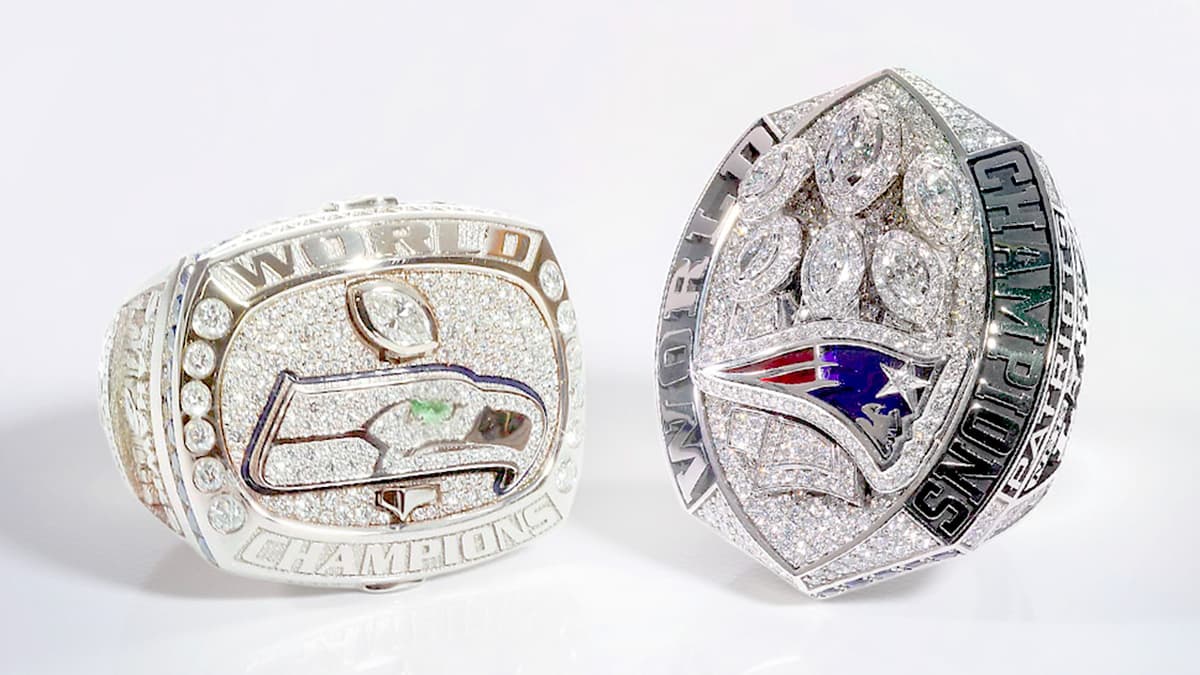
In the world of professional sports, few prizes carry as much weight, history, and pure craftsmanship as Super Bowl championship rings. As the NFL prepares for the milestone Super Bowl LX, it is the perfect time to look back at the evolution of these iconic pieces of jewelry. Since the Green Bay Packers secured the first title in 1967, these rings have transformed from modest tokens of victory into multi-million dollar masterpieces encrusted with hundreds of diamonds and deep team symbolism.
The Early Era: Modest Gold and Single Diamonds
The tradition of Super Bowl championship rings began with Vince Lombardi’s Green Bay Packers. Compared to the massive rings of today, the early designs were understated, yet they set the precedent for every champion to follow. Throughout the late 1960s and 1970s, jewelry became the ultimate status symbol for the league's growing list of legends.
The First Ring: Green Bay Packers
The very first ring, designed for Super Bowl I, featured a single one-carat diamond set in a simple gold band. It was a humble beginning for a tradition that would eventually see rings grow to the size of a small fist. At the time, the focus was on the achievement itself rather than the opulence of the jewelry.
The Perfect Season: Miami Dolphins
The 1972 Miami Dolphins ring represents the only perfect season in NFL history. This piece remains one of the most significant pieces of sports memorabilia ever created. As the Pittsburgh Steelers dominated the 1970s, their collection of rings began to showcase the growing trend of adding a diamond for every championship won, a tradition that continues to define the aesthetics of a dynasty.
Bizarre Tales: From Studio 54 to the Pacific Ocean
While these rings are incredibly valuable, they have also been the subject of some of the most unusual stories in NFL history. Because players often wear them as daily accessories or symbols of pride, several rings have gone on unexpected adventures far from the gridiron.
Lost at Sea and in the Club
One ring was famously lost while a player was surfing in Hawaii, disappearing into the surf only to become part of local legend. Another found its way to the dance floor of the legendary Studio 54 during the height of the disco era, nearly lost amidst the glitz and glamour of the New York nightlife. Over the decades, Super Bowl championship rings have been found in the back of New York City taxis and discovered in hotel nightstands months after a victory celebration.
The Modern Era: Pushing the Limits of Jewelry Design
In the modern NFL, the design of Super Bowl championship rings has become a competition in its own right. Teams now collaborate with master jewelers to ensure their ring is bigger, brighter, and more symbolic than the year before.
The New England Patriots Dynasty
The New England Patriots pushed the boundaries of what is possible in jewelry design during their two-decade run of dominance. Their rings from the later dynasty years featured hundreds of diamonds, often using the stone count to represent specific team achievements, such as the number of division titles or the point differential of a historic comeback. By the time they reached their sixth title, the rings had become massive, diamond-heavy artifacts.
Innovation with the Buccaneers and Rams
The Tampa Bay Buccaneers introduced a ring with a removable top, revealing a miniature replica of their home stadium inside. The Los Angeles Rams followed this trend with their Super Bowl LVI ring, which featured a design that mirrored the architecture of SoFi Stadium. These items are now architectural feats as much as they are jewelry, proving that the modern era is about storytelling through every facet of the gem.
Symbolism and Team History in Every Stone
Every element of a modern championship ring is intentional. When the Philadelphia Eagles won Super Bowl LII, their ring featured 127 diamonds on the bezel, a number representing the sum of the jersey numbers of the three players who handled the ball on the legendary "Philly Special" play. Similarly, the New Orleans Saints and Baltimore Ravens have used their ring designs to pay homage to their respective cities' culture and resilience.
- San Francisco 49ers: Their rings from the 1980s are classic examples of the "cluster" design that dominated the era.
- Dallas Cowboys: Known as "America's Team," their rings often feature the iconic lone star in brilliant blue stones.
- Denver Broncos: Their Super Bowl 50 ring used orange sapphires to represent the team's primary color.
- Seattle Seahawks: Their design incorporated the unique "Seahawk" logo with a modern, sleek aesthetic.
- Washington Commanders: Their historic rings from the 80s and 90s remain some of the most sought-after by collectors.
Looking Forward to Super Bowl LX
As we approach Super Bowl LX, the anticipation for the next design is already building. The craftsmanship continues to evolve, with jewelry houses like Jostens and Tiffany & Co. competing to create the most innovative designs. For the players of the Chicago Bears, New York Giants, and Las Vegas Raiders, the ring is more than just jewelry; it is a physical manifestation of a lifetime of hard work and sacrifice. As long as the Super Bowl remains the pinnacle of American sports, these rings will remain the most coveted hardware in the game, telling the story of the NFL one diamond at a time.
Sources & Original Reporting