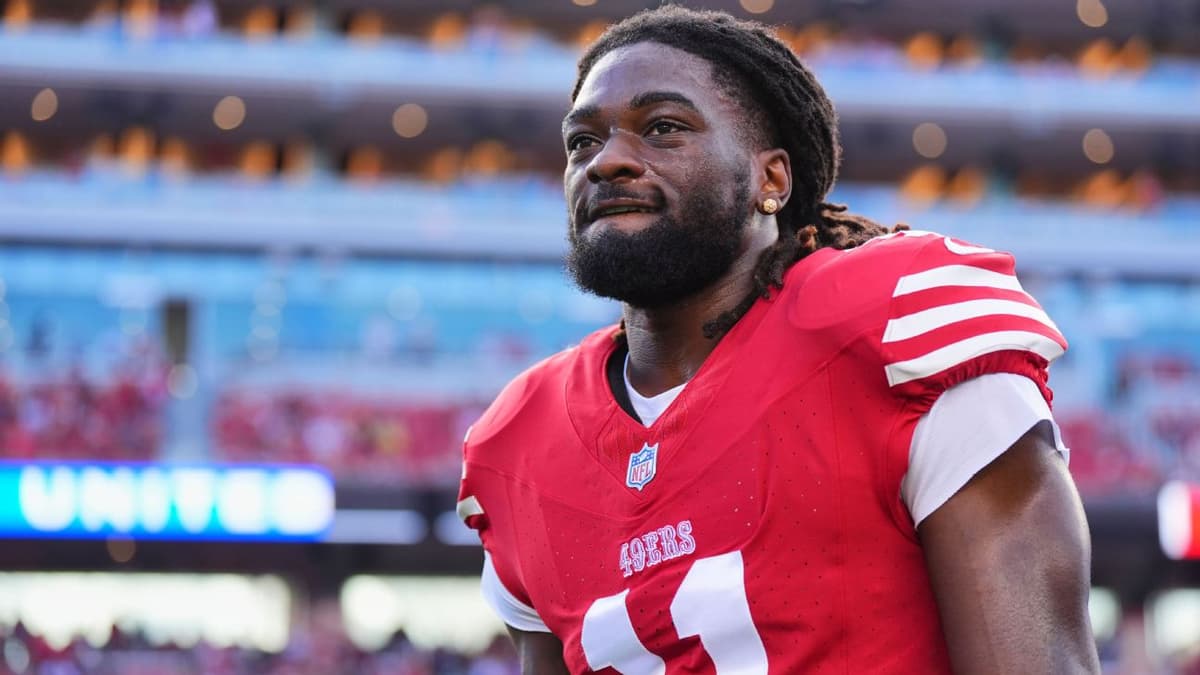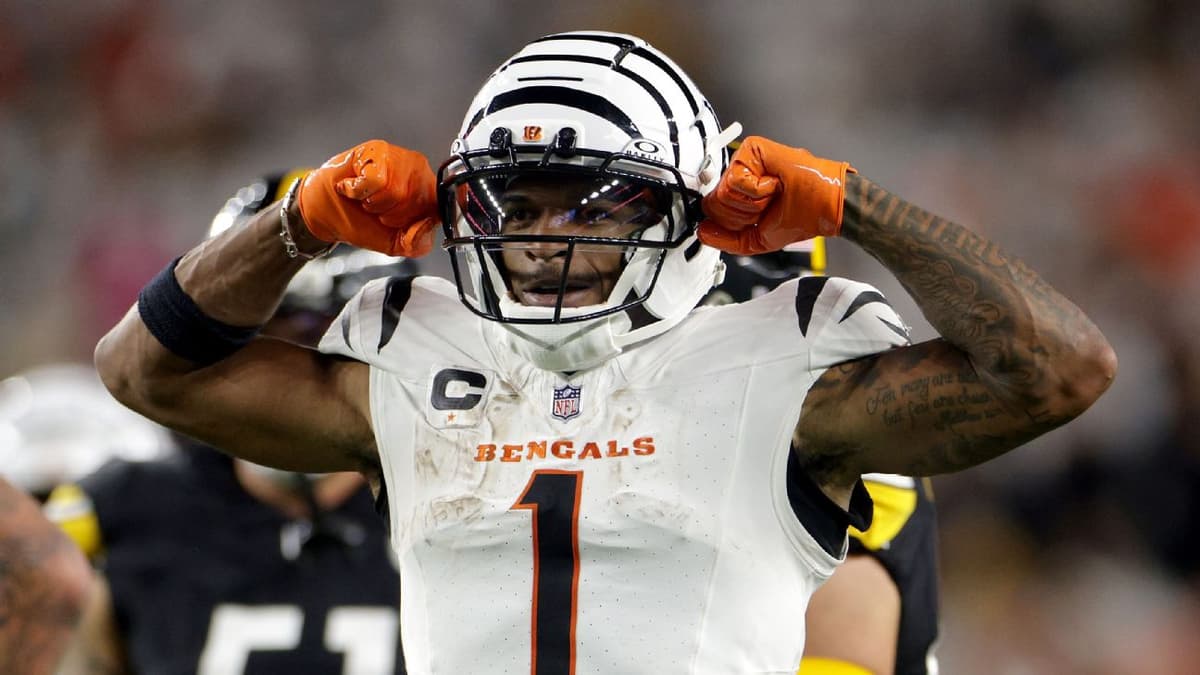
The 2026 NFL season is rapidly approaching, and for fantasy managers, the preparation phase has officially entered high gear. As the landscape of the league continues to shift toward explosive passing attacks, securing elite talent at the perimeter has never been more critical. To help managers navigate the complexities of the upcoming draft season, a premier panel of analysts has released the definitive 2026 Fantasy Football Wide Receiver Rankings.
This year’s consensus rankings represent a collaboration between some of the most respected minds in the industry. The panel includes Matt Bowen, Mike Clay, Tristan H. Cockcroft, Daniel Dopp, Eric Karabell, Liz Loza, Eric Moody, and Field Yates. By combining film study, statistical modeling, and volume projections, these experts provide a comprehensive roadmap for drafting the most volatile and rewarding position in fantasy sports.
The Importance of the 2026 Fantasy Football Wide Receiver Rankings
In modern fantasy formats, particularly Point Per Reception (PPR) and Half-PPR leagues, wide receivers often dictate the ceiling of a championship roster. The 2026 Fantasy Football Wide Receiver Rankings highlight a significant depth in the position, but also underscore a widening gap between the elite tier and the secondary options. With high-volume targets becoming more concentrated among a select group of superstars, understanding where the value drops off is essential for any successful draft strategy.
The expert panel emphasizes that while the top of the board features familiar names who have dominated the league over the last few seasons, the 2026 season introduces a new wave of third-year and fourth-year players who are poised for massive statistical leaps. Identifying these breakout candidates before they become household names is the primary goal of this year's draft guide.
Expert Methodology and Tiered Grading
What sets these rankings apart is the diverse methodology employed by the contributors. Mike Clay utilizes his industry-leading projection models to calculate expected targets and touchdowns, while Matt Bowen brings a former player’s perspective to evaluate how specific defensive schemes might impact a receiver's production. Field Yates and Daniel Dopp provide insights into team dynamics and coaching changes that could alter a player's role in the offense.
The rankings are structured to help managers apply various drafting philosophies, including:
- Hero-WR Strategy: Drafting a consensus top-five receiver in the first round and waiting on depth.
- Zero-WR Strategy: Identifying high-upside targets in the middle rounds to compensate for early-round investments in running backs or quarterbacks.
- Value-Based Drafting: Utilizing the experts' composite scores to find players who are undervalued by the general public.
Key Factors Influencing the 2026 Landscape
As fantasy managers dive into the 2026 Fantasy Football Wide Receiver Rankings, several external factors are identified as major influence points for the upcoming season. Quarterback mobility and the rise of two-high safety looks across the NFL have forced offensive coordinators to get more creative with receiver usage, often moving primary targets into the slot to create mismatches.
The rankings also take into account the 2026 strength of schedule and offseason personnel moves. Liz Loza and Eric Moody have specifically noted how rookie additions and offensive line improvements can directly correlate to increased efficiency for veteran wideouts. By looking at the totality of the environment, these rankings move beyond simple stat-padding to provide a holistic view of a player's fantasy potential.
Preparing for Your Draft
Whether you are competing in a casual home league or a high-stakes competitive circuit, these rankings serve as the foundation for your draft board. The consensus reached by Karabell, Cockcroft, and the rest of the team ensures that outliers are minimized, giving you a stable projection of what to expect when the season kicks off. As training camps begin and depth charts solidify, these rankings will continue to evolve, but the current release provides the essential baseline for all early-summer mock drafts.
Sources & Original Reporting