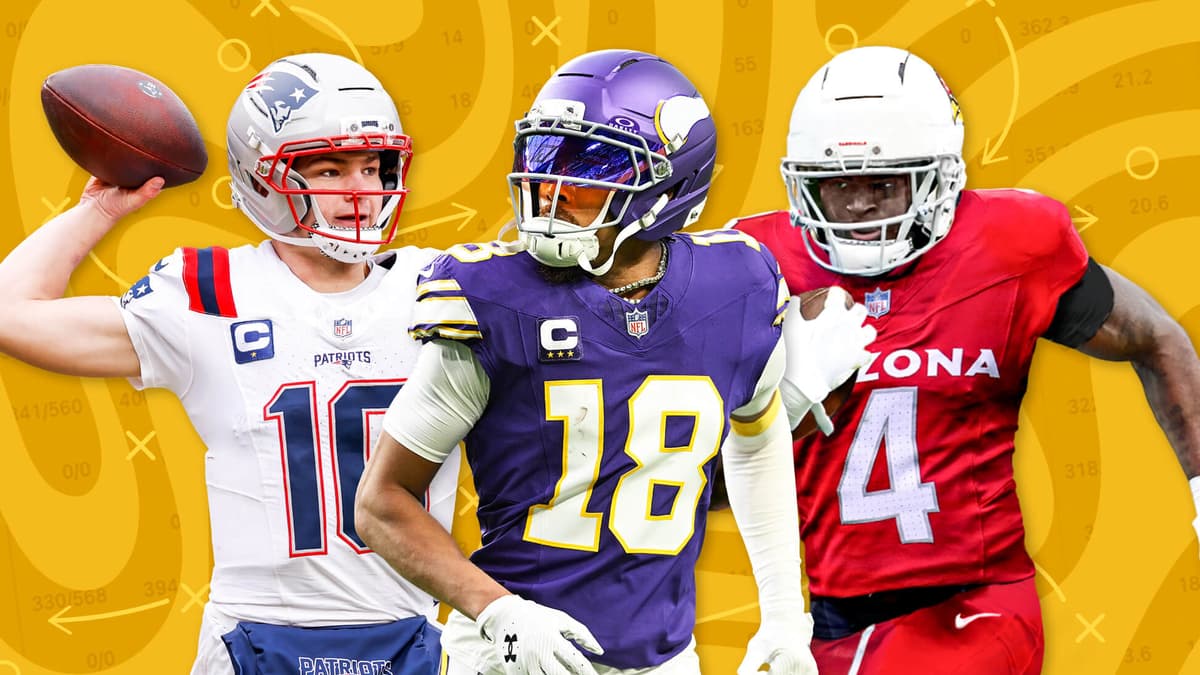
The dust has barely settled on the 2026 NFL Draft, but for fantasy managers, the real work is just beginning. As depth charts crystallize and rookie landing spots are finalized, the landscape of fantasy football has shifted overnight. To get a pulse on the evolving market, 10 ESPN fantasy analysts recently completed their first 2026 fantasy football mock draft of the post-draft season. The results were telling, signaling a potential departure from the 'Zero RB' trends of recent years and a return to a more traditional, heavy-handed approach at the running back position.
The Resurgence of the RB-RB Strategy
For several seasons, the prevailing wisdom in high-stakes fantasy circles has leaned toward securing elite wide receivers early. However, this latest 2026 fantasy football mock draft suggests that the pendulum is swinging back. According to the draft results, a significant number of analysts prioritized the running back position with their first two selections. This 'RB-RB' start is a classic strategy that focuses on securing high-volume workhorses before the talent pool thins out.
The logic behind this shift is rooted in scarcity. As the NFL continues to move toward 'running back by committee' (RBBC) approaches, the number of true three-down backs has dwindled. By locking in two reliable starters early, managers are betting on the stability of guaranteed touches in an era where consistent volume is increasingly difficult to find. Analysts in the mock draft noted that while wide receiver depth remains robust into the middle rounds, the cliff for productive running backs is much steeper.
Integrating the 2026 Rookie Class
One of the most anticipated aspects of this mock draft was seeing where the 2026 rookie class would land. With the NFL Draft now in the rearview mirror, draft capital and team fit are no longer speculative. The analysts had to navigate the 'rookie fever' that often inflates the price of incoming players. In this exercise, rookies were integrated throughout the early and middle rounds, reflecting a class that is expected to make an immediate impact.
The placement of these rookies often dictated how the rest of the roster-building process unfolded. For those who missed out on the top-tier veteran running backs, high-upside rookies became the primary targets in rounds three and four. The draft showed a clear divide between managers who prefer the floor of established veterans and those willing to gamble on the unknown ceiling of 1st-round NFL draft picks.
Impact on Wide Receiver Value
Because running backs were drafted with such high frequency in the opening rounds, the wide receiver position saw a surprising slide in some segments of the draft. While the 'elite' tier of receivers still commanded first-round prices, the second and third tiers of pass-catchers became available at a significant discount compared to previous years. This created a 'value pocket' in the third and fourth rounds, where managers who went RB-RB were able to snag high-end WR1 and WR2 talent.
This dynamic highlights the importance of remaining flexible during a draft. If a league follows the trend seen in this 2026 fantasy football mock draft, managers who are willing to pivot away from the RB run can build a formidable receiving corps. However, the risk remains that the drop-off at running back might be too severe to overcome later in the draft.
Analyzing Draft Board Trends among Analysts
The mock draft featured 10 different perspectives, providing a wide range of team-building philosophies. Some key takeaways from the board included:
- Early Quarterback Movement: Despite the focus on RBs, the top-tier dual-threat quarterbacks still found their way into the early rounds, as their rushing floors remain too valuable to ignore.
- Tight End Volatility: The 'elite' tight end tier remains small, leading to a gap in the middle rounds where many analysts chose to wait on the position entirely.
- Flex Flexibility: Analysts who went heavy on RBs early often used their Flex spots for high-ceiling rookies, hoping to capitalize on late-season breakouts.
Final Thoughts for Early Drafters
This early look at the fantasy landscape serves as a crucial blueprint for the months ahead. While the RB-RB strategy was the dominant theme of this particular mock, the real lesson is the importance of volume and scarcity. As you prepare for your own drafts, keep a close eye on how your league-mates value the running back position. If the trend from this 2026 fantasy football mock draft holds, you may need to be aggressive early to secure your backfield, or be prepared to find your value in a deep and talented wide receiver pool.
Sources & Original Reporting