In the high-stakes world of professional football, the most powerful person in the building isn't the quarterback, the star linebacker, or even the head coach—it is the person signing the checks. The influence of NFL owners extends far beyond the luxury suites and quarterly financial meetings, often reaching directly into the draft room and the daily operations of the coaching staff. While some owners prefer a hands-off approach, delegating all football decisions to their general managers, a growing trend of hands-on ownership is reshaping the league. This level of involvement can be the catalyst for a Super Bowl run or the primary reason for a decade of organizational dysfunction.
The Gold Standard: How Jeffrey Lurie and Clark Hunt Build Winners
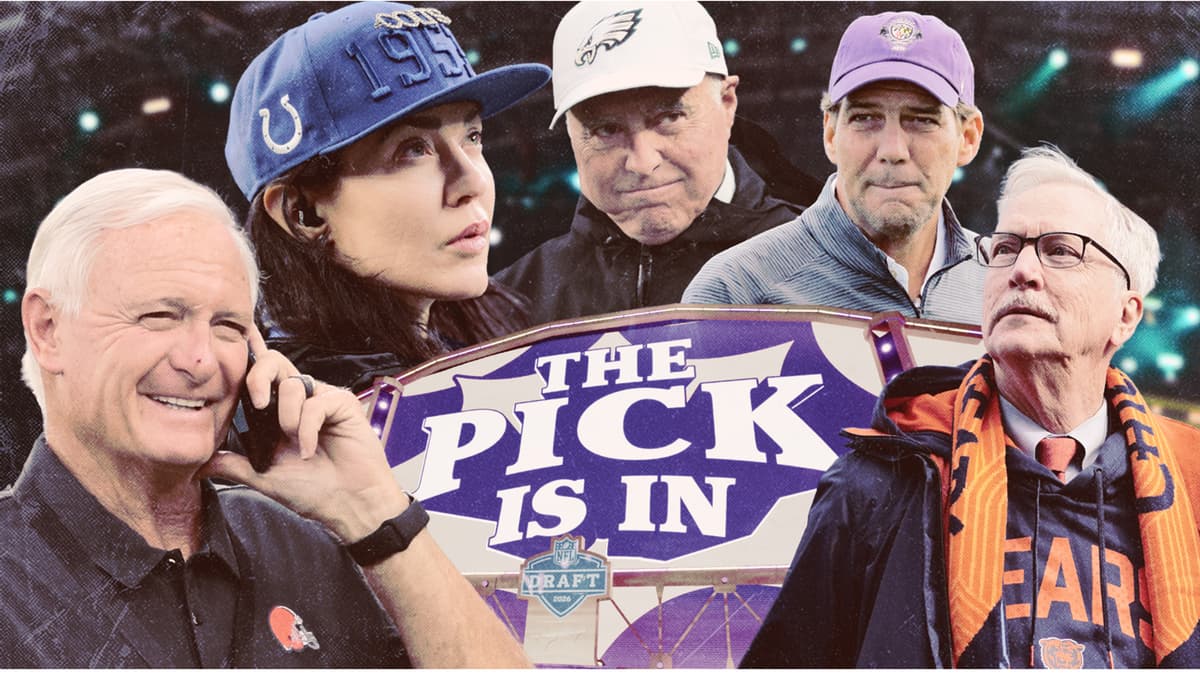
When discussing successful NFL owners, Jeffrey Lurie of the Philadelphia Eagles and Clark Hunt of the Kansas City Chiefs are frequently cited as the gold standard for productive involvement. Lurie, who purchased the Eagles in 1994, has long been known for his analytical approach and his willingness to challenge his front office. His hands-on style was instrumental in the team's pursuit of franchise quarterbacks, from the bold trade-up for Carson Wentz to the eventual pivot to Jalen Hurts. Lurie’s ability to foster an environment of innovation has kept the Eagles as perennial contenders in the NFC, proving that an owner who asks the right questions can drive a team toward excellence.
Similarly, Clark Hunt has overseen a golden era for the Kansas City Chiefs. While Hunt provides the resources and the stability necessary for a long-term winner, his involvement in the pivotal hiring of Andy Reid and the subsequent support of the front office's move for Patrick Mahomes has yielded three Super Bowl titles in five years. These owners demonstrate that being "hands-on" doesn't have to mean micromanaging every play call; rather, it means setting a clear vision, demanding accountability, and ensuring the right personnel are in place to execute the franchise's mission.
The Cost of Intervention: The Jimmy Haslam and Cleveland Browns Experience
On the opposite end of the spectrum, the Cleveland Browns under Jimmy Haslam serve as a cautionary tale of how owner-driven decisions can backfire. Haslam’s tenure has been marked by frequent turnover in the coaching ranks and front office, creating a sense of instability that has plagued the franchise for years. Most notably, the blockbuster trade and record-breaking, fully guaranteed contract for Deshaun Watson is widely viewed as an owner-driven move that bypassed traditional scouting and evaluation processes.
This level of intervention can often lead to long-term salary cap issues and roster stagnation. When an owner overrides the expertise of their football operations staff, it creates a ripple effect throughout the organization. In Cleveland, the results have been mixed at best, with the team struggling to find the consistent winning culture that Lurie and Hunt have established in their respective cities.
- Frequent Turnover: High-involvement owners often have shorter patience for coaching transitions, leading to a lack of continuity.
- Financial Risk: Owner-mandated contracts can disrupt a team's long-term financial health and flexibility.
- Culture Clash: When owners override General Managers, it can create a rift within the organizational hierarchy and diminish the authority of the front office.
The Jerry Jones Paradigm: Owner, President, and General Manager
No discussion of hands-on NFL owners is complete without mentioning Jerry Jones. Since purchasing the Dallas Cowboys in 1989, Jones has functioned as the team's primary spokesperson, President, and General Manager. This unique structure ensures that the owner's fingerprints are on every single roster move, from first-round draft picks to practice squad additions. While this approach led to a legendary dynasty in the 1990s, the Cowboys have struggled to replicate that postseason success in the modern salary-cap era. Jones represents the ultimate "hands-on" owner, where the brand of the team is inextricably linked to the personality and decisions of the man at the top.
The Evolving Landscape of NFL Team Ownership
As franchise valuations soar into the billions, the profile of the typical owner is changing. Newcomers like Josh Harris of the Washington Commanders are bringing private equity mentalities to the league, emphasizing data-driven decision-making while attempting to clean up the reputations of previous regimes. Meanwhile, legacy families like the McCaskeys in Chicago continue to navigate the pressure of modernizing historic franchises. The Chicago Bears have recently seen more direct involvement from ownership in overhauling their front office structure, a move necessitated by years of underperformance.
The Psychological Impact on the Front Office
It is important to consider how an owner's involvement affects the people hired to run the team. A General Manager who feels their owner might override a draft pick may be less likely to take necessary risks. Conversely, an owner who provides a "safety net" and encourages aggressive moves can empower a front office to build a championship roster. The balance is delicate, and the most successful franchises are those where the owner and the front office are in perfect lockstep.
Conclusion: Finding the Winning Balance
Ultimately, the success of NFL team ownership hinges on the delicate balance of providing resources without creating unnecessary interference. Whether it is the Philadelphia Eagles finding their next star or the Cleveland Browns attempting to find stability, the owner's hand will always be felt. The best owners in the league know when to push for a bold move and, more importantly, when to trust the experts they have hired to run the show. As the NFL continues to grow, the ability of an owner to manage this balance will remain the most significant factor in a team's quest for the Lombardi Trophy.
Sources & Original Reporting