The Jacksonville Jaguars entered the NFL Draft with a clear mission: to provide Trevor Lawrence with more versatile weapons and to solidify an offensive identity that relies heavily on physical, multi-faceted playmakers. While many expected the team to focus on the defensive secondary or the offensive line, the front office made a definitive statement by revamping the Jacksonville Jaguars tight ends room. The additions of Nate Boerkircher and Tanner Koziol have sparked significant conversation among league analysts, but for Head Coach Doug Pederson, the moves represent a calculated step toward a more sophisticated offensive scheme.
The Strategic Logic Behind the Nate Boerkircher Selection
One of the most talked-about moments of the Jaguars' draft weekend was the selection of Nate Boerkircher. Many draft analysts questioned the timing of the pick, suggesting that Boerkircher might have been available later in the draft or even as an undrafted free agent. However, the Jaguars' scouting department and coaching staff saw a specific profile that was missing from their current roster.
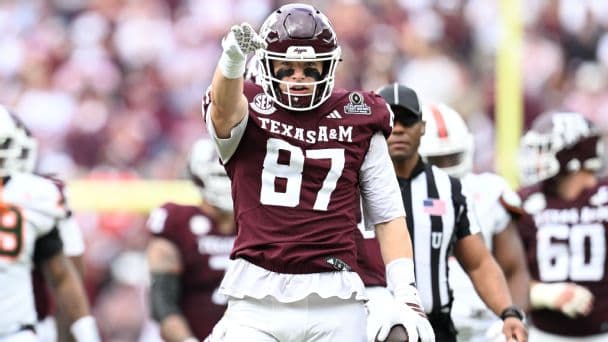
Boerkircher, who played his final collegiate season at Texas A&M, earned a reputation as a reliable, high-effort blocker who understands the nuances of the running game. In Pederson’s system, the tight end is not just a pass-catcher but a vital cog in the blocking scheme. By bringing in a player with Boerkircher’s functional strength and football IQ, the Jaguars are signaling a desire to improve their efficiency in short-yardage situations and provide better protection on the edges for Lawrence.
The decision to "reach" for a player like Boerkircher underscores a shift in draft philosophy. Rather than chasing the highest-rated player on a generic big board, Jacksonville prioritized scheme fit. The front office believes that the Aggie product's ability to execute complex blocking assignments will pay dividends that don’t always show up in the box score but are essential for a winning offense.
Expanding the Offensive Playbook with Multiple Personnel Sets
The primary driver behind the overhaul of the team's tight end unit is the plan to incorporate more "12 personnel" (one running back, two tight ends) and "13 personnel" (one running back, three tight ends) packages. Throughout his coaching career, Doug Pederson has found immense success using multiple tight ends to create defensive mismatches.
Versatility Through Personnel Flexibility
By having multiple capable tight ends on the field, the Jaguars can force opposing defenses into a difficult choice: do they stay in a base defense to stop the run, or do they shift to a nickel package to cover the pass? With players like Brenton Strange, Tanner Koziol, and Boerkircher, Jacksonville now has the personnel to remain unpredictable. They can line up in a heavy formation and run the ball effectively, or they can split their tight ends out wide and exploit slower linebackers in coverage.
Creating Red Zone Mismatches
The addition of size to the roster is a direct response to the team's need for better red zone efficiency. Using the height and wingspan of the new draftees against smaller defensive backs allows Trevor Lawrence to throw to spots where only his receivers can reach the ball. This strategy reduces the reliance on perfect timing and allows for more "above the rim" playmaking in condensed spaces.
Enhanced Protection for Trevor Lawrence
Beyond catching passes, the revamped room provides a secondary layer of pass protection. Having tight ends who are technically sound blockers allows the Jaguars to keep extra players in to chip elite edge rushers, giving Lawrence the extra second he needs to find downfield targets. This added security is paramount for an offense looking to take more vertical shots in the coming season.
How Tanner Koziol and Brenton Strange Fit the New Vision
While Boerkircher brings the grit, Ball State’s Tanner Koziol brings a vertical threat. Standing at 6-foot-7, Koziol was one of the most intriguing developmental prospects in the draft. His inclusion in the Jaguars' tight end group provides a different dimension than what was previously available. Koziol has the catch radius to be a nightmare for defenders in the red zone and the speed to stretch the seam.
This new influx of talent also places a spotlight on Brenton Strange. As a former high draft pick himself, Strange is now part of a room that is deeper and more competitive than ever. The Jaguars are looking for Strange to take the next step in his development, using the competition from the rookies to sharpen his skills. The goal is to have a rotation where there is no significant drop-off in talent, regardless of which player is on the field.
The synergy between these three players—Strange, Boerkircher, and Koziol—allows the Jaguars to be more creative than they were in previous seasons. It relieves the pressure on the wide receivers and creates a more balanced offensive attack that can adapt to different defensive styles week to week.
Addressing the Critics and Looking Ahead
Despite the skepticism from some media outlets regarding the value of their picks, the Jaguars remain steadfast in their approach. The organization’s internal metrics and scouting reports emphasized the need for a total revamp of the tight end room to support their long-term offensive goals. The focus was not on finding a singular star, but on building a cohesive unit that functions as a whole.
As the team moves into organized team activities (OTAs) and training camp, the integration of these new tight ends will be a major storyline to watch. The success of the Jaguars' 2026 season may very well depend on how quickly Boerkircher and Koziol can adapt to the NFL level and how effectively the coaching staff can utilize their unique skill sets. For now, the message from Jacksonville is clear: the tight end position is no longer an afterthought—it is a cornerstone of the offense.
Sources & Original Reporting