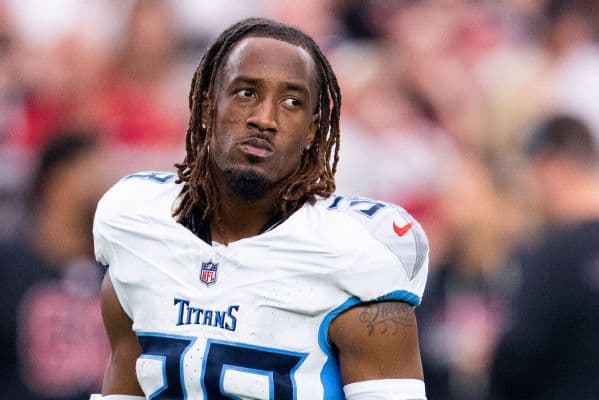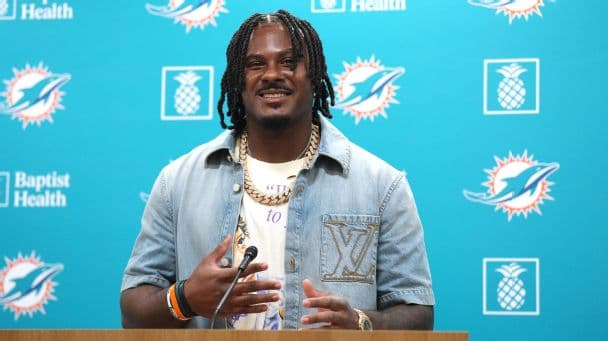
The NFL landscape underwent a seismic shift as the Miami Dolphins officially signaled the start of a total organizational overhaul. In a move that defines the start of the new league year, the Jaylen Waddle trade to the Denver Broncos has been confirmed, sending one of the league’s most explosive playmakers to the Mile High City and leaving a massive void in the Dolphins' depth chart. This blockbuster transaction is more than just a player swap; it is a clear admission that Miami is entering a period of significant transition.
For the Dolphins, moving a talent of Waddle’s caliber is a difficult but calculated decision. Since entering the league, Waddle has been a cornerstone of the Miami offense, known for his elite speed and game-breaking ability. However, as the franchise looks toward the 2026 season and beyond, the front office has opted to prioritize future assets over current star power. The trade serves as the definitive opening act for what is being described as a "full reset" for the organization.
The Strategic Impact of the Jaylen Waddle Trade
The Jaylen Waddle trade represents a pivot in philosophy for the Dolphins. After years of aggressive moves to compete in the AFC East, the team is now pulling back to rebuild its foundation. By moving Waddle now, Miami is maximizing the trade value of a premium asset to kickstart a multi-year rebuilding project. This strategy aligns with a long-term vision to create a sustainable contender rather than patching holes in a roster that has struggled to get over the hump in the postseason.
In Denver, the acquisition of Waddle provides a massive boost to a Broncos offense looking to compete in a crowded AFC West. For Miami, however, the focus remains entirely on the draft board. The departure of Waddle leaves the receiving corps remarkably thin, but it provides the financial and draft flexibility necessary to address the roster's systemic issues. The front office is effectively betting that the volume of high-end draft picks will eventually outweigh the loss of a single elite receiver.
Stockpiling Capital for the 2026 NFL Draft
The most tangible benefit of the deal is the sheer volume of draft capital Miami has accumulated. As the 2026 NFL Draft approaches, the Dolphins find themselves in an enviable position for a rebuilding team. The franchise now possesses seven picks in the first three rounds, a war chest that gives the organization unparalleled power to reshape the roster from the ground up.
First-Round Flexibility
With multiple high-value selections now at their disposal, Miami has the flexibility to target blue-chip prospects at premium positions. Whether the team decides to address the quarterback position, secure a franchise offensive tackle, or find an elite edge rusher, having multiple first-round assets allows them to be aggressive. They can either stay put and take the best player available or use the picks as ammunition to move up for a specific target they view as a generational talent.
Volume in the Top 100
Having seven selections in the first three rounds allows the Dolphins to address several positions of need simultaneously. In a league where depth is just as important as star power, these top-100 picks are essential for building a balanced roster. This volume ensures that the team doesn't have to rely on late-round lottery tickets to fill starting roles. Instead, they can bring in a wave of young, talented players on rookie contracts who can grow together over the next four seasons.
Trade Market Leverage
This abundance of picks also makes Miami a major player in potential draft-day trades. If a team behind them is desperate for a specific prospect, the Dolphins can move back to acquire even more assets for 2027. Conversely, if a veteran star becomes available via trade later in the offseason, Miami has the capital to outbid almost any other suitor in the league. This leverage is a luxury few teams possess during a rebuilding phase.
Filling the Voids: Plenty of Needs to Fill
While the draft picks offer hope for the future, the reality of the current roster is stark. The Dolphins are currently facing a situation where there are "plenty of needs to fill" across the board. Sending Waddle to Denver strips the offense of its primary vertical threat, and the ripple effect will be felt by the entire unit. The receiving room now lacks a proven number-one option, which could stall the development of other young players if not addressed quickly.
Beyond the wide receiver position, the offensive line remains a work in progress, and the defensive secondary will require significant investment to remain competitive in a high-scoring league. The 2026 season will likely be viewed as a foundational year where the results on the field are secondary to the evaluation of young talent. The success of this "full reset" will depend entirely on how effectively the front office utilizes its seven early-round picks to address these glaring holes.
A New Era in South Florida
The decision to move on from a player of Waddle's stature is the first major litmus test for Miami's new direction. It is a move that prioritizes the health of the franchise three years from now over the win-loss column in the immediate term. As the star receiver begins his tenure in Denver, the Dolphins are turning their full attention to the scouting trail and the evaluation of the upcoming draft class.
With seven picks in the first three rounds, the Dolphins have the tools to build a contender. Whether they can execute that plan remains to be seen, but the departure of their star playmaker has officially cleared the deck for a new era of Miami Dolphins football. The road to recovery starts now, and the 2026 NFL Draft will be the most critical event in recent franchise history as the team looks to turn these assets into a winning culture.
Sources & Original Reporting