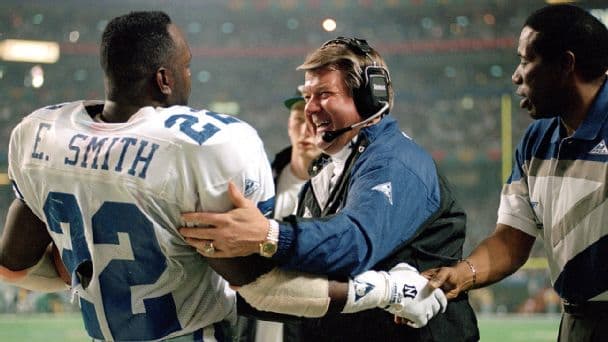
The New York Jets find themselves standing at a historic crossroads this offseason, wielding a level of influence that could reshape the franchise for a generation. With a staggering eight picks in the first and second rounds of the upcoming draft, the organization possesses the kind of capital that can transform a perennial underdog into a legitimate Super Bowl contender overnight. It is a position few teams ever experience, but one man knows exactly what it feels like to hold the keys to such a massive talent haul: legendary Hall of Fame coach Jimmy Johnson. For those following the New York Jets NFL Draft strategy, Johnson’s insights offer a masterclass in roster construction.
A Historic Opportunity for the New York Jets NFL Draft
The current state of the New York Jets NFL Draft portfolio is nothing short of extraordinary. Holding eight selections within the first 64 picks is a rarity in the modern NFL era, providing General Manager Joe Douglas and the Jets' front office with a surplus of resources. This haul is the result of strategic trades and a commitment to a total roster overhaul, placing the team in a position to dominate the talent market. The sheer volume of high-value picks allows for a level of flexibility that most general managers can only dream of, but it also brings a level of scrutiny that can define a career.
Jimmy Johnson, the architect of the Dallas Cowboys' 1990s dynasty, recently weighed in on how the Jets should handle this embarrassment of riches. Johnson famously orchestrated the 1989 Herschel Walker trade, which netted the Cowboys a massive collection of draft picks that eventually became the foundation for three Super Bowl titles. Now, 37 years after he began that legendary rebuild in Dallas, Johnson sees a familiar pattern in New York and is offering his seasoned perspective on how to turn those picks into a championship ring.
The Jimmy Johnson Blueprint: Quality Over Quantity
While having a high volume of picks is an advantage, Johnson’s primary advice to the Jets is to focus on "blue-chip" talent. In the NFL, a blue-chip player is someone who is expected to be an immediate starter and a potential All-Pro. Johnson emphasizes that while the number of picks provides a safety net, the goal should be to walk away with cornerstone players who can change the culture of the locker room. He warns against the temptation to simply add depth when the opportunity for elite impact is present.
Prioritize Elite Talent Over Volume
Johnson suggests that the Jets should not be afraid to use their multiple picks to move up if there is a generational talent available on the board. In his view, three good players rarely equal the impact of one truly great player. By leveraging their surplus of second-round picks, the Jets have the ammunition to jump into the top five or ten selections if a specific player fits their long-term vision. The goal is to find the "difference-makers" who force opposing coaches to change their game plans.
Evaluate Character and Mental Toughness
Johnson’s success in Dallas was built on finding players who were not only physically gifted but mentally tough. He advises the Jets' front office to look beyond the 40-yard dash times and bench press reps. For a rebuild to be successful, especially in a market like New York, the team needs players who can handle the pressure of high expectations. Johnson believes that the character of the players selected with these eight picks will ultimately determine the success of the draft more than their raw athleticism.
Address Premium Positions with Early Capital
With eight picks in the top two rounds, Johnson argues there is no excuse for failing to address the most impactful roles on the field. He points to positions like quarterback, offensive tackle, and edge rusher as the pillars of a winning team. By using their early capital on these high-impact roles, the Jets can ensure they are building a foundation that protects their investments and disrupts their opponents. Johnson notes that while a great linebacker or safety is valuable, the "premium" positions move the needle the most in terms of wins and losses.
Avoid Reaching and Maintain Discipline
One of the biggest traps for a team with many picks is the urge to reach for a player because of a perceived need. Johnson warns that with eight picks in the top 64, there is no reason to take a player earlier than their projected value. The Jets should let the board come to them, using their volume of picks to remain disciplined. If a player they like isn't there, they have the luxury of waiting or trading back further to accumulate even more future assets, though Johnson clearly favors the aggressive pursuit of top-tier talent.
Lessons from the 1989 Dallas Cowboys Rebuild
When Jimmy Johnson took over the Dallas Cowboys, the team was coming off a dismal 1-15 season. By leveraging draft picks, Johnson was able to acquire Hall of Fame talents like Emmitt Smith and key contributors like Russell Maryland and Darren Woodson. The lesson for the Jets is clear: draft capital is only as valuable as the players it turns into. The Cowboys didn't just have picks; they had a vision for what those picks would represent on the field.
Johnson noted that the Jets are in a unique spot because they aren't starting from absolute zero, but the pressure to hit on these picks is immense. "You've got to hit on the big ones," Johnson suggested, noting that the first round is where franchises are truly built. For a team like the Jets, who have struggled with consistency for over a decade, these eight picks represent the most significant opportunity for growth in franchise history. The 1989 Cowboys were the blueprint for how to use a volume of picks to create a dynasty, and the Jets are currently holding the same deck of cards.
Building a Foundation for Sustainable Winning
The New York Jets have often been criticized for their draft-day decisions in the past, but the sheer volume of their current assets provides them with room for error that most teams don't have. However, Johnson warns against complacency. He believes that the sheer influx of young talent can be a double-edged sword; while it brings energy, it also requires strong veteran leadership to guide the new arrivals. Integrating eight top-tier rookies into a locker room requires a delicate balance of coaching and mentorship.
As the draft approaches, all eyes will be on the Jets' war room. Will they follow the Johnson model of aggressive talent acquisition, or will they play it safe? If history is any indication, the blueprint provided by the former Cowboys coach is the surest path to NFL glory. For the Jets, the clock is ticking, and the stakes have never been higher. With the advice of a three-time Super Bowl champion in their ears, the path forward is clear: turn potential into production.
Sources & Original Reporting