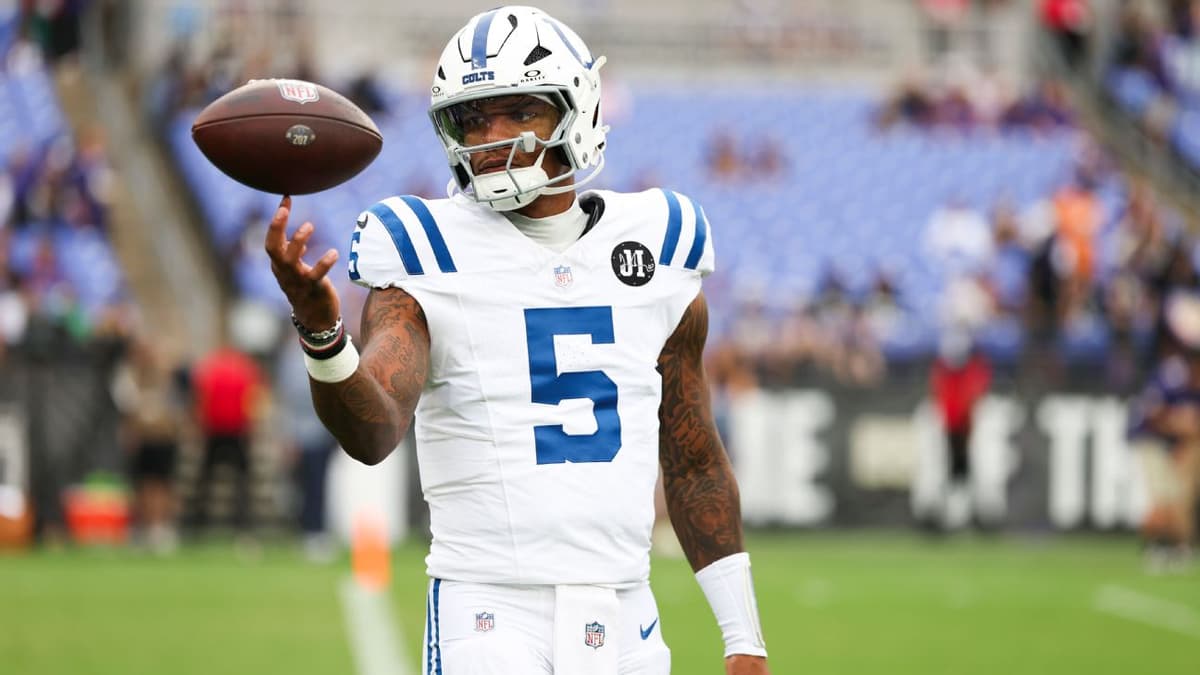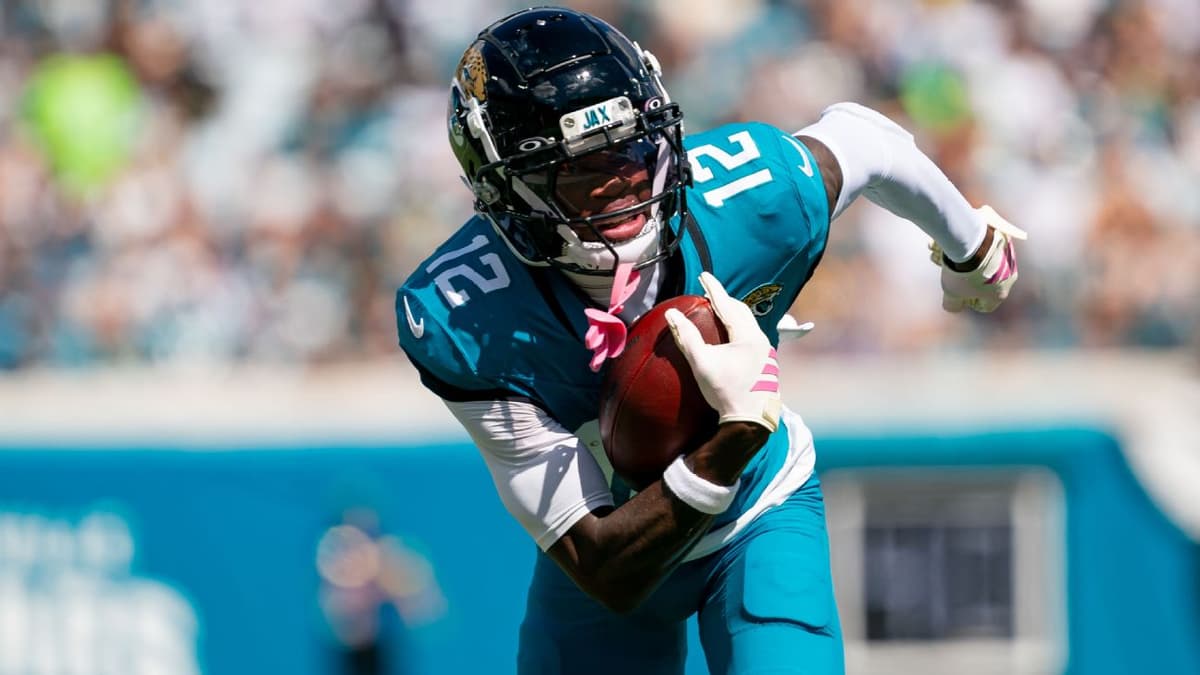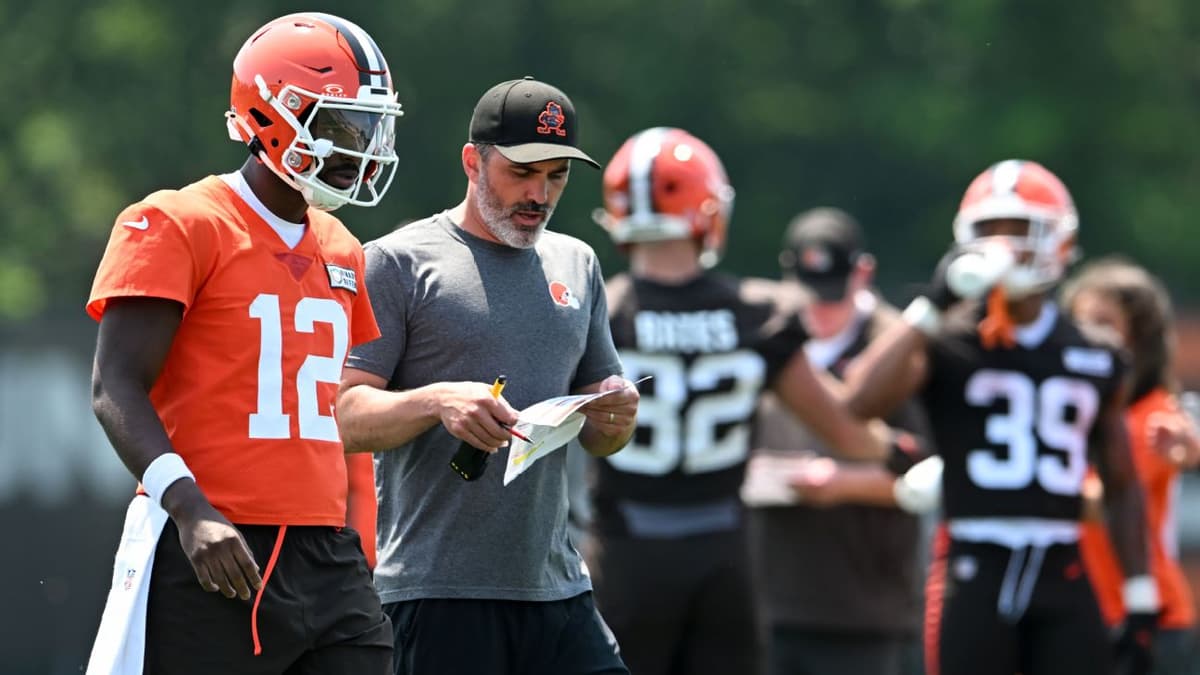
The Atlanta Falcons are entering a transformative period under the leadership of head coach Kevin Stefanski. While the transition to a new coaching staff is always a major storyline, the real intrigue lies in how Stefanski will manage a quarterback room that features both a high-profile veteran in Tua Tagovailoa and a rising talent in Michael Penix Jr. Managing two potential starters is a tightrope walk that few coaches master, but Stefanski believes his recent history in Cleveland—juggling the likes of Joe Flacco, Dillon Gabriel, and Shedeur Sanders—has provided the perfect blueprint for success in Atlanta.
The Cleveland Crucible: Lessons in Quarterback Management
Before arriving in Atlanta, Kevin Stefanski faced a series of unique challenges with the Cleveland Browns. The previous seasons were particularly illustrative of his ability to adapt to shifting personnel. Stefanski had to navigate a room that included the veteran presence of Joe Flacco alongside younger, high-upside prospects like Dillon Gabriel and Shedeur Sanders. Each player required a different coaching approach, a different cadence in the huddle, and a different level of emotional management.
In Cleveland, Stefanski proved that he could maintain offensive consistency even when the personnel behind center shifted. Whether it was the steady, veteran hand of Flacco or the dynamic playmaking of the younger quarterbacks, the system remained the priority. This experience is now the cornerstone of his strategy with the Atlanta Falcons, where the stakes are higher and the spotlight on the quarterback position is even brighter. The ability to keep multiple high-level athletes focused on a single goal is a skill Stefanski honed under pressure.
Stabilizing the Offense with Tua Tagovailoa
The primary focus for the Falcons' offense remains Tua Tagovailoa. Since joining Atlanta, Tagovailoa has been the focal point of Stefanski’s scheme. His quick release and elite accuracy are a natural fit for the West Coast-inspired concepts that Stefanski favors. However, the presence of a first-round talent like Penix Jr. creates an external narrative that could easily become a distraction for a lesser-prepared coaching staff.
Stefanski’s approach is rooted in transparency and clearly defined roles. By drawing on his time with Flacco, he understands how to empower a veteran starter while still preparing the next generation. For Tagovailoa, the goal is clear: execute the high-level passing game that earned him his reputation while leading a locker room that knows the future is also sitting in the meeting room. Stefanski has made it a point to ensure Tagovailoa feels like the undisputed leader of the current squad.
The Development of Michael Penix Jr.
While Tagovailoa leads the charge today, Michael Penix Jr. represents the long-term vision for the franchise. Stefanski’s experience with Shedeur Sanders and Dillon Gabriel taught him the importance of "meaningful reps." It isn't just about standing on the sidelines with a clipboard; it’s about mental preparation and specialized developmental tracks that keep the young quarterback engaged and ready for his eventual opportunity.
- Mental Repetition: Penix is expected to shadow Tagovailoa in every film session, learning the nuances of Stefanski’s decision-making process in real-time.
- Package Implementation: There is speculation that Stefanski could use Penix in specific packages to leverage his unique physical tools, similar to how he integrated younger QBs in Cleveland.
- Locker Room Harmony: Stefanski has emphasized that there is no "quarterback controversy," only a "quarterback room" dedicated to winning games in the NFC South.
Why Kevin Stefanski is the Right Man for the Job
The question of whether Kevin Stefanski is prepared for the Tua Tagovailoa and Michael Penix Jr. dynamic is answered by his track record. He has consistently shown an ability to block out external noise and focus on player development. In an NFL era where backup quarterbacks are more important than ever, having a coach who has successfully managed a complex room in Cleveland is a distinct advantage for Atlanta.
As the Falcons look to reclaim their spot at the top of the NFC South, the synergy between the head coach and his quarterbacks will be the deciding factor. Stefanski isn't just hoping his past prepared him; he is using those specific lessons to build a culture of preparedness. The lessons learned from Flacco, Gabriel, and Sanders are now the foundation upon which the Falcons' future will be built, ensuring that both the present and the future of the position are in capable hands.
Sources & Original Reporting