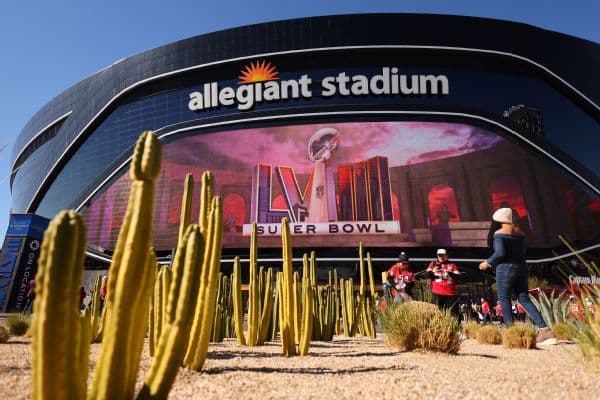
The NFL has officially confirmed that the "Entertainment Capital of the World" will once again take center stage for the biggest event in American sports. On Monday, during the league's annual spring meeting in Phoenix, NFL owners voted to name Las Vegas the Super Bowl LXIII host, bringing the championship game back to the desert for the 2029 season.
The NFL Returns to the Neon Lights
The decision to crown Las Vegas as the Super Bowl LXIII host comes as no surprise to those following the league’s recent affinity for destination cities. After the massive success of Super Bowl LVIII in February 2024, where the Kansas City Chiefs defeated the San Francisco 49ers in a thrilling overtime finish, the NFL saw firsthand the logistical and commercial power of Allegiant Stadium.
The vote, which took place in Phoenix, underscores the league's confidence in the Las Vegas Raiders' home turf. While the city was once considered taboo for professional sports due to its association with gambling, it has rapidly transformed into the ultimate sports hub. Between the Raiders, the NHL’s Golden Knights, and the upcoming arrival of MLB’s Athletics, Las Vegas has proven it can handle the pressure of global sporting events.
Allegiant Stadium: A Modern Marvel for Super Bowl LXIII
Since opening its doors in 2020, Allegiant Stadium has become one of the premier venues in the world. Known affectionately as "The Death Star" for its sleek black exterior, the stadium offers a climate-controlled environment that is perfect for a February kickoff. For the 2029 championship, the venue is expected to showcase even more technological advancements and hospitality upgrades.
Hosting a Super Bowl is about more than just the sixty minutes on the clock; it is about the week-long festivities that take over a city. Las Vegas offers a unique advantage that few other cities can match: a massive concentration of hotel rooms, world-class dining, and entertainment options within walking distance of the stadium and the famous Las Vegas Strip. This infrastructure was a key talking point during the owners' deliberations in Phoenix.
Economic Impact and the Future Super Bowl Rotation
The financial implications of being named the Super Bowl LXIII host are staggering. Early estimates suggest that the event could bring in hundreds of millions of dollars in economic impact to the Southern Nevada region. This includes revenue for local businesses, surge in tourism, and global media exposure that keeps Las Vegas at the forefront of the travel industry.
With this announcement, the NFL’s upcoming Super Bowl calendar is becoming more clear. The league has a strategic lineup of host cities for the coming years:
- Super Bowl LIX (2025): New Orleans, LA – Caesars Superdome
- Super Bowl LX (2026): Santa Clara, CA – Levi’s Stadium
- Super Bowl LXI (2027): Los Angeles, CA – SoFi Stadium
- Super Bowl LXII (2028): Atlanta, GA – Mercedes-Benz Stadium
- Super Bowl LXIII (2029): Las Vegas, NV – Allegiant Stadium
What This Means for the Las Vegas Raiders
For the Las Vegas Raiders, being the host team for a second time in a decade is a significant milestone. While the team will be focused on ensuring they are actually playing in the game come 2029, the organization will play a pivotal role in the planning and execution of the event. Raiders owner Mark Davis has been a vocal proponent of bringing the league's marquee events to Nevada, and this vote serves as a validation of his vision for the franchise's relocation.
As the NFL continues to expand its global reach, having a reliable, high-energy home like Las Vegas in the rotation ensures that the Super Bowl remains a spectacle of the highest order. Fans can already start looking forward to the glitz, glamour, and high-stakes football that will define the 2029 season finale.
Sources & Original Reporting