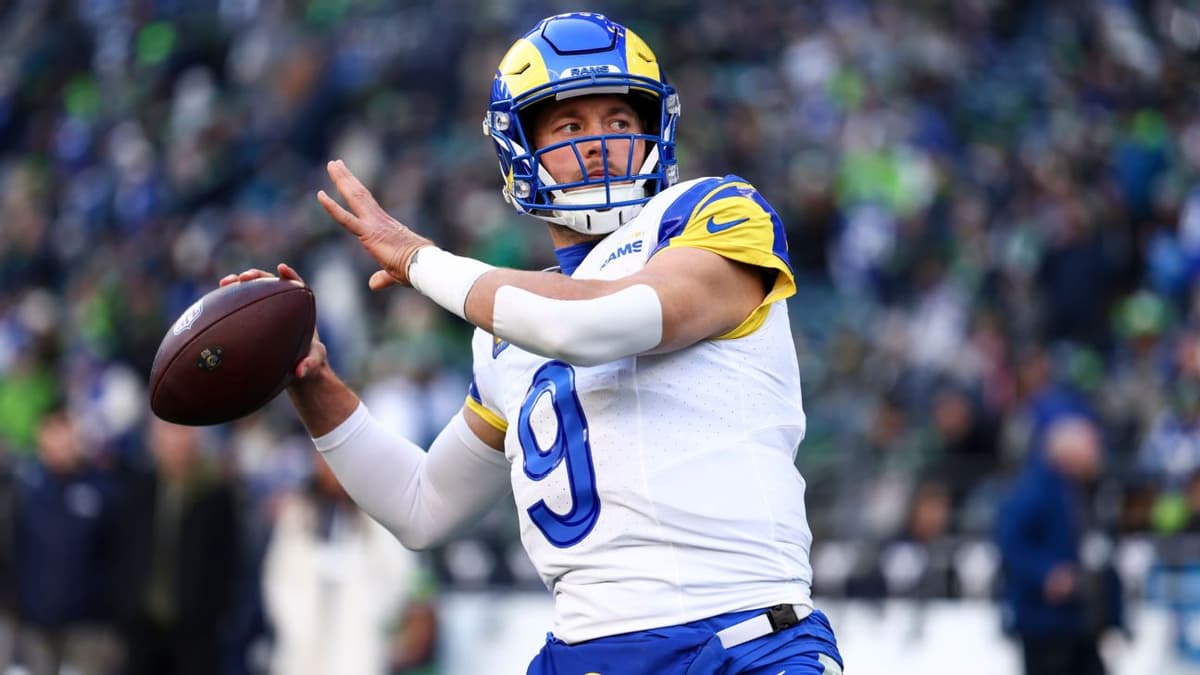
In the high-stakes environment of the NFL, the traditional blueprint for a franchise quarterback involves being the first person in the building and the last one to leave. For decades, the league has lionized the image of the exhausted leader grinding through film in the early hours of the morning. However, the Los Angeles Rams recently flipped that script, and the results were nothing short of historic. By intentionally pulling back on the workload and prioritizing recovery, the organization paved the way for Matthew Stafford's MVP season, proving that sometimes, less truly is more.
The Philosophy Behind Matthew Stafford’s MVP Season
The cornerstone of the Rams' strategy this past year was a radical departure from the norm: they allowed Matthew Stafford to spend significant time away from the team facility during the offseason and training cycles. This wasn't a sign of complacency, but rather a calculated effort by Sean McVay and the Rams' medical staff to preserve the veteran’s arm and mental energy. The primary goal was to ensure Stafford entered the grueling regular season feeling fresher than he has in nearly a decade.
Stafford, who has battled numerous back, elbow, and finger injuries throughout his prolific career, responded to this autonomy with one of the most efficient campaigns of his life. By the time the season kicked off, the physical toll usually associated with a veteran quarterback's preseason was non-existent. This fresh start allowed Stafford to maintain a high level of play through the winter months, eventually securing the league's highest individual honor and cementing Matthew Stafford's MVP season in the record books.
Prioritizing Physical Longevity Over Traditional Repetition
The Rams learned that for a player with Stafford’s level of experience, mental reps often outweigh physical ones. While younger quarterbacks need every live snap to learn defensive rotations and timing, Stafford has seen every coverage imaginable over his 17 years in the league. By reducing his mandatory presence at the facility, the Rams allowed him to focus on high-quality preparation rather than the sheer quantity of practice hours.
This approach directly addressed the "late-season fade" that often plagues veteran quarterbacks. Because he wasn't burnt out by October, Stafford was able to make elite throws in the fourth quarter of games late in the schedule. Data from the Rams' training staff suggested that his ball velocity and accuracy remained consistent throughout the year, a direct result of the reduced early-year workload. The strategy essentially shifted his energy expenditure from the practice field in August to the scoreboard in December.
Managing the Depth Chart: From Stetson Bennett IV to Ty Simpson
Stafford’s time away from the facility created a secondary benefit for the Los Angeles Rams: an abundance of practice reps for the younger players on the roster. During the 2025 MVP campaign, the coaching staff was able to provide an extended look at the developmental arms in the room, ensuring the team was prepared for any contingency.
- Stetson Bennett IV: Benefited from increased volume in 7-on-7 drills and team periods during the 2025 season, helping him acclimate to the speed of the NFL game while the starter rested.
- Jimmy Garoppolo: Provided a veteran presence in the facility during Stafford's scheduled absences, ensuring the offensive rhythm remained intact for the receiving corps.
Looking forward to the 2026 season, the Rams are doubling down on this philosophy with their newest addition, Ty Simpson. Drafted in April 2026, Simpson enters a culture that has already mastered the art of the "split-squad" mentality. While Stafford continues his specialized rest protocol, Simpson is expected to receive the lion's share of first-team reps during the 2026 offseason. This "trickle-down" effect means the Rams aren't just protecting their starter; they are using the lessons from Matthew Stafford's MVP season to accelerate the development of their next generation of talent.
A Blueprint for the Future of Veteran Quarterbacks
The success of the Rams' approach is likely to send shockwaves through front offices across the NFL. As the league expands to a 17-game schedule and an arduous playoff format, the premium on health has never been higher. The Rams have provided a case study in how to manage an aging superstar: trust their preparation, value their health over their attendance, and prioritize the finish line over the starting blocks.
For Sean McVay and the Rams, the lesson is clear. The investment in Stafford’s rest paid dividends in the form of a trophy. As they look toward the 2026 season and beyond, this model of "fresher is better" will likely become the standard operating procedure for the franchise. By keeping Stafford off the practice field in the spring, they are ensuring he is exactly where they need him in the winter: under center and playing at an MVP level.
Sources & Original Reporting