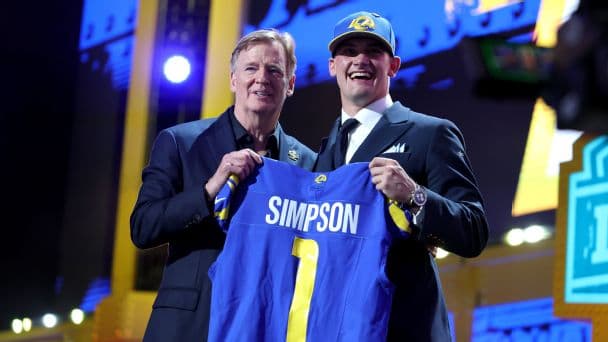
The Los Angeles Rams have never been a franchise to shy away from bold, often controversial decisions under the leadership of General Manager Les Snead and Head Coach Sean McVay. However, their latest move during the 2026 NFL Draft has left the sports world buzzing. Despite Matthew Stafford coming off a dominant season where he earned the NFL MVP award, the Rams used their first-round selection to draft Alabama quarterback Ty Simpson. The Matthew Stafford and Ty Simpson pairing has sparked an intense debate: Is this a visionary move for the future, or is it a waste of a championship window?
The Matthew Stafford and Ty Simpson Dynamic
The core of the controversy lies in the timing. Usually, a team drafts a quarterback in the first round when their current starter is failing or nearing retirement. In this case, Matthew Stafford is at the peak of his powers, having just led the Rams deep into the playoffs and securing individual honors as the league's most valuable player. The introduction of Ty Simpson into the quarterback room creates a unique dynamic that the Rams must navigate carefully. By bringing in a talent like Simpson now, the Rams are attempting to replicate a "bridge" model that few teams have successfully executed while still in a championship window.
Simpson enters the NFL as one of the most polished prospects from the collegiate ranks. His ability to extend plays with his legs and his high-level processing speed made him a favorite for scouts during the draft process. For the Rams, the appeal is obvious: Simpson provides a high-upside insurance policy for the 38-year-old Stafford. While Stafford’s arm remains elite, the physical toll of his long career is always a factor. The presence of both players allows the rookie to develop without the pressure of immediate starts, potentially extending the Rams' relevance for another decade.
Historical Precedents for the Heir Apparent
The Rams are not the first team to take this gamble. The most famous modern example is the Green Bay Packers, who drafted Jordan Love while Aaron Rodgers was still an elite force. That move was met with significant backlash and led to years of tension before Rodgers eventually moved on to the New York Jets. More recently, the Atlanta Falcons shocked the league by drafting Michael Penix Jr. just months after signing Kirk Cousins to a massive contract. These moves suggest a shift in NFL philosophy where teams are no longer willing to wait for a "post-starter" era to find their next franchise cornerstone.
Other teams like the Kansas City Chiefs and Philadelphia Eagles have also utilized high draft capital on quarterbacks while having established starters, though usually not with a reigning MVP under center. The Rams are betting that Simpson’s development under Stafford’s tutelage will be more valuable than any defensive end or wide receiver they could have taken with that first-round pick. It is a philosophy that prioritizes the most important position on the field above all else, even at the cost of immediate roster depth.
Strategic Risks and the Championship Window
The primary criticism of the pick is the opportunity cost. The Rams are a contending team in a competitive NFC that includes powerhouse rosters like the San Francisco 49ers and Minnesota Vikings. By using a first-round pick on a player who will ideally spend the entire 2026 season on the bench, the Rams are essentially playing shorthanded. In a league where the difference between a Super Bowl appearance and a divisional exit can be one elite edge rusher or a shutdown corner, the decision to draft Simpson is a massive risk.
- Stafford's Longevity: Can the veteran maintain MVP form for another 2-3 years?
- Roster Depth: Did the Rams ignore pressing needs on the offensive line or secondary?
- Locker Room Chemistry: Will the presence of a first-round rookie create unnecessary pressure on the veteran starter?
However, the Rams' front office has earned the benefit of the doubt. They have consistently found talent in later rounds—evidenced by their success with mid-round picks in previous drafts—which may have given them the confidence to "spend" their first-rounder on a long-term project. If Simpson develops into a top-tier starter, this draft will be remembered as the moment the Rams avoided the "post-Super Bowl slump" that plagues so many veteran-heavy teams.
Looking Ahead to the 2026 Season
As the Rams head into training camp, all eyes will be on the interaction between the veteran and the rookie. Matthew Stafford has historically been a great teammate, and early reports suggest he is embracing the role of mentor. For Ty Simpson, the goal is simple: soak up as much knowledge as possible from one of the game's greatest minds. The Rams are banking on the idea that they don't have to choose between winning now and preparing for later. With an MVP under center and a blue-chip prospect waiting in the wings, Los Angeles is attempting to have it both ways.
Whether this strategy pays off will ultimately be decided on the field. If Stafford remains healthy and the Rams return to the Super Bowl, the Simpson pick will be viewed as a luxury. If the team struggles due to holes elsewhere on the roster, the scrutiny on Les Snead and Sean McVay will be immense. For now, the new era has officially begun in Los Angeles, marking a bold new chapter for a franchise that refuses to follow the traditional NFL blueprint.
Sources & Original Reporting