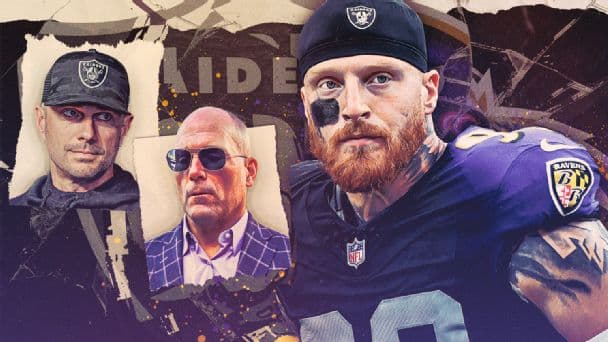
The NFL trade deadline often produces more smoke than fire, but the potential Maxx Crosby trade between the Las Vegas Raiders and the Baltimore Ravens was a legitimate inferno that nearly changed the landscape of the AFC. For weeks, rumors swirled that the Ravens were looking for a game-changing pass rusher to solidify their Super Bowl aspirations. Meanwhile, the Raiders were mired in a difficult season, leading many to believe a franchise-altering move was on the horizon. However, despite intense interest and high-level discussions, the deal never crossed the finish line.
The Baltimore Ravens' Aggressive Pursuit
As the trade deadline approached, the Baltimore Ravens made it clear to the rest of the league that they were in the market for defensive help. With an offense led by Lamar Jackson firing on all cylinders, the front office identified the pass rush as the final piece of a championship puzzle. Their primary target was none other than Maxx Crosby, the three-time Pro Bowler and heart of the Raiders' defense.
According to sources familiar with the negotiations, the Ravens were prepared to offer a significant package of draft capital to pry Crosby away from Las Vegas. Baltimore's interest wasn't just a casual inquiry; it was a concerted effort to land one of the most productive edge rushers in the league. The Ravens' front office viewed Crosby as a player who could not only boost their sack totals but also bring a relentless motor and leadership to their locker room.
The Raiders' Stance and Mark Davis’s Intervention
While the Ravens were aggressive, the Las Vegas Raiders were deeply conflicted. On one hand, the team was struggling in the standings, and the assets gained from a Maxx Crosby trade could have jumpstarted a total roster overhaul. On the other hand, Crosby is more than just a player in Las Vegas; he is the face of the franchise and the embodiment of the "Raider Way."
The primary hurdle in the negotiations was reportedly Raiders owner Mark Davis. While front offices often look at trades through the lens of value and draft picks, Davis viewed Crosby as an untouchable asset. Sources indicate that Davis was unwilling to sanction a move that would send the team's best player and emotional leader packing, regardless of the return. For Davis, Crosby represents the culture he wants to build in Las Vegas, making a trade virtually impossible from the start.
Alternative Options: The Trey Hendrickson Factor
As it became increasingly clear that the Raiders would not budge on Crosby, the Ravens were forced to explore other avenues. One name that surfaced in similar conversations was Cincinnati Bengals star Trey Hendrickson. Much like Crosby, Hendrickson is a high-volume sack artist who would have immediately improved Baltimore's defensive front.
However, the intra-division rivalry between the Ravens and the Bengals made a deal for Hendrickson even more complicated than the pursuit of Crosby. The Bengals were hesitant to arm a direct competitor in the AFC North, further narrowing the Ravens' options. This left Baltimore in a difficult position where their top-tier targets were either deemed untouchable by their owners or blocked by divisional politics.
The Aftermath for Both Franchises
The failure of the Maxx Crosby trade talks left both teams in familiar territory. The Ravens eventually settled for other defensive reinforcements, but the absence of a superstar like Crosby remained a talking point throughout their season. For Baltimore, the situation highlighted the difficulty of acquiring elite talent mid-season when the selling team views the player as a cultural cornerstone.
For the Raiders, keeping Crosby sent a message to the locker room and the fan base that they were not completely throwing in the towel on their identity. Crosby himself has frequently expressed his desire to remain a "Raider for life," and the team's refusal to trade him solidified that commitment. While the draft picks would have been valuable, the Raiders decided that the cost of losing their leader was simply too high to pay.
Why Superstar Trades Often Fail
The collapse of these negotiations serves as a reminder of the complexities involved in NFL trades. It is rarely just about the talent on the field; it involves:
- Owner Approval: As seen with Mark Davis, the final say often rests with ownership rather than the General Manager.
- Cultural Impact: Losing a player like Crosby can have a devastating effect on team morale and fan engagement.
- Market Value: Finding a middle ground on the value of a generational talent is notoriously difficult.
In the end, the Ravens' dream of pairing Crosby with their high-powered offense remained just that—a dream. As both teams look toward the future, the "what if" of this failed deal will likely linger in the minds of fans and analysts alike.
Sources & Original Reporting