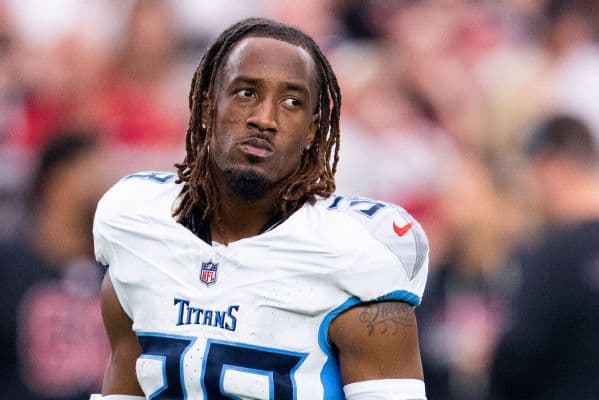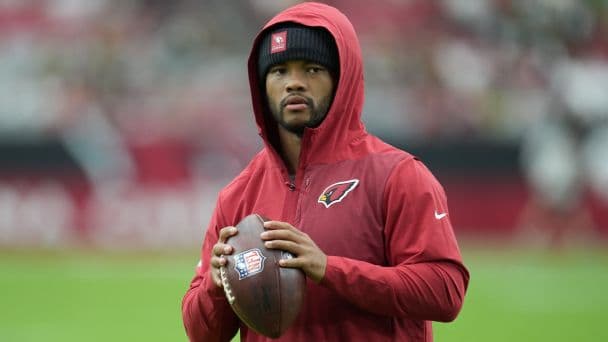
The Minnesota Vikings sent shockwaves through the NFL landscape with the acquisition of Kyler Murray, a move that signaled a definitive end to the uncertainty at the quarterback position. However, since that blockbuster transaction, the headlines coming out of TCO Performance Center have been uncharacteristically quiet. For a fan base accustomed to the flurry of activity that usually defines the start of the new league year, the silence has been deafening.
While other NFC North rivals are aggressively reshaping their rosters with high-priced veterans, the Vikings appear to be in a holding pattern. This perceived inactivity has led to questions regarding the team's direction: Is this a calculated pause, or are the Vikings simply out of resources? A closer look at the Minnesota Vikings free agency strategy reveals a complex balancing act between immediate Super Bowl aspirations and a tightening salary cap reality.
The Financial Impact of the Kyler Murray Acquisition
To understand why the Vikings have been quiet, one must first look at the financial gravity of the Kyler Murray signing. Bringing in a franchise quarterback of Murray's caliber is never a cheap endeavor. The contract restructuring and the cap hit associated with such a move have immediate ripple effects across the entire roster. In the NFL's hard-cap system, every dollar allocated to a star signal-caller is a dollar that cannot be spent on the secondary or the offensive line.
General Manager Kwesi Adofo-Mensah has often spoken about a "competitive rebuild," but the Murray signing pushes the team firmly into the "competitive" side of that equation. By securing a dual-threat playmaker under center, the Vikings have signaled to the league that they are in a championship window. However, that window comes with a high price tag, leaving the front office with limited "mad money" to spend on the second and third waves of free agency.
Navigating Critical Salary Cap Constraints
The primary hurdle for Minnesota Vikings free agency this cycle is the looming shadow of the salary cap. Minnesota entered the offseason with several bloated veteran contracts and a significant amount of dead money. While the front office has been creative in pushing hits into future years, they have reached a point where they must be surgical with their additions.
The quiet nature of their recent weeks isn't necessarily a lack of effort. Reports indicate that the Vikings have been active in conversations, but they are disciplined in their valuations. They are no longer in a position to overpay for mid-tier talent to fill holes. Instead, they are forced to wait for the market to stabilize, hoping to find value signings that can provide veteran depth without compromising their long-term financial health.
The Role of Veteran Leadership: Harrison Smith and the Defense
Another key factor in the Vikings' quiet offseason is the internal management of their own legends. Safety Harrison Smith remains a focal point of the defense and the locker room. Managing the contracts of aging stars like Smith requires a delicate touch. The team must decide whether to ask veterans to take pay cuts, restructure for cap relief, or move on entirely—decisions that take time and often delay external signings.
By retaining core veterans like Smith, the Vikings are betting on continuity over a complete roster overhaul. This strategy suggests that the coaching staff believes the existing defensive unit, supplemented by a high-powered offense led by Murray, is enough to compete in the postseason. It is a gamble that prioritizes chemistry and veteran savvy over the raw potential of expensive new arrivals.
A "Win Now" Mentality Despite the Silence
It is a mistake to equate a lack of signings with a lack of ambition. The Vikings are very much in a "win now" mode. The acquisition of Kyler Murray was the ultimate proof of that intent. The subsequent quiet period is simply the byproduct of a team that has already made its biggest move and is now forced to play the long game with its remaining budget.
The Vikings are likely eyeing the upcoming NFL Draft as their primary vehicle for roster improvement. With the cap being as tight as it is, rookie contracts become the most valuable assets in the building. By filling remaining gaps through the draft, Minnesota can surround Murray with young, affordable talent, allowing them to remain competitive without breaking the bank.
What to Expect Next in Minnesota
- Value Signings: Look for the Vikings to target veteran league-minimum deals as the draft approaches.
- Draft Focus: Expect a heavy emphasis on defensive depth and offensive line protection in the early rounds.
- Contract Extensions: Potential extensions for current stars to further lower this year's cap hits.
The Minnesota Vikings free agency period may not have the fireworks fans expected after the Murray news, but the strategy is clear: protect the investment in the quarterback, manage the cap with discipline, and rely on the core leadership that has defined the franchise for the last decade. The silence isn't a sign of retreat; it's the sound of a front office being careful with its last few chips.
Sources & Original Reporting