The New York Giants have been one of the most proactive teams in the NFL during the current free agency window. General Manager Joe Schoen and the front office have been diligent, adding or retaining close to 20 players to shape the roster for the upcoming season. From skill positions to secondary help, the Giants have been making moves across the board. Yet, as the dust begins to settle on the initial waves of signings, a closer look at the transactions reveals a puzzling omission: the New York Giants interior line remains largely untouched by major external talent.
The Current State of the New York Giants Interior Line
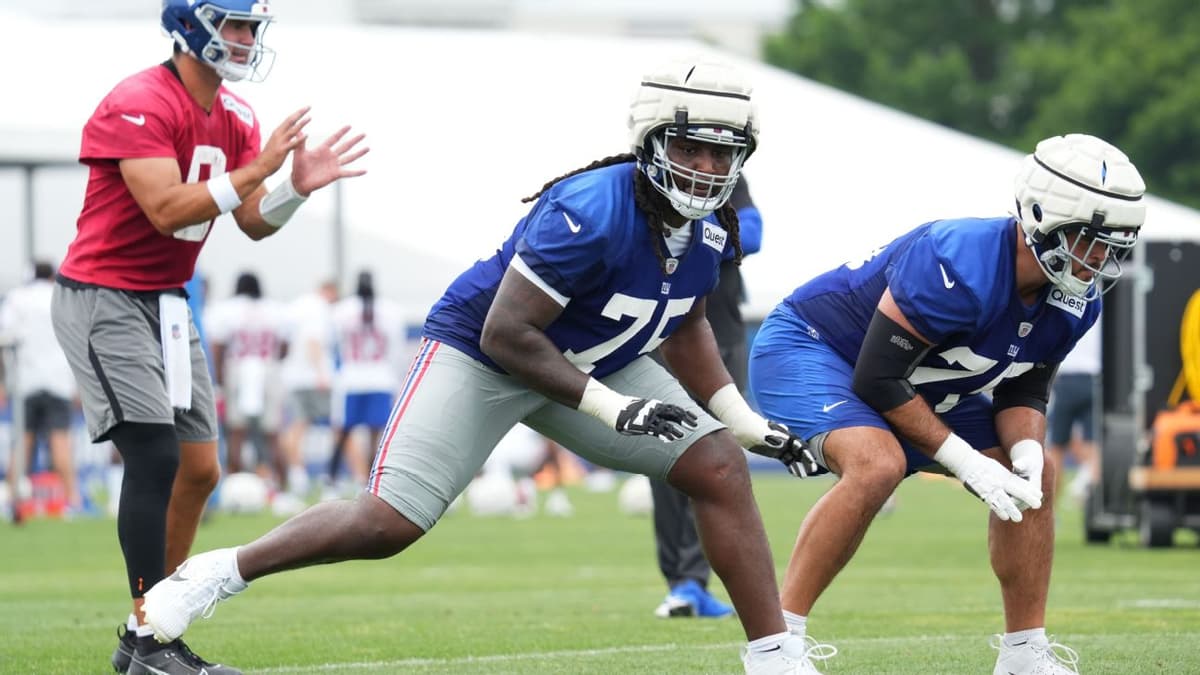
In the modern NFL, games are often won and lost in the trenches. For the Giants, the interior offensive line has been a recurring pain point for several seasons. While the team has invested heavily in the tackle positions with cornerstone players like Andrew Thomas, the middle of the line—consisting of the guards and center—remains a work in progress. According to recent reports, while the Giants have been busy elsewhere, they have notably missed out on significant reinforcements for the interior of both the offensive and defensive lines.
The lack of significant reinforcements on the interior defensive line is equally concerning for fans and analysts alike. While the Giants boast high-end talent at the edge and at the nose, the depth and starting-caliber talent in the interior gaps are essential for stopping the run and providing a consistent pass rush. Without a stout middle, the defense risks being exploited by physical running games and quick-release passing attacks.
Analyzing the Free Agency Strategy
The decision to prioritize other positions over the interior lines is a calculated risk that has become the focal point of the Giants' offseason narrative. By bringing back or signing nearly 20 players, the team has clearly prioritized depth in the secondary and versatility among their playmakers. However, the absence of a veteran presence or a high-upside signing on the interior line suggests a specific philosophy in roster construction:
- Focus on Continuity: Retaining existing players to maintain chemistry within the locker room.
- Positional Valuation: Prioritizing premium positions like cornerbacks and wide receivers in the open market.
- Draft Dependency: Potentially leaning on the upcoming NFL Draft to find younger, more affordable talent for the trenches.
The New York Giants interior line needs to be more than just a collection of bodies; it needs to be a cohesive unit capable of protecting the quarterback and creating lanes for the running game. On the defensive side, the interior must be stout enough to allow the linebackers to play clean and the edge rushers to isolate their targets. The current lack of movement in these areas suggests the Giants are confident in their current developmental players or are waiting for a specific market shift.
Looking Ahead to the 2026 Season
As the Giants move closer to the draft and the subsequent phases of the offseason, the focus will undoubtedly shift back to the trenches. The current roster construction shows a team that is deep in many areas but potentially vulnerable at its core. If the Giants are to improve upon their recent performances, finding reliable starters for the interior offensive and defensive lines is not just a preference—it is a necessity for long-term stability.
The coaching staff will have their work cut out for them in developing the young talent already on the roster. However, without substantial veteran additions, the pressure on these young players to perform immediately will be immense. The Giants have shown they have the capacity to be aggressive, but the clock is ticking as the market for top-tier interior talent begins to dry up. Whether through the draft or late-stage free agency, the New York Giants interior line must be addressed to ensure the team can compete in the physical NFC East.
Ultimately, the success of the Giants' 2026 campaign may hinge on whether the front office's gamble on the existing interior depth pays off. While the 20 signings made so far address many holes, the vacancy in the middle remains the biggest question mark hanging over MetLife Stadium this spring.
Sources & Original Reporting