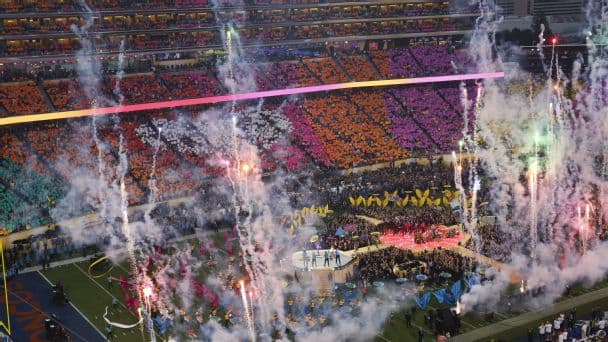
With the confetti still being cleared from the turf at Levi's Stadium following the conclusion of Super Bowl LX, NFL fans are already turning their attention to the horizon. Understanding the cycle of Super Bowl locations is a tradition as storied as the game itself, involving a complex mix of state-of-the-art infrastructure, hospitality capacity, and, quite often, favorable weather. As the league looks toward its next decade of championships, the roadmap for the biggest game in sports is already taking shape with some of the world's most iconic venues prepared to take center stage.
The Future of the NFL: Next Super Bowl Locations
For fans planning their travel or simply looking ahead to the next championship spectacle, the NFL has already confirmed the sites for the coming years. The focus now shifts to Southern California, a region that has become a cornerstone for the league’s premier events. Super Bowl LXI is scheduled to take place in February 2027 at SoFi Stadium in Inglewood, California. This marks a relatively quick return to the Los Angeles area, which last hosted the game for Super Bowl LVI in 2022.
Following the trip to the West Coast, the NFL will head to the Southeast. Super Bowl LXII is slated for February 2028 at Mercedes-Benz Stadium in Atlanta, Georgia. This will be the fourth time Atlanta has hosted the game, having previously welcomed the NFL’s finale in 1994, 2000, and 2019. The selection of these Super Bowl locations highlights the league's preference for newer, high-tech stadiums that offer premium fan experiences and climate-controlled environments.
Miami and New Orleans: The Heavyweight Champions of Hosting
While new stadiums like SoFi and Allegiant are entering the rotation, two cities remain the undisputed kings of the Super Bowl circuit. When looking at the history of Super Bowl locations, Miami and New Orleans stand head and shoulders above the rest. Both cities have hosted the big game 11 times, a testament to their deep-rooted football culture and world-class tourism infrastructure.
- Miami (11 times): The South Florida region hosted its first Super Bowl in 1968 (Super Bowl II) and most recently in 2020 (Super Bowl LIV). The combination of late-winter warmth and the renovated Hard Rock Stadium keeps Miami at the top of the NFL's list.
- New Orleans (11 times): The Big Easy is synonymous with the Super Bowl. From the early days at Tulane Stadium to the iconic Caesars Superdome, New Orleans provides a compact, festival-like atmosphere that the NFL covets. Most recently, the city hosted Super Bowl LIX in 2025.
- Greater Los Angeles (8 times): With the inclusion of the upcoming 2027 game, the L.A. area will close the gap, marking its ninth time hosting the event across three different venues: the Los Angeles Memorial Coliseum, the Rose Bowl, and SoFi Stadium.
What Makes a Great Super Bowl Location?
The process of selecting Super Bowl locations is no longer a simple bidding war; it is an invited competition where the NFL identifies markets that meet rigorous criteria. To host a Super Bowl, a city must provide a stadium with a minimum capacity (usually 70,000 seats), a specific number of hotel rooms within a certain radius, and a massive amount of space for the "NFL Experience" and other fan activations.
Weather plays a significant role as well. Historically, the league has favored "warm-weather" cities or those with retractable roofs or domes. While the NFL famously broke this trend for Super Bowl XLVIII at MetLife Stadium in New Jersey, the vast majority of games are held in climates where the elements cannot dictate the outcome of the game. This is why cities like Phoenix, Tampa, and Las Vegas have become frequent fixtures in the hosting rotation.
Historical Milestones in Super Bowl Hosting
Looking back at the evolution of these venues provides a snapshot of NFL history. The very first Super Bowl was held at the Los Angeles Memorial Coliseum in 1967, where the Green Bay Packers defeated the Kansas City Chiefs. Since then, the game has grown from a standard championship match into a global cultural phenomenon. As the league continues to expand its reach, the selection of Super Bowl locations will likely continue to favor venues that can handle the massive technological and security demands of the modern era.
Whether it is the neon lights of Las Vegas or the historic charm of the French Quarter in New Orleans, the location of the Super Bowl is often as much a part of the story as the teams playing in it. As we look toward Los Angeles in 2027 and Atlanta in 2028, the NFL ensures that its biggest stage remains as grand as the game itself.
Sources & Original Reporting