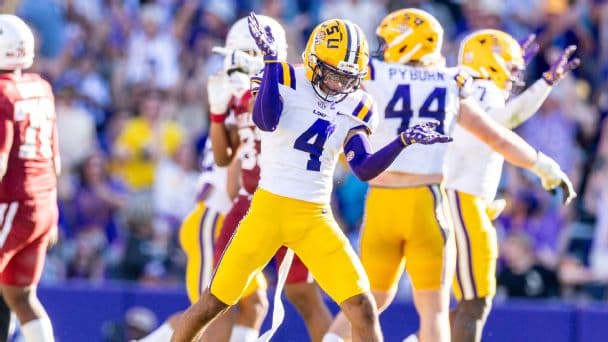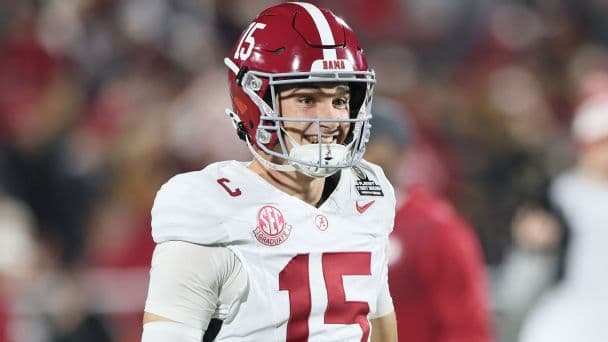
The landscape of professional football is on the verge of another seismic shift as the conversation surrounding an 18-game regular season dominates the discourse at the NFL league meetings in Phoenix. While the transition from 16 to 17 games is still relatively fresh in the minds of players and fans alike, the league's power brokers are already looking toward the next frontier of expansion. Owners from the Indianapolis Colts, Kansas City Chiefs, Cleveland Browns, and New England Patriots have been among the most vocal in discussing the feasibility and potential implementation of a longer schedule.
The Economic Engine Behind the 18-Game Regular Season
The primary driver for an 18-game regular season is, unsurprisingly, the potential for significant revenue growth. For the NFL, an extra week of regular-season inventory represents hundreds of millions of dollars in additional media rights value and ticket sales. Jim Irsay, owner of the Indianapolis Colts, has been a proponent of finding ways to maximize the league's reach while balancing the physical demands placed on the athletes. The logic is simple: regular-season games are far more valuable than preseason exhibitions, and the league is looking to swap one for the other.
Jimmy Haslam, owner of the Cleveland Browns, echoed similar sentiments regarding the evolution of the game. Haslam noted that the league must continue to grow to meet the demands of a global audience. However, he emphasized that any move toward 18 games must be handled with extreme care regarding player health and safety. The shift would likely involve reducing the preseason to just two games, a move that many coaches believe is already happening organically as starters see fewer and fewer snaps in August.
Coaching Perspectives: Balancing Preparation and Health
While owners look at the balance sheets, coaches are tasked with managing the rosters. The prospect of an 18-game regular season presents a unique set of challenges for coaching staffs across the league. From the Minnesota Vikings to the New Orleans Saints, head coaches are weighing how an extra week of high-intensity football would impact late-season performance and injury rates.
One of the recurring themes among coaches is the need for expanded rosters. If the league moves to 18 games, there is a strong argument for increasing the active game-day roster and the practice squad size. This would allow teams to rotate players more effectively and mitigate the "war of attrition" that often defines the NFL playoffs. Coaches also point out that an 18-game schedule would likely require a second bye week for every team, providing a much-needed mid-season reset for players' bodies.
The Collective Bargaining Agreement Hurdle
Despite the momentum among some owners, the path to an 18-game regular season is not without its obstacles. The current Collective Bargaining Agreement (CBA) between the NFL and the NFL Players Association (NFLPA) runs through the 2030 season. Under the current agreement, the league cannot unilaterally expand the season beyond 17 games without the express consent and negotiation of the players' union.
NFLPA leadership has historically been cautious about season expansion. The physical toll of the sport is the primary concern, and players will likely demand significant concessions in exchange for an 18th game. These concessions could include higher revenue shares, changes to the salary cap structure, or even stricter limits on off-season workouts and training camp contact. Robert Kraft of the New England Patriots has often been a bridge-builder in these types of labor discussions, and his perspective will be vital as the league navigates these delicate negotiations.
What an 18-Game Schedule Means for the Fans
For the fans, an 18-game regular season means one more week of meaningful football and potentially a Super Bowl that moves into the President's Day weekend. This shift would align the NFL's biggest game with a national holiday, potentially creating a "Super Bowl Monday" for many workers. Furthermore, a longer season allows for better scheduling of international games, as the league continues its aggressive expansion into markets like London, Munich, and São Paulo.
However, critics argue that the "less is more" philosophy is what makes the NFL regular season so special. Every game currently carries immense weight, and there is a fear that adding more games could dilute the product or lead to more "meaningless" games at the end of the season if playoff spots are already clinched. The Kansas City Chiefs' Clark Hunt has noted that maintaining the integrity of the regular season is paramount, even as the league looks for growth opportunities.
Conclusion: A Matter of When, Not If?
While no formal vote has been scheduled, the consensus in Phoenix seems to be that an 18-game regular season is an eventual certainty rather than a hypothetical possibility. The financial incentives are too large to ignore, and the blueprint for swapping preseason games for regular-season contests is already in place. As the NFL continues to evolve, the focus will remain on how to protect the players while delivering the maximum amount of high-stakes football to a global audience. The coming years of labor negotiations will determine exactly when the 18-game era begins, but the conversation has officially moved into high gear.
Sources & Original Reporting