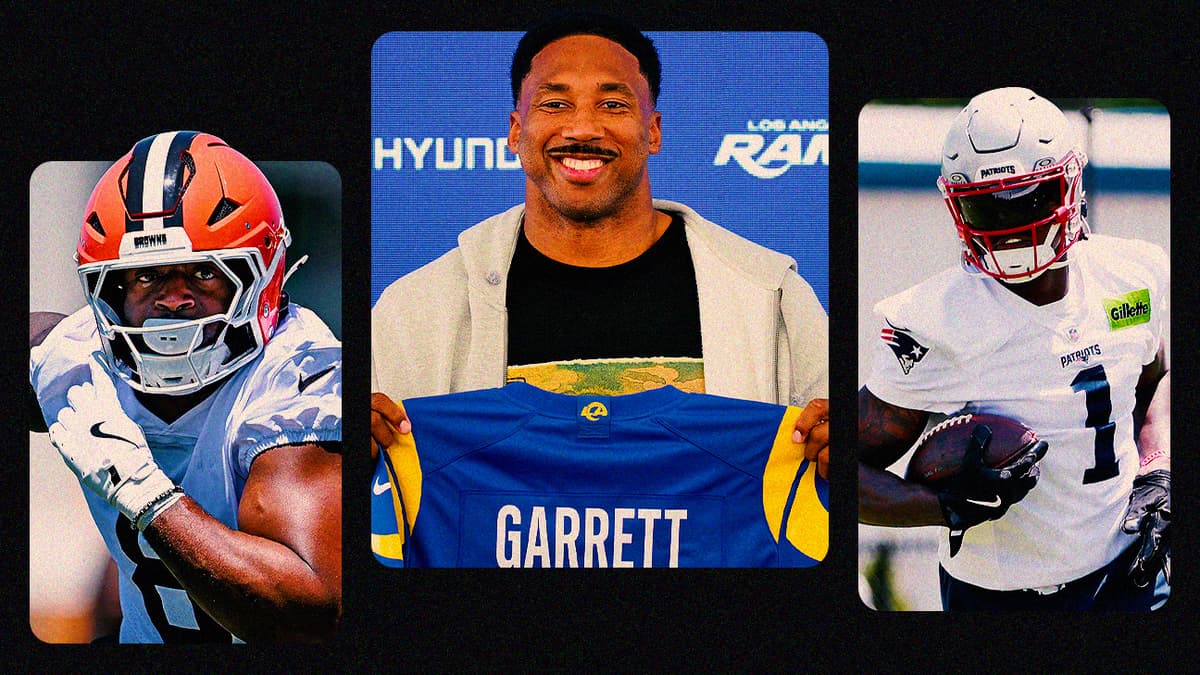
In the modern NFL, the date of June 1 has long been circled on the calendars of general managers and cap enthusiasts alike. However, June 1, 2026, will be remembered not as a day of administrative bookkeeping, but as the date the league’s landscape shifted on its axis. What began as a standard Tuesday morning quickly spiraled into a historic frenzy of NFL blockbuster trades, involving some of the biggest names in the sport, including Myles Garrett, AJ Brown, and Jared Verse.
The Financial Catalyst Behind the June 1 Frenzy
To understand why these NFL blockbuster trades occurred with such rapid-fire succession, one must look at the league's collective bargaining agreement. The June 1 designation is a critical mechanism that allows teams to spread the "dead money" hit from a player's contract over two seasons rather than absorbing the entire cap penalty at once. This financial flexibility turned the 2026 deadline into a pressure cooker for teams like the Cleveland Browns, Philadelphia Eagles, and Los Angeles Rams.
According to league executives, the groundwork for these deals had been laid weeks in advance. However, the specific timing was non-negotiable. By waiting until June 1, teams were able to maximize their cap space for the current season, allowing them to remain competitive while simultaneously pivoting toward a new organizational direction. This year, that pivot involved moving cornerstone franchise players in a way rarely seen in the professional era.
The Myles Garrett Shocker: A Defensive Era Ends in Cleveland
The most seismic move of the day involved the Cleveland Browns and their perennial All-Pro pass rusher, Myles Garrett. For years, Garrett was the face of the Browns' defense, a generational talent who redefined the edge rusher position. The decision to move him was described by one executive as "the hardest call a front office has had to make in a decade."
The trade, which reportedly involved the New England Patriots, signifies a massive shift in philosophy for both franchises. For Cleveland, it was about accumulating draft capital and clearing a path for a younger, more affordable core. For the Patriots, it was a clear signal that they are ready to return to defensive dominance. Coaches and scouts involved in the deal noted that the negotiations went down to the wire, with the final terms only being agreed upon in the early hours of June 1.
AJ Brown and the Eagles' Strategic Pivot
While the Garrett news was still sinking in, the Philadelphia Eagles dropped another bombshell by moving star wide receiver AJ Brown. Brown, who has been a dominant force in the NFC East, was a key component of the Eagles' recent Super Bowl runs. However, the complexities of the wide receiver market and the Eagles' long-term cap health necessitated a difficult decision.
Sources close to the Eagles' front office revealed that the trade was not a reflection of Brown’s performance, but rather a calculated move to maintain a balanced roster. By executing the trade on June 1, Philadelphia freed up significant resources that could be reallocated to their defensive secondary and offensive line. The move sent shockwaves through the locker room, with players expressing surprise at the departure of a team leader, even as they acknowledged the cold business realities of the NFL.
Jared Verse and the Rams' High-Stakes Gamble
Rounding out the day's major activity was a significant move involving Los Angeles Rams standout Jared Verse. As one of the league's rising stars on the defensive front, Verse represented the next generation of Rams excellence. His inclusion in the day's trade activities highlighted the aggressive nature of the current NFL marketplace.
The Rams have never been a franchise to shy away from bold moves, and the trade of Verse was no exception. By leveraging Verse's high trade value, the Rams were able to address multiple roster holes in a single afternoon. This "back-to-back" trade environment created a unique dynamic where one move directly influenced the next, as teams scrambled to react to the shifting talent pool.
Key Takeaways from the June 1 Trade Window:
- Financial Strategy: The post-June 1 designation remains the most powerful tool for cap management in the NFL.
- Roster Volatility: No player, regardless of stature, is truly "untouchable" when the right deal is presented.
- Competitive Balance: These trades have effectively recalibrated the power rankings in both the AFC and NFC.
The Aftermath: A New NFL Landscape
As the dust settles on these NFL blockbuster trades, the league looks vastly different than it did just 24 hours ago. The insights provided by more than 15 coaches, players, and executives paint a picture of a league that is more transactional and strategically fluid than ever before. For the fans, it is a reminder that the NFL offseason can be just as unpredictable and high-stakes as any Sunday in October. The impact of June 1, 2026, will be felt for seasons to come, as these new-look rosters prepare to take the field for training camp.
Sources & Original Reporting