The clock has officially struck midnight on the NFL franchise tag deadline, and the ripple effects are already being felt across the league. As front offices scrambled to secure their core talent before the start of free agency, several blockbuster decisions have redefined the market for 2026. From powerhouse running backs to elite vertical threats, the landscape of the upcoming signing period has been fundamentally altered by a series of strategic designations that will keep some of the game's brightest stars off the open market.
The Big Designations: Hall, Pickens, and Pitts Stay Put
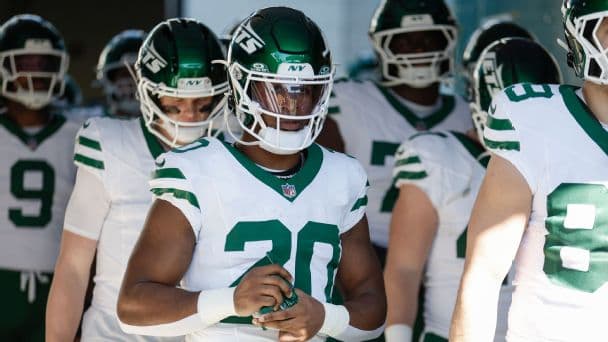
The most significant news of the day involves three of the league’s most dynamic offensive weapons. The New York Jets made the expected but vital move of placing the franchise tag on star running back Breece Hall. Hall has been the engine of the Jets' offense, and by utilizing the tag, New York ensures that their premier playmaker remains in the building while they continue to work on a long-term extension. For the Jets, losing Hall was never an option, as his dual-threat capability remains a cornerstone of their competitive window.
In the AFC North, the Pittsburgh Steelers sent a clear message to the rest of the league by applying the franchise tag to wide receiver George Pickens. After a season of explosive highlights and consistent production, Pickens has cemented himself as a true WR1. By tagging him, the Steelers prevent a bidding war on the open market, though it places a significant one-year cap hit on their books. This move ensures that the Pittsburgh air attack remains potent for the upcoming campaign and keeps a high-upside target away from rival suitors.
In Atlanta, the Falcons followed suit by tagging tight end Kyle Pitts Sr. The former high-draft pick continues to be a focal point for the Falcons' future. Despite various offensive shifts in recent years, Atlanta is betting on Pitts’ elite physical tools to lead their passing game. The move keeps Pitts from testing a market that is historically thin at the tight end position, making him one of the most expensive players at his spot for the 2026 season.
The Transition Tag Strategy: Daniel Jones and the Giants
While the franchise tag offers exclusive rights, the transition tag provides a different kind of leverage. The New York Giants opted for the transition tag on quarterback Daniel Jones. This designation allows Jones to negotiate with other clubs, but the Giants retain the right of first refusal to match any offer sheet he signs with another team.
This move highlights the complexity of the current quarterback market. By using the transition tag rather than the more expensive franchise tag, the Giants are essentially letting the market set the price for Jones. It is a calculated risk; if a rival team offers a massive contract, the Giants will have a difficult decision to make. However, it also provides a pathway to a long-term deal that reflects Jones's current market value without the immediate burden of the top-tier franchise salary.
Winners and Losers of the NFL Franchise Tag Deadline
Whenever the NFL franchise tag deadline passes, there are clear winners and losers both on the field and in the front office. One of the biggest winners of this cycle is Kenneth Walker III of the Seattle Seahawks. With other top-tier backs like Breece Hall being removed from the free-agent pool, Walker’s value as a premier back in the league increases. As the supply of elite running backs available to other teams dwindles, Walker remains a vital, high-value asset for Seattle's offensive strategy.
On the other side of the coin, teams like the Dallas Cowboys find themselves in a more complicated position. With stars like Pickens and Hall off the board, the pool of available elite talent has shrunk significantly just days before free agency begins. This scarcity forces teams to either overpay for secondary options or look toward the draft to fill immediate holes.
Similarly, the Indianapolis Colts and wide receiver Alec Pierce face a shifting landscape. As the market for secondary receivers fluctuates due to the tagging of stars like Pickens, players in Pierce's tier may see their roles and projected market impact change. For the Colts, the challenge remains balancing their roster depth while navigating a market where top-flight targets are no longer available for acquisition.
Key Takeaways for Free Agency
- Running Back Scarcity: With Breece Hall off the board, the price for remaining free-agent backs will likely see a significant spike as demand outweighs supply.
- Wide Receiver Market: George Pickens staying in Pittsburgh removes a top-flight target from the market, forcing WR-needy teams to pivot their strategies.
- Tight End Premium: Kyle Pitts Sr. being tagged reinforces the league's trend of paying premium prices for elite athletic outliers at the position.
As the legal tampering period approaches, these franchise tag decisions serve as the first major dominoes to fall. Teams that secured their stars now have clarity on their cap situation, while those who missed out must prepare for a frantic free agency period. The 2026 NFL offseason is officially in high gear.
Sources & Original Reporting