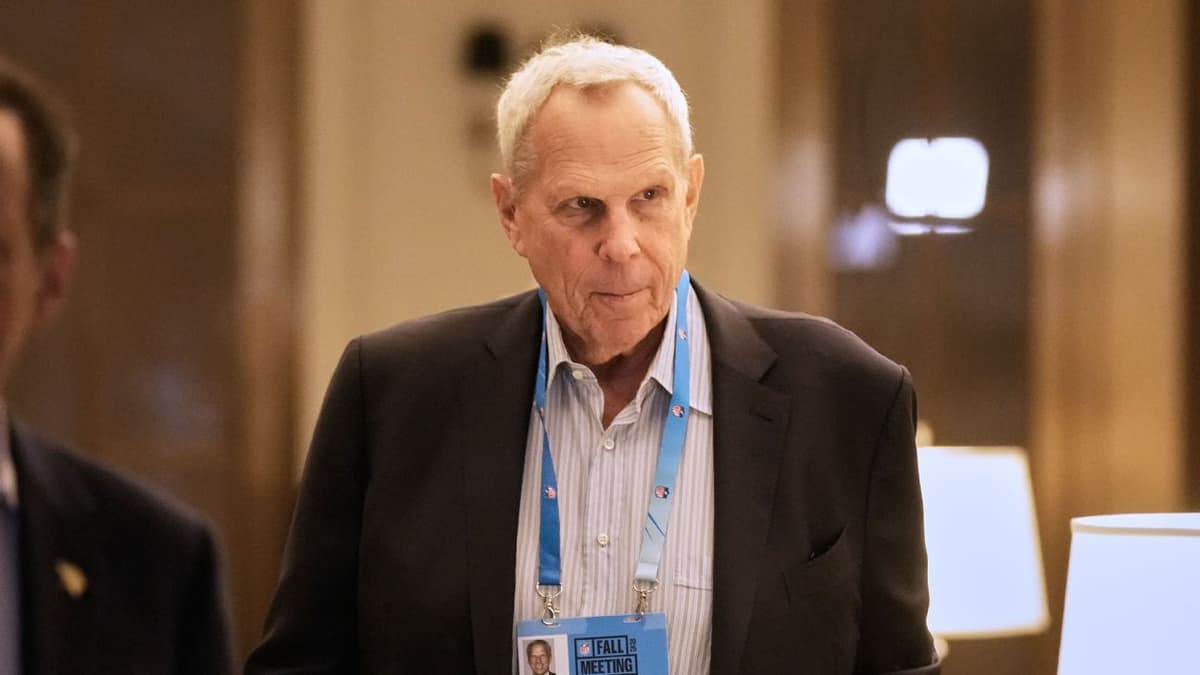
The New York Giants are currently navigating a sensitive off-field situation involving one of their primary leaders, co-owner Steve Tisch. Following reports of an injury that led to Tisch’s hospitalization, the league’s response has become a focal point of discussion. Sports columnist Dan Wetzel has raised significant questions regarding the transparency of the NFL investigation into Steve Tisch injury circumstances, suggesting that the league’s current "fact-finding mission" lacks the clarity fans and stakeholders expect from a multi-billion dollar organization.
The NFL’s Fact-Finding Mission Into the Steve Tisch Injury
When news broke that Steve Tisch, the 75-year-old Academy Award-winning producer and co-owner of the New York Giants, had been hospitalized, the initial concern was naturally for his health. However, as the days progressed, the narrative shifted toward the circumstances surrounding the incident. The NFL has confirmed that it is currently engaged in a "fact-finding mission" to determine the specifics of the event that led to Tisch’s medical emergency.
In the world of professional sports, "fact-finding" is often the precursor to a formal investigation. For the NFL, this process involves gathering statements, reviewing medical reports, and ensuring that all league protocols were followed. However, the lack of specific details released by the league office has created a vacuum of information. Wetzel argues that if the league has determined there is no foul play or violation of league policy, they should be proactive in stating that clearly to avoid unnecessary speculation.
Transparency and League Protocol
The NFL has a long-standing history of maintaining a tight grip on information involving its owners. Unlike players, who are subject to rigorous and often public disciplinary tracks, the handling of ownership issues often happens behind closed doors. The NFL investigation into Steve Tisch injury highlights a perceived double standard in how the league communicates health and safety issues involving top-level executives versus the rest of the personnel.
According to reports, the league's executives have been hesitant to provide a timeline or a detailed summary of their findings. This silence has prompted critics to ask why the league is being so guarded. If the injury was a straightforward medical or accidental issue, the standard procedure would typically involve a brief statement of support and a confirmation of the facts. The prolonged "fact-finding" phase suggests that there are still questions that the league office feels need answering before they can close the book on the matter.
Impact on the New York Giants Organization
For the New York Giants, a franchise that prides itself on stability and a "family-run" atmosphere, the uncertainty surrounding Tisch is a significant distraction. While John Mara handles much of the day-to-day football operations, Tisch has been a vital part of the organization’s identity since he took over his father’s stake in the team in 2005. His absence and the cloud of a league inquiry create an uncomfortable environment for a team trying to focus on a pivotal off-season.
The Giants organization has remained relatively quiet, deferring to the league's process. This strategy is common in the NFL, but it places the burden of proof on the league’s investigators. The longer the NFL investigation into Steve Tisch injury continues without a definitive statement, the more pressure builds on both the team and the league to provide a comprehensive update to the public and the media.
The Role of Ownership Conduct Policies
It is important to note that all NFL owners are subject to the league’s Personal Conduct Policy, which mandates that individuals associated with the NFL must refrain from conduct detrimental to the integrity of and public confidence in the league. While there has been no evidence presented to suggest a violation of this policy, the mere existence of a fact-finding mission indicates that the league is checking all boxes to ensure compliance.
The scrutiny applied here is part of a broader trend of increased accountability for NFL owners. In recent years, the league has had to navigate complex situations involving ownership in Washington, Carolina, and Denver. While the Tisch situation appears to be health-related, the league’s investigative machinery is now conditioned to react to any incident involving a primary stakeholder.
Conclusion: Waiting for Clarity
As Steve Tisch continues his recovery, the football world remains in a holding pattern. The call for transparency from voices like Dan Wetzel reflects a growing desire for the NFL to move away from its traditionally opaque methods of handling internal matters. Whether the league will provide the requested clarity or continue its quiet fact-finding remains to be seen. For now, the focus remains on the health of one of the league’s most prominent figures and the eventual conclusion of the league’s inquiry.
Sources & Original Reporting