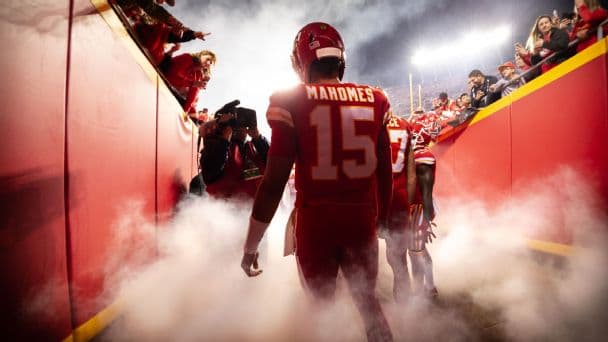
For decades, the NFL schedule was as predictable as the seasons: Sundays were for the bulk of the action, Mondays were for the marquee matchups, and eventually, Thursdays became the gateway to the weekend. However, the walls surrounding the traditional football calendar are crumbling. League officials recently confirmed that the success of NFL midweek games is driving a strategic shift toward more flexible scheduling, signaling a future where professional football could become a staple of the Tuesday and Wednesday television landscape.
The Data Behind the Shift to NFL Midweek Games
The move toward non-traditional playing days isn't a shot in the dark; it is a calculated response to massive viewership numbers. Hans Schroeder, the NFL’s executive vice president of media distribution, recently emphasized that the league’s scheduling decisions are dictated by the behavior of its audience. According to Schroeder, the league is simply "following fan interest" when it looks at expanding its footprint into the middle of the week.
The primary driver for this expansion is the undeniable pull of the NFL brand. While other professional sports leagues often struggle to maintain ratings during the workweek, the NFL has found that its fans will tune in regardless of the day. By analyzing NFL midweek games and their performance against traditional programming, the league has identified a significant growth opportunity that maximizes its reach beyond the standard weekend window.
The Christmas Day Precedent
The most significant litmus test for this strategy occurred during the 2024 season. Because Christmas Day fell on a Wednesday, the league was faced with a choice: skip the holiday or embrace a midweek schedule. They chose the latter, scheduling a high-profile doubleheader that featured some of the league's biggest stars. Despite the logistical challenges of a Wednesday game, the ratings were astronomical.
Schroeder noted that the success of the Christmas Day slate proved that the NFL can successfully navigate the "short week" concerns if the event is significant enough. The league’s ability to capture a massive audience on a Wednesday afternoon and evening served as a proof of concept. It demonstrated that as long as the matchup is compelling and the branding is strong, the day of the week is secondary to the content itself.
Strategic Focus on Holiday Windows
While fans might not see a Wednesday night game every week in October, the league is increasingly focused on "tentpole" moments. The NFL has identified holiday seasons as the perfect environment for NFL midweek games. These are periods when fans are traditionally home, looking for premium entertainment, and gathered with family.
Expanding the Holiday Reach
- Black Friday: The league has already successfully established a presence on the day after Thanksgiving.
- Christmas Midweek: As the calendar rotates, the NFL plans to keep Christmas games as a fixture, even when they fall on Tuesdays or Wednesdays.
- Global Markets: Midweek games also offer flexibility for international scheduling, allowing the league to hit different time zones without cluttering the Sunday afternoon domestic window.
Balancing Logistics and Player Safety
One of the most frequent criticisms of expanding the schedule into the middle of the week is the impact on player recovery and preparation. A Tuesday or Wednesday game necessitates a drastic shift in the standard six-day preparation cycle. However, league officials have pointed to the evolution of the Thursday Night Football package as a blueprint for how teams can adapt.
The NFL has worked to ensure that teams playing in these non-traditional windows are given adequate rest periods both before and after the games. By utilizing "mini-byes" and adjusting practice intensity, the league believes it can maintain the quality of play while satisfying the demand for more NFL midweek games. Schroeder and other executives remain adamant that any expansion will be handled with a focus on maintaining the competitive integrity of the sport.
What This Means for the Future of Broadcasting
The shift toward midweek games also changes the landscape for broadcasting partners. With streaming giants like Netflix and Amazon Prime Video becoming major players in the NFL media space, the demand for exclusive, mid-week content is at an all-time high. These platforms are uniquely positioned to handle non-traditional game times, as they are not beholden to the same rigid evening news or primetime lineups as traditional linear networks.
As the NFL continues to prioritize reach and fan engagement, the traditional "Sunday-only" mindset is quickly becoming a thing of the past. If the ratings continue to climb and fans continue to show up on Wednesdays, the midweek NFL experience may soon become the new normal for football fans everywhere.
Sources & Original Reporting