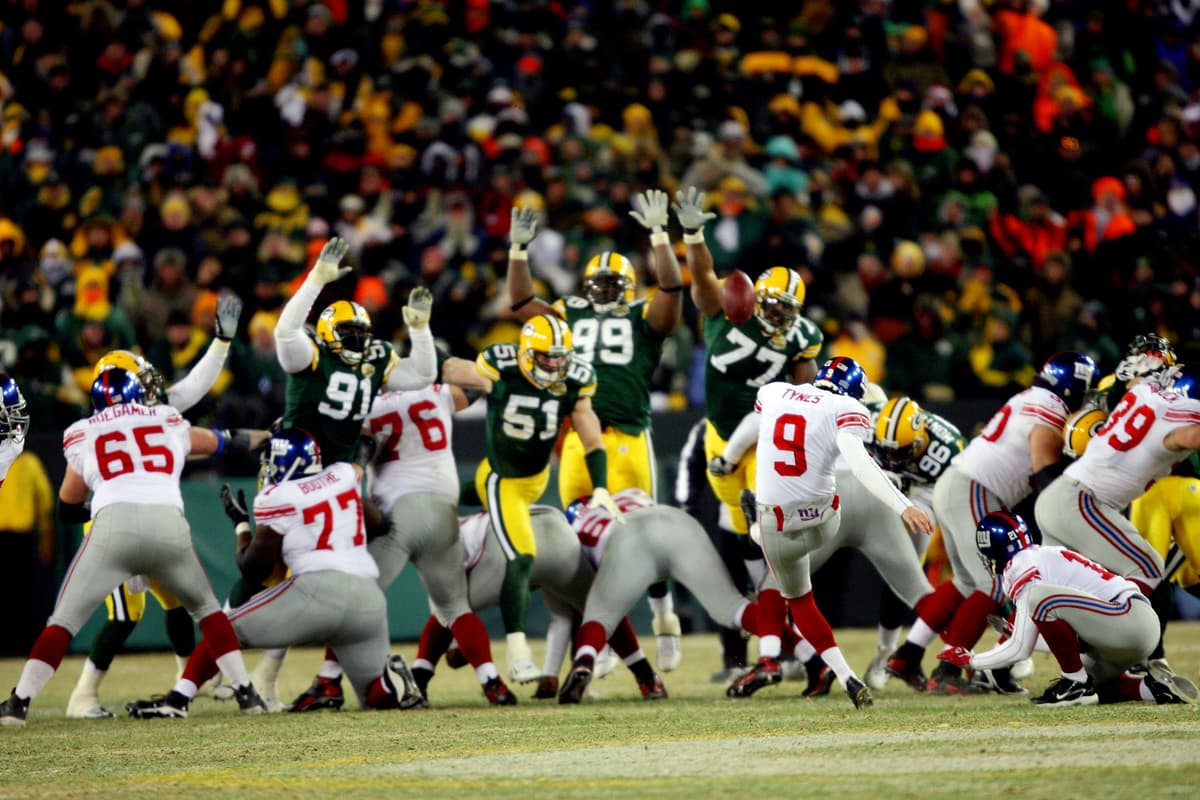
When the temperature drops and the wind begins to howl through stadiums in cities like Buffalo, Green Bay, and Chicago, the game of football transforms. As the 2026 NFL playoffs heat up, the weather is doing the exact opposite, forcing athletes to adapt to conditions that would send most people scurrying for the indoors. NFL player cold weather preparation has become a specialized science, blending high-tech equipment with old-school grit to ensure that performance doesn't freeze along with the sidelines.
The Physical Challenge of Sub-Zero Temperatures
For players on teams like the Kansas City Chiefs, Buffalo Bills, and Green Bay Packers, extreme cold is more than just an inconvenience; it is a physiological hurdle. When temperatures dip below freezing, the body’s natural reaction is to pull blood away from the extremities to protect vital organs. For an NFL player, this means losing the fine motor skills in their fingers and the explosive power in their legs.
To combat this, teams have invested heavily in sideline technology. Modern sidelines now feature custom-built heated benches and industrial-sized jet heaters that can raise the immediate ambient temperature by twenty degrees. Players often wear heavy-duty thermal capes when not on the field, designed to trap body heat and keep muscles from seizing up during the transition from the bench to the huddle.
Specialized Gear and the 'No-Sleeve' Philosophy
One of the most fascinating aspects of NFL player cold weather preparation is the choice of attire. While the Miami Dolphins or Tampa Bay Buccaneers might find themselves layering up when traveling north, many linemen and linebackers famously refuse to wear long sleeves. This isn't just a display of toughness; it is a tactical decision. Offensive and defensive linemen often prefer bare skin because fabric provides a surface for opponents to grab and hold, making it easier for a defender to be redirected.
Instead of sleeves, many players utilize a variety of skin-based solutions:
- Vaseline and Ointments: Players often coat their exposed skin in a thick layer of Vaseline. This acts as a windbreaker for the pores, preventing the stinging sensation of sub-zero gusts and helping to retain a thin layer of heat.
- Heated Hand Warmers: For quarterbacks and skill position players on the New York Jets or Pittsburgh Steelers, the "pouch" or muff worn around the waist is filled with chemical heat packs to keep throwing hands supple.
- Specialized Cleats: On frozen turf, traditional cleats can become like ice skates. Equipment managers for teams like the Chicago Bears often swap out standard studs for specialized "grass" or "turf" spikes that can penetrate the hardened ground.
Fueling for the Freeze: Nutrition and Hydration
Hydration remains a critical component of NFL player cold weather preparation, though it looks different than it does in the summer. In the heat, players crave cold electrolytes; in the freezing cold, the body often loses the sensation of thirst, leading to dangerous dehydration. Cold air is incredibly dry, and players lose significant moisture through respiration.
Nutritionists for teams like the Minnesota Vikings and New England Patriots often provide warm fluids on the sidelines. Chicken broth is a locker-room favorite during the winter months, as it provides necessary sodium and warmth without the sugar crash of some sports drinks. Maintaining core temperature through caloric intake is also vital, as the body burns significantly more energy simply trying to stay warm in the elements.
The Mental Battle in the Frozen Tundra
Beyond the physical preparations, there is a psychological element that teams like the Seattle Seahawks or San Francisco 49ers must face when traveling to a frozen venue. Coaches often emphasize that the cold is a "mindset." The Washington Commanders and New York Giants, playing in the often-unpredictable Northeast, utilize outdoor practice facilities throughout the week to acclimate their players to the biting air.
The goal is to reach a point where the environment becomes an advantage rather than a distraction. When a visiting team from a warm climate like the Houston Texans or Los Angeles Rams enters a stadium where the beards of the home team are literally freezing, the intimidation factor is real. By mastering their NFL player cold weather preparation, home teams turn the elements into a "twelfth man," using the cold to wear down the resolve of their opponents.
Conclusion: A Test of Survival and Skill
As we move deeper into the postseason, the ability to execute a game plan in the snow and ice will separate the champions from the also-rans. From the Cincinnati Bengals to the Denver Broncos, every team in the hunt knows that their season could come down to a single play in the freezing cold. Through a combination of modern science, specialized gear, and sheer mental fortitude, these athletes prove every year that football is a game for all seasons—no matter how low the mercury drops.
Sources & Original Reporting