The debate over playing surfaces in the National Football League has reached a new level of intensity. NFL Players Association (NFLPA) President JC Tretter has issued a clear mandate to the league: players are demanding NFL high-quality grass fields as the standard for every stadium. This latest push comes as the league prepares to host matches for the 2026 FIFA World Cup, a tournament that requires natural grass surfaces even in stadiums that traditionally use artificial turf.
Citing the disparity between how international soccer stars are treated compared to NFL athletes, Tretter pointed out that FIFA is essentially "rolling out the green carpet" for the World Cup. The union's argument is simple: if billionaire owners can install high-quality natural grass for a month-long soccer tournament, they can—and should—provide the same level of safety and performance for their own players year-round.
The FIFA Influence on Field Standards
The upcoming 2026 World Cup has inadvertently highlighted a logistical reality that the NFLPA has long championed. Several NFL venues, including MetLife Stadium, SoFi Stadium, and AT&T Stadium, currently utilize artificial turf. However, to meet FIFA’s stringent requirements for international competition, these venues will be required to install temporary or permanent natural grass systems.
Tretter’s comments underscore a growing frustration among the rank-and-file players. "FIFA was able to come in and say, 'We’re not playing on your surfaces. You’re going to put in high-quality grass,'" Tretter noted. The fact that these conversions are possible proves that the primary barriers to NFL high-quality grass fields are not technological or environmental, but rather financial and operational preferences of the team owners.
Prioritizing Player Safety and Injury Prevention
The core of the NFLPA's argument rests on player safety. For years, players have reported that artificial turf leads to more "wear and tear" on joints and a higher frequency of non-contact injuries. Data frequently cited by the union suggests that natural grass provides a more forgiving surface, allowing for cleats to release more easily, which can prevent catastrophic ligament tears in the knees and ankles.
While the NFL has previously pointed to data suggesting the gap between turf and grass injuries is narrowing, the players' subjective experience remains unchanged. The demand for NFL high-quality grass fields is not just about preference; it is about career longevity. High-profile injuries on turf surfaces have only fueled the fire, leading to a unified voice from the union that the status quo is no longer acceptable.
The Logistical and Financial Debate
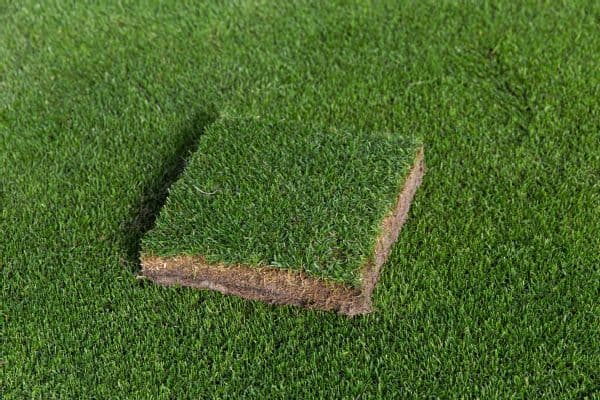
NFL owners often cite the difficulty of maintaining natural grass in cold-weather climates or in multi-purpose domed stadiums. However, the NFLPA argues that modern technology, such as advanced irrigation, UV lighting systems, and hybrid grass technologies, has made these excuses obsolete. The union points to European soccer leagues where high-quality grass is maintained in diverse climates throughout the winter months.
The financial investment required to maintain NFL high-quality grass fields is significant, but the NFLPA contends it is a small price to pay compared to the value of the athletes on the field. Tretter emphasized that the league has the resources to ensure every player competes on the safest possible surface, and the FIFA transition serves as the ultimate proof of concept.
A Call for Consistency Across the League
Currently, the NFL is a patchwork of different surfaces. Some teams, like the Green Bay Packers, use a hybrid system (natural grass reinforced with synthetic fibers), while others stick to pure natural grass or various brands of artificial turf. This inconsistency is a major point of contention for the NFLPA.
The union is calling for a universal standard that mirrors the "high-quality" benchmarks set by international bodies. By leveraging the momentum of the World Cup preparations, Tretter and the NFLPA hope to force a permanent change in how the NFL approaches stadium infrastructure. For the players, the goal is clear: a safer work environment that prioritizes their health over the convenience of stadium maintenance.
As the league moves closer to 2026, the pressure on the NFL to bridge the gap between FIFA's requirements and the NFL's daily reality will only continue to grow. The conversation is no longer about whether it can be done, but why it isn't being done for the players who drive the league's multi-billion dollar success.
Sources & Original Reporting