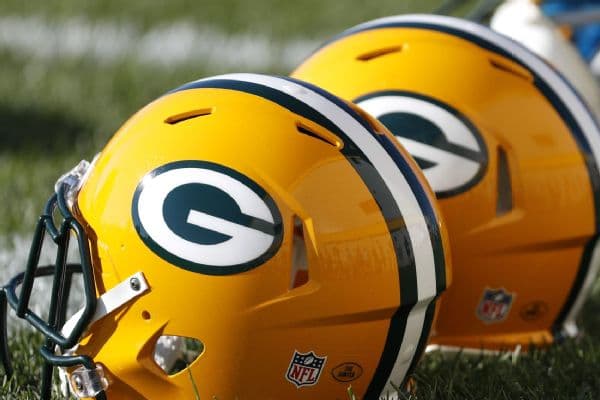
As the only community-owned team in major professional sports, the Green Bay Packers have long been the gold standard for small-market success. However, that status may be in jeopardy. On Tuesday, the organization released a pointed statement voicing its strong opposition to proposed changes to the Sports Broadcasting Act of 1961, warning that altering the decades-old law could pose an "existential threat" to the franchise's survival in Wisconsin.
What is the Sports Broadcasting Act of 1961?
To understand why the Green Bay Packers are so concerned, one must first understand the Sports Broadcasting Act (SBA). Enacted in 1961, this federal statute provides a limited antitrust exemption that allows professional sports leagues—most notably the NFL—to pool their individual teams' broadcasting rights and sell them as a single, league-wide package to national networks.
Before the SBA, teams were forced to negotiate their own television deals. This created a massive financial chasm between big-market teams in cities like New York and Los Angeles and small-market teams. The SBA leveled the playing field by enabling the NFL to negotiate massive contracts with broadcasters like CBS, NBC, and FOX, and then distribute that revenue equally among all 32 teams.
The Small-Market Argument: Why Green Bay Needs the SBA
For a team like the Packers, which operates in the smallest market in the NFL by a significant margin, the Sports Broadcasting Act is the bedrock of their financial stability. During a statement on Tuesday, the team emphasized that the current model is what allows them to remain competitive on the field with franchises that have much larger local revenue streams.
- Revenue Sharing: In the 2025 fiscal year, each NFL team received approximately $432 million in shared national revenue.
- Competitive Balance: This guaranteed income allows small-market teams to spend up to the salary cap, ensuring that the product on the field remains balanced.
- Local Viability: Without collective bargaining, the Packers would be forced to compete for local TV contracts in a market a fraction of the size of the Dallas Cowboys or Chicago Bears.
Aaron Popkey, the Packers’ director of public affairs, was blunt about the stakes. "It’s crucially important to the Green Bay Packers and how that structure has enabled the Packers to survive and even thrive as the smallest market in pro sports, by far," Popkey stated. He noted that any disruption to this model would fundamentally change the team's ability to exist in Green Bay as we know it.
The Political Battle in Washington
The sudden urgency from the Packers comes as the U.S. House Judiciary Committee, led by Wisconsin’s own Rep. Scott Fitzgerald, begins to scrutinize the Sports Broadcasting Act. A recent congressional report suggested that the NFL might be exceeding the scope of its antitrust exemption, particularly regarding the pricing of the "Sunday Ticket" package and the league's move toward exclusive streaming deals on platforms like Amazon Prime and Netflix.
While Rep. Fitzgerald has dismissed the Packers' concerns as "laughable," claiming that shared revenue is not directly at risk, the team remains skeptical. The organization argues that once the antitrust exemption is "tweaked" or weakened, the legal foundation for the entire collective media model could crumble, leading to a "free-for-all" where big-market teams hoard the majority of the league's wealth.
The Future of NFL Broadcasting
The debate over the Sports Broadcasting Act highlights the growing tension between traditional broadcasting models and the digital future. As fans complain about the rising costs of multiple streaming subscriptions to watch their favorite teams, lawmakers are looking for ways to increase consumer access. However, the Packers are reminding those lawmakers that the current system was designed to protect the very existence of teams in communities like Green Bay.
As this legislative battle moves forward, the Green Bay Packers have made it clear they will continue to lobby both state and federal representatives. For the fans in Titletown, the fight over the Sports Broadcasting Act isn't just about corporate revenue—it's about ensuring that the NFL remains a league where a small town in Wisconsin can still compete for Super Bowls.
Sources & Original Reporting