In a significant legal development following the tragedy that marred the Kansas City Chiefs 2024 Super Bowl celebration, prosecutors have officially dropped murder charges against one of the men involved in the shooting. The incident, which turned a day of city-wide celebration into a scene of chaos and mourning, has faced a complex path through the justice system, culminating in a sentencing on Monday that has sparked widespread discussion regarding state law and public safety.
Sentencing and the Decision to Drop Murder Charges
On Monday, a man who was originally facing a second-degree murder charge in connection with the Kansas City Chiefs parade shooting was sentenced to two years in prison. This sentence comes after prosecutors downgraded the charges, a move that significantly reduces the potential time the defendant will spend behind bars. The decision was not made lightly, as the shooting resulted in the death of local radio DJ Lisa Lopez-Galvan and left more than 20 others injured, including many children.
The prosecution's choice to drop the most severe charges reflects the difficulty of securing a conviction under the current legal framework. While the defendant was initially identified as a primary participant in the gunfire that erupted outside Union Station, the legal burden of proof required to overcome specific defense claims proved too high for the state to pursue the murder count effectively.
The Impact of Missouri’s Self-Defense Laws
According to statements from the prosecutor's office, the case was heavily "complicated" by Missouri’s existing self-defense laws. Missouri is known for having some of the most robust "Stand Your Ground" statutes in the United States, which allow individuals to use deadly force if they reasonably believe it is necessary to protect themselves or others from an imminent threat of death or serious physical injury.
In this specific instance, prosecutors noted that the exchange of gunfire involved multiple parties. Under the law, if a defendant can plausibly argue that they were returning fire or reacting to a perceived threat, it becomes exponentially more difficult for the state to prove murder beyond a reasonable doubt. The complexities of who fired first and the intent behind the actions were cited as the primary reasons why the Kansas City Chiefs parade shooting murder charge could not be sustained.
Recapping the 2024 Super Bowl Parade Tragedy
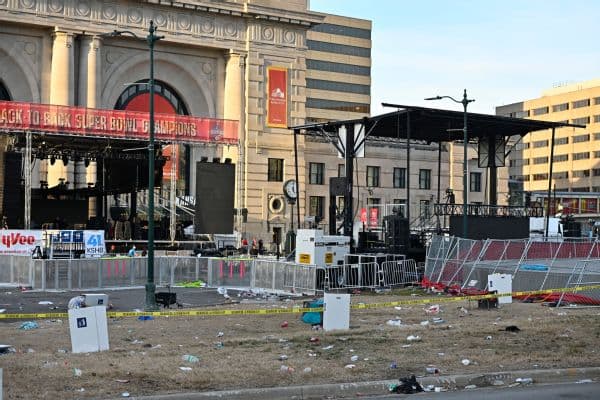
The shooting took place on February 14, 2024, just as the Kansas City Chiefs were concluding their victory parade to celebrate their win over the San Francisco 49ers in Super Bowl LVIII. What was supposed to be a historic moment for the franchise and its fans quickly dissolved into terror as shots rang out near the West side of Union Station.
- Casualties: One fatality (Lisa Lopez-Galvan) and 22 others wounded by gunfire.
- Attendance: An estimated 800,000 to 1 million people were in the downtown area.
- Response: Over 800 law enforcement officers were on duty at the event, leading to several quick apprehensions.
The event sent shockwaves through the NFL community and led to renewed calls for stricter security measures at large-scale public celebrations. For the city of Kansas City, the legal outcome of these cases is a critical component of the healing process.
Ongoing Legal Proceedings and Community Reaction
While the murder charge was dropped for this specific individual, the legal fallout from the Kansas City Chiefs parade shooting is far from over. Several other individuals, including both adults and juveniles, have faced various charges ranging from murder to weapons violations and resisting arrest. The community remains closely attuned to these developments, seeking accountability for the violence that disrupted one of the most significant moments in the city's sports history.
The two-year sentence handed down on Monday serves as a stark reminder of the challenges prosecutors face when high-profile violence intersects with broad self-defense protections. As the legal system continues to process the remaining defendants, the focus remains on the victims and the long-term impact this event has had on the safety protocols for future championship celebrations in the NFL and beyond.
Sources & Original Reporting