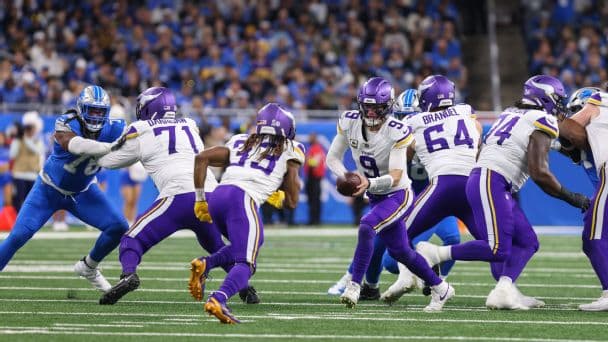
The Minnesota Vikings are currently navigating one of the most transformative offseasons in franchise history. At the center of this storm is interim General Manager Rob Brzezinski, a man long known as the NFL’s premier salary cap architect. While his title may include the word "interim," his actions in early March 2026 suggest a leader with a definitive, long-term mandate to fix the team's financial health. The Minnesota Vikings roster rebuild is no longer a theoretical concept; it is an active, aggressive restructuring designed to pull the organization out of a significant fiscal hole.
The Cap Architect and the $40 Million Deficit
For over two decades, Rob Brzezinski has served as the Vikings' Executive Vice President of Football Administration, quietly managing the complexities of player contracts. Now, thrust into the primary decision-making role, he is facing his most daunting challenge yet: a salary cap deficit exceeding $40 million. His early messaging has been clear—the team cannot move forward without first cleaning up the balance sheet.
Unlike a traditional GM who might prioritize immediate wins to secure a permanent job, Brzezinski is leaning into his strengths as a financial strategist. The Minnesota Vikings roster rebuild is being defined by a "financial reset," a period of austerity intended to create a sustainable foundation for the future. This strategy requires making difficult decisions regarding established veterans who, while productive, no longer fit the team's economic timeline.
Executing a Financial Reset: Moving on from Veterans
The most striking evidence of this new direction came this week with reports that several high-profile veterans have been notified of their impending release or trade. While these players were once considered core components of the roster, Brzezinski’s focus has shifted toward clearing massive veteran contracts to facilitate the team's long-term health.
- Aaron Jones Sr.: Despite his role as a locker room leader and offensive spark, the veteran running back has been notified that he is part of the team's salary cap purge. Moving on from Jones signals that the Vikings are prioritizing cap space over veteran presence in the backfield.
- Javon Hargrave: Once viewed as the benchmark for interior defensive line play, Hargrave is another casualty of the reset. His departure is a direct result of the team's need to shed high-priced contracts to address the $40 million deficit.
- Jonathan Allen: Reports indicate that Allen is also on the move, further emphasizing that no veteran contract is safe as Brzezinski works to align the team's spending with its current rebuilding status.
By moving on from these established stars, the Vikings are signaling a pivot from "retaining leadership" to "executing a financial reset." This aggressive approach is designed to ensure the team is not hamstrung by aging contracts as they enter a new competitive window.
The J.J. McCarthy Era: A Strategic Vision for the Future
Central to the Minnesota Vikings roster rebuild is the development of young talent, specifically at the quarterback position. Recent messaging from the NFL Combine has confirmed that J.J. McCarthy is the clear focus of the organization. By clearing the cap now, Brzezinski is effectively aligning the team’s financial resources with McCarthy’s rookie contract window.
The decision to purge high-priced veterans isn't just about saving money; it’s about creating a roster that can grow alongside their young quarterback. With McCarthy as the focal point, the Vikings are looking to build a younger, more cost-effective supporting cast. This alignment between the front office’s financial strategy and the coaching staff’s on-field vision is the cornerstone of the 2026 plan.
Prioritizing the 2026 NFL Draft
With free agency focused on departures and cap-clearing, the 2026 NFL Draft has become the primary vehicle for talent acquisition. Brzezinski has emphasized the importance of draft capital, viewing the upcoming class as the best opportunity to infuse the roster with high-upside players at a fraction of the cost of veterans.
The Vikings are expected to be disciplined during the draft, focusing on positions of need that were vacated during the veteran purge, such as the defensive line and the backfield. By hitting on mid-to-late-round picks, the Vikings can begin to replace the production of players like Hargrave and Jones while maintaining the fiscal flexibility that Brzezinski has worked so hard to restore.
Defining Success in the Rebuild
The "curious case" of an interim GM leading a total roster overhaul is rare in the NFL, but Brzezinski’s unique background makes him the ideal candidate for this specific task. Success for the Minnesota Vikings roster rebuild will not be measured by wins in September 2026, but by the health of the salary cap and the depth of the young talent surrounding J.J. McCarthy by the end of the year.
By making the hard choices now—moving on from fan favorites and proven veterans—Brzezinski is paving the way for a rapid ascent in the NFC North. The path forward is one of football pragmatism and financial discipline, ensuring that when the Vikings are ready to compete again, they have the resources to stay at the top.
Sources & Original Reporting