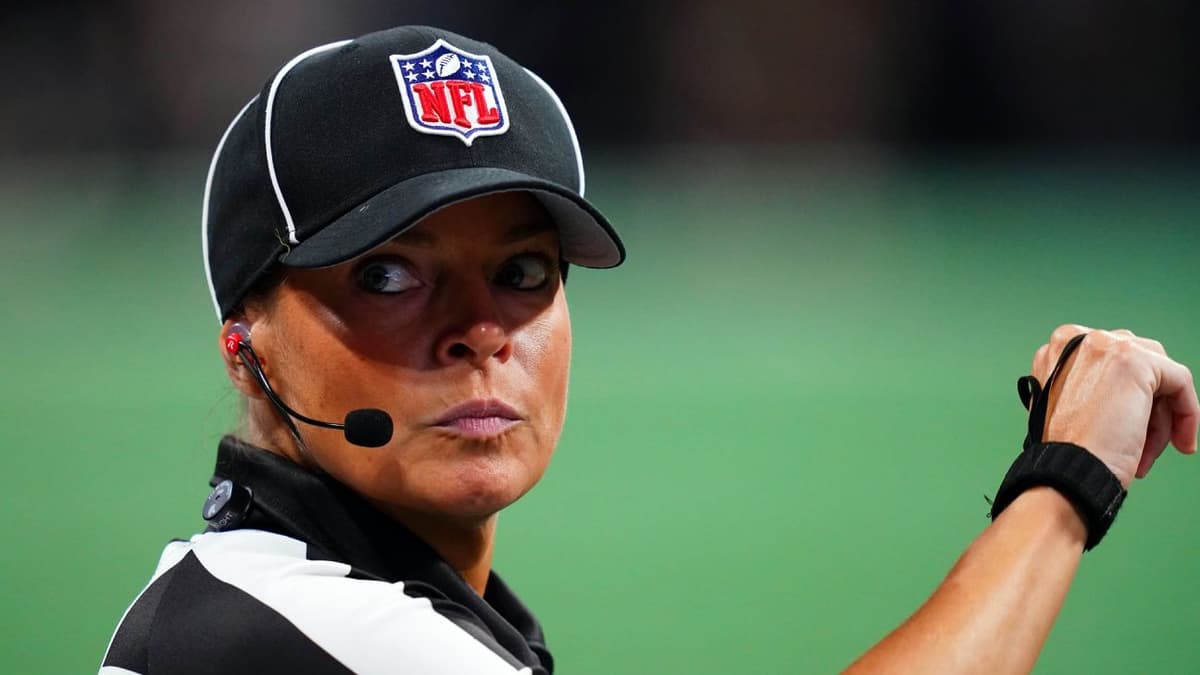
The National Football League’s efforts to diversify its officiating ranks have hit a significant legal hurdle. Robin DeLorenzo, who made history as one of the first women to officiate at the professional level, has officially filed a lawsuit against the league. The legal action follows her termination in 2025 and brings forth serious allegations regarding the culture and treatment of female officials within the NFL.
The Robin DeLorenzo lawsuit seeks both reinstatement to her position as an official and compensatory damages for what she describes as a hostile work environment. According to the filing, DeLorenzo’s tenure was marked by “gender-based scrutiny, humiliation, and open hostility,” suggesting that her performance was evaluated through a different lens than that of her male counterparts. This case marks a pivotal moment for the league, which has spent the last decade publicly championing the inclusion of women in on-field roles.
Allegations of a Hostile Work Environment
In the legal complaint, DeLorenzo outlines a series of grievances that paint a picture of a workplace where female officials were allegedly set up for failure. The lawsuit claims that DeLorenzo was subjected to a level of oversight and criticism that was not applied to male officials with similar or lesser performance metrics. The filing specifically mentions that she faced “open hostility” from within the officiating department, which she claims ultimately led to her firing after the 2024-2025 season.
Key points of the legal claim include:
- Gender-Based Scrutiny: Allegations that her mistakes were highlighted more aggressively than those of male officials.
- Humiliation: Claims of being belittled by supervisors in front of peers.
- Hostile Environment: A workplace culture that DeLorenzo describes as being resistant to female integration at the highest levels.
DeLorenzo, who served as a down judge, argues that her termination was not based on objective performance but was instead the culmination of a discriminatory environment. The lawsuit asserts that the NFL’s internal evaluation systems were weaponized against her to justify her removal from the field.
The Path to the NFL and the Robin DeLorenzo Lawsuit
Before reaching the NFL, Robin DeLorenzo had built an impressive resume in the collegiate ranks. She spent several seasons officiating in the Big Ten Conference, one of the most prestigious and high-pressure environments in college football. Her promotion to the NFL was initially seen as a landmark achievement for the league’s officiating development programs.
DeLorenzo was part of a small, trailblazing group of women—including Sarah Thomas and Maia Chaka—who broke the gender barrier in NFL officiating. However, the lawsuit suggests that while the league celebrated these hires publicly, the internal support systems were lacking. The Robin DeLorenzo lawsuit contends that the league failed to provide an equitable environment for her to succeed, despite her extensive experience at the Power Five level of college football.
Seeking Reinstatement and Damages
The legal filing is not merely about financial compensation; it is a direct challenge to the NFL’s employment practices. DeLorenzo is seeking to be reinstated to her position, a move that would force the league to re-integrate her into the officiating roster. Additionally, the suit seeks damages for lost wages, benefits, and the emotional distress caused by the alleged humiliation and hostility she endured.
The NFL has historically maintained that its officiating evaluations are based on a strict, play-by-play grading system designed to ensure the highest level of accuracy on the field. While the league has not yet released a detailed public response to the specific claims in the DeLorenzo filing, they typically defend termination decisions as performance-based moves intended to maintain the integrity of the game.
The Broader Impact on NFL Officiating
This lawsuit comes at a time when the NFL is under constant pressure to improve the quality and consistency of its officiating. The departure of a veteran official under these circumstances raises questions about the league's retention strategies for diverse talent. If the case proceeds to trial, it could force the NFL to disclose internal grading sheets, communication logs between supervisors, and other sensitive documents regarding how officials are ranked and retained.
As the legal process unfolds, the sports world will be watching closely to see how the NFL addresses these claims of systemic bias. For DeLorenzo, the suit represents a fight for her career and a demand for accountability within one of the most powerful organizations in professional sports. The outcome could have lasting implications for how the NFL manages its officiating staff and its stated goals of gender equity on the gridiron.
Sources & Original Reporting