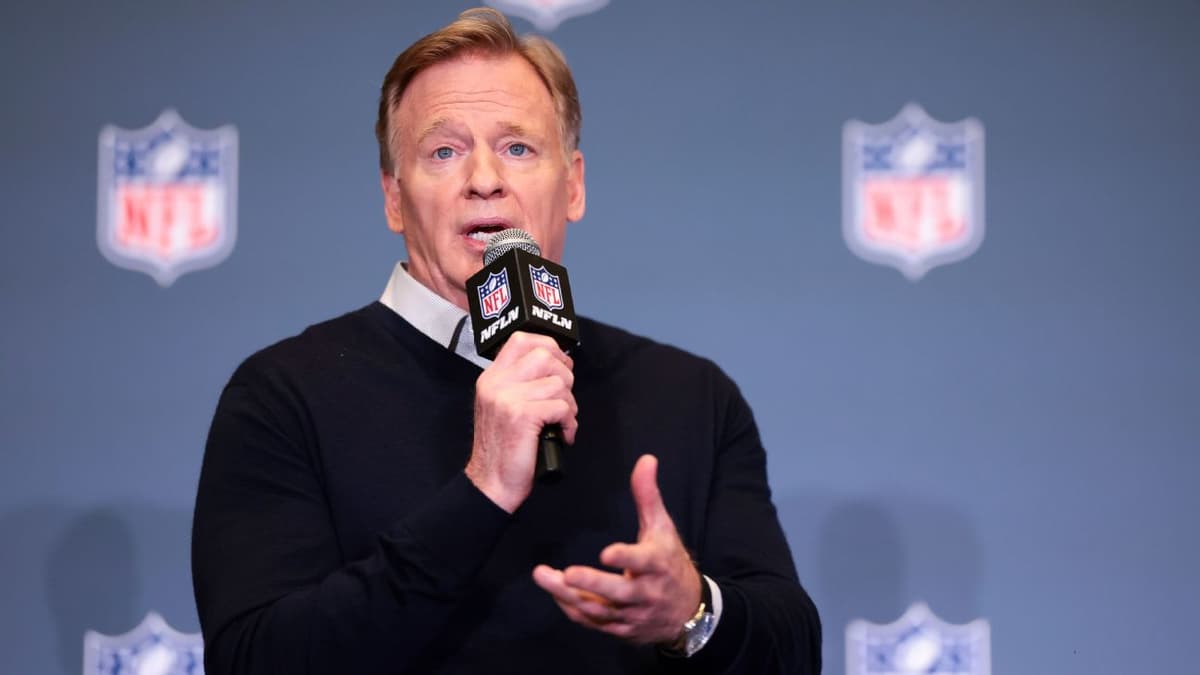
The intersection of professional sports and federal oversight has hit a significant roadblock. Roger Goodell, the Commissioner of the National Football League, has officially declined to testify before Congress next week. The scheduled hearing was set to scrutinize the league's recent NFL broadcasting deals and the controversial shift toward placing high-profile games behind various streaming paywalls.
The Growing Friction Between the NFL and Lawmakers
The decision by Goodell to skip the testimony comes at a time when fans and lawmakers alike are expressing frustration over the fragmentation of sports media. Over the last two seasons, the NFL has aggressively expanded its digital footprint, moving beyond traditional broadcast networks like CBS, NBC, and FOX to embrace exclusive partnerships with digital platforms. While these moves have been lucrative for the league's owners, they have created a complex and often expensive landscape for the average viewer.
Congress has taken notice of this shift, particularly after the record-breaking viewership of the exclusive Peacock playoff game and the announcement of Christmas Day games moving to Netflix. The primary concern for the committee is whether the NFL is honoring the spirit of its long-standing antitrust exemptions while simultaneously making it harder for the general public to access "free" over-the-air broadcasts.
The Evolution of NFL Broadcasting Deals
The current landscape of NFL broadcasting deals is defined by a staggering $110 billion in media rights spread across a decade. While the bulk of the Sunday afternoon slate remains on traditional television, the league has carved out specific windows for tech giants. This includes:
- Amazon Prime Video: The exclusive home of Thursday Night Football.
- Peacock: Host of the first-ever exclusive live-streamed NFL playoff game.
- Netflix: The new destination for the league's high-profile Christmas Day doubleheaders.
- YouTube TV: The exclusive provider of the NFL Sunday Ticket package.
For many fans, following their favorite team now requires a rotating door of monthly subscriptions. Lawmakers are questioning if this "pay-to-play" model for fans constitutes a breach of the public trust, especially given the public subsidies often provided for the stadiums where these games are played.
Why the Commissioner is Staying Away
While the NFL has not provided an exhaustive list of reasons for Goodell's absence, it is common for high-ranking executives to send legal counsel or specialized vice presidents to handle technical inquiries regarding media rights. However, the optics of the Commissioner declining to speak directly to the committee are notable. It suggests a league that is confident in its legal standing but perhaps wary of the political theater that often accompanies such hearings.
The league's defense of these NFL broadcasting deals has remained consistent: they are following the audience. With "cord-cutting" on the rise among younger demographics, the NFL argues that it must establish a presence on streaming platforms to ensure the long-term viability and growth of the sport. They maintain that the majority of games remain available on broadcast television, and that local markets still receive free access to their home team's games, even when those games are nationally exclusive to a streamer.
The Future of Sports Media and Regulation
The absence of Goodell at the hearing does not mean the pressure will subside. If anything, it may embolden lawmakers to look closer at the Sports Broadcasting Act of 1961. This piece of legislation provides the NFL with the antitrust exemption necessary to sell its broadcast rights as a collective, rather than team-by-team. Some members of Congress have suggested that this exemption should be contingent on certain levels of free accessibility for the public.
As the NFL continues to push the boundaries of sports media, the tension between maximizing revenue and maintaining broad fan access will only intensify. Whether through legislative action or market pressure, the way we consume football is changing, and the NFL broadcasting deals signed today will dictate the fan experience for the next decade.
For now, the league continues its march toward a digital-first future, even if its top executive isn't ready to discuss the details under the bright lights of a Congressional hearing room. Fans will be watching closely—provided they have the right subscription, of course.
Sources & Original Reporting