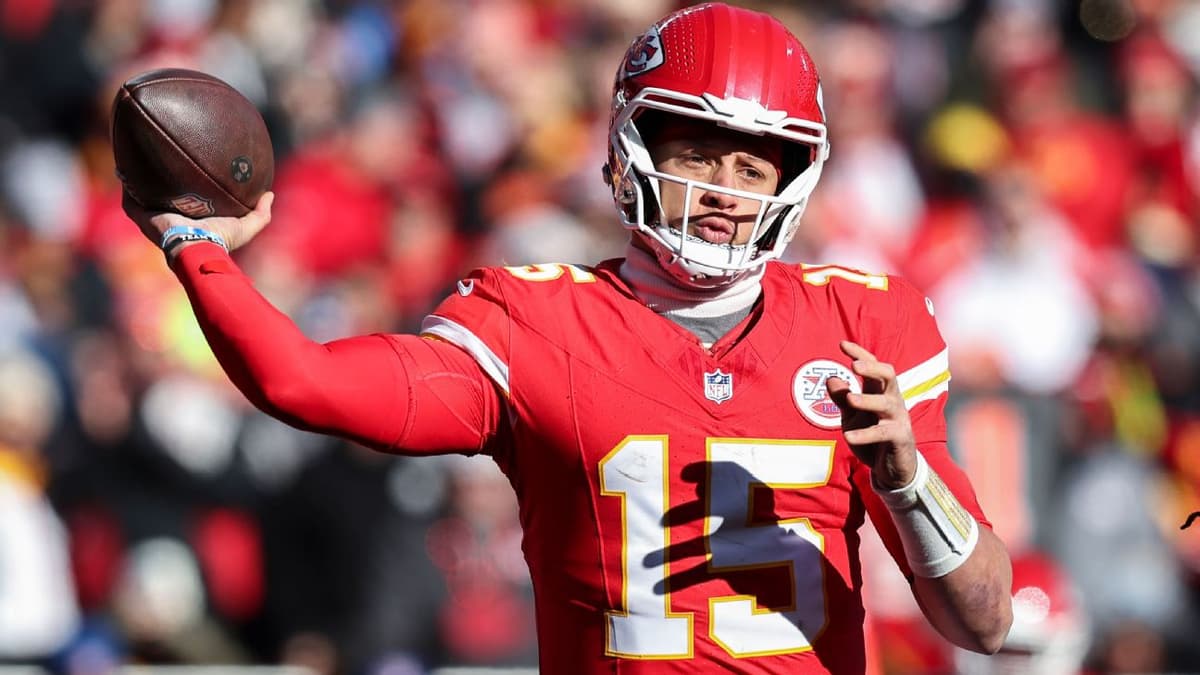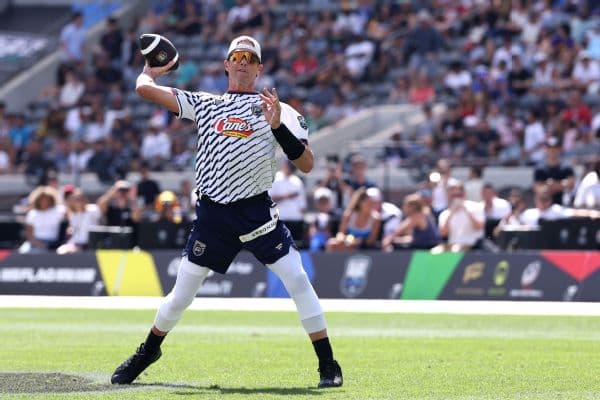
The road to the 2028 Los Angeles Olympics is already generating significant buzz, particularly with the inclusion of flag football as a medal sport. While fans and several high-profile athletes have expressed excitement about the possibility of professional stars competing on the global stage, Denver Broncos head coach Sean Payton is offering a sobering reality check. Payton recently shared his insights, stating that he would be surprised to see a significant influx of NFL players in flag football representing the United States in the near future.
The Nuances of the Flag Football Game
Payton's skepticism isn't born from a lack of faith in NFL talent, but rather from a deep appreciation for the specific skill sets required for the flag version of the sport. Having experienced the game first-hand while coaching at the Pro Bowl, Payton noted that the transition from tackle football to flag football is far more complex than it appears on the surface. The nuances of the game—ranging from the lack of traditional line play to the specific mechanics of flag pulling—create a different competitive environment than the one found on Sundays in the NFL.
According to Payton, the speed and spatial awareness required in flag football differ significantly from the 11-on-11 tackle game. In the NFL, players are trained to use their bodies to initiate contact, set edges, and tackle through an opponent. In flag football, those instincts can actually be a hindrance. The precision required to grab a thin strip of fabric from a sprinting athlete's hip requires a different type of hand-eye coordination and body control that isn't naturally developed in a league defined by heavy contact.
Technical Barriers for NFL Players in Flag Football
One of the primary hurdles Payton identified is the sheer difference in the rules and field geometry. Flag football is often played on a shorter, narrower field with fewer players, which places a premium on lateral agility and short-area quickness. While NFL stars like Tom Brady or Tyreek Hill possess world-class athletic traits, the specific conditioning and tactical discipline of flag football are currently being mastered by specialists who play the game year-round.
"I think it’s a different game," Payton remarked when discussing the potential crossover. He highlighted that the United States already has a dedicated national flag football team comprised of athletes who have spent years perfecting the specific strategies of the sport. These players understand the timing of the pass rush (which is often delayed or restricted) and the intricate defensive schemes that rely on flag-pulling efficiency rather than physical intimidation.
The 2028 Olympic Roster Dilemma
The conversation regarding NFL players in flag football has intensified as the 2028 Los Angeles Games approach. While the NFL has expressed public support for the growth of the sport and the inclusion of its players in the Olympics, the logistics remain a major concern. Beyond Payton's concerns about the skill gap, there are also issues regarding injury risk, contract insurance, and the timing of the Olympic Games, which typically fall during the heat of NFL training camps.
Payton’s comments suggest that the "Dream Team" scenario—where the best NFL players simply show up and dominate—might be a fantasy. If the U.S. wants to secure a gold medal, they may find that the current flag football specialists are better equipped to handle the international competition than NFL players who are trying to learn a new discipline on the fly. The Broncos coach believes that the specialized nature of the sport will ultimately dictate who makes the cut, rather than just the name on the back of the jersey.
Looking Ahead to the Future of the Sport
Despite his skepticism regarding immediate crossover, Payton remains a supporter of the sport’s growth. The Denver Broncos coach recognizes that flag football serves as an essential entry point for youth participation and international expansion of the NFL brand. However, when it comes to the highest level of competition, he remains firm in his stance that the two versions of football are distinct entities.
As the 2028 Olympics draw closer, the debate will undoubtedly continue. Will the lure of Olympic gold be enough to convince NFL teams to release their stars? Or will Sean Payton’s prediction hold true, leaving the flag football world to the specialists who have already mastered its unique demands? For now, the Broncos head coach is betting on the specialists, reminding everyone that even for the best athletes in the world, some transitions are harder than they look.
Sources & Original Reporting