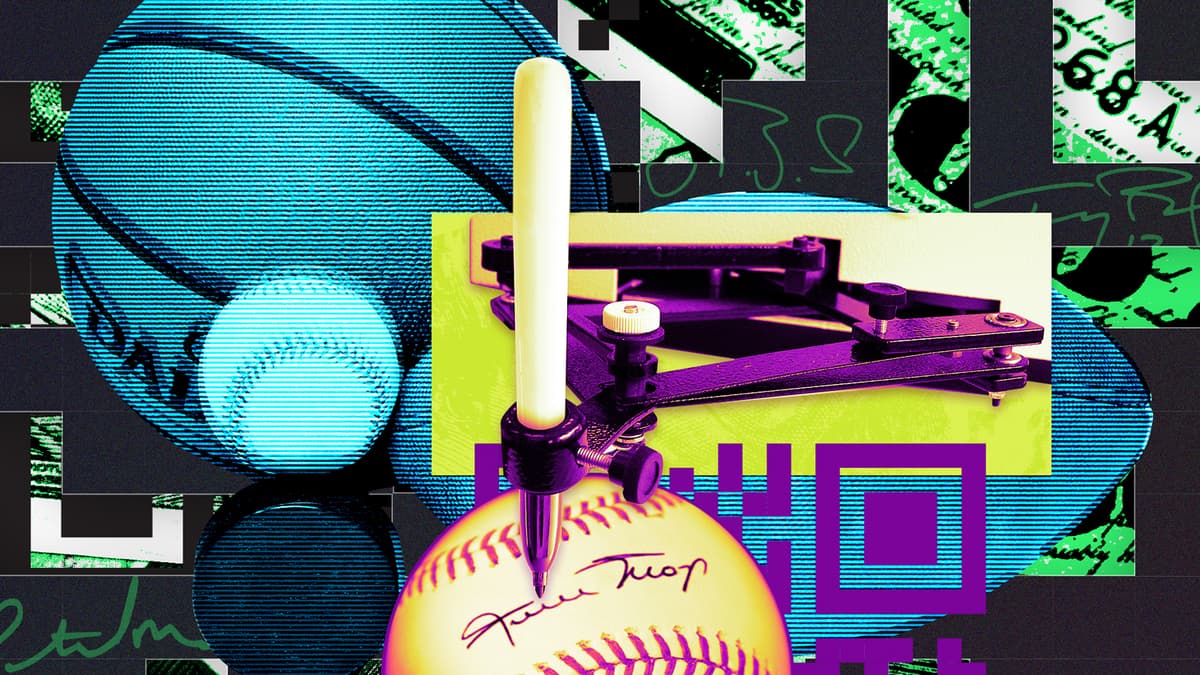
The sports memorabilia market has exploded into a multi-billion dollar industry, attracting everyone from casual fans to institutional investors. However, as the value of game-worn jerseys, rare trading cards, and historical equipment reaches record highs, the threat of sports memorabilia fraud has become a primary concern for the entire ecosystem. To protect the integrity of the market, collectibles companies are now engaged in a high-stakes arms race against increasingly sophisticated fraudsters.
The Evolving Landscape of Sports Memorabilia Fraud
For decades, the standard for authenticity was a simple paper certificate. Today, that is no longer enough. Fraudsters have moved beyond crude forgeries, now utilizing advanced printing technology and even manipulating the physical materials of jerseys to mimic authentic game-worn items. This shift has forced industry leaders to rethink how they verify the history of an object.
One of the most significant challenges facing the industry is the rise of "Frankenstein" items—collectibles that combine genuine components with counterfeit ones. For example, a fraudster might take a genuine jersey from a specific era and add fake patches or signatures to increase its perceived value. Detecting these discrepancies requires a level of forensic analysis that goes far beyond a simple visual inspection.
Advanced Authentication Tactics and Technology
To combat sports memorabilia fraud, authentication companies are leaning heavily into modern technology. The days of relying solely on an expert's eye are fading, replaced by data-driven verification methods that provide a permanent digital record of an item's journey.
- Forensic Photo-Matching: This is currently the gold standard for game-worn equipment. Authenticators use high-resolution photography to match unique characteristics—such as loose threads, specific mesh patterns, or scuff marks—from a piece of memorabilia to photos of the athlete during a specific game.
- Synthetic DNA Tagging: Some companies are now applying invisible synthetic DNA to items at the moment they are signed or used. This creates a unique biological signature that can be verified later with a specialized scanner, making it nearly impossible to replicate.
- Blockchain and Digital Passports: By creating a digital twin of a physical item on the blockchain, companies can track the chain of custody. This ensures that every time a piece of memorabilia changes hands, its history is recorded in an immutable ledger.
The Role of Major Grading and Authentication Houses
Industry giants like PSA (Professional Sports Authenticator), Beckett, and SGC have become the gatekeepers of the hobby. Their shift in tactics involves not just looking at the item itself, but monitoring the market for suspicious patterns. These companies now employ investigators who track known fraudsters and monitor online auction platforms for red flags.
Furthermore, companies like Fanatics and Meigray have established direct partnerships with professional leagues like the NFL and NHL. By collecting items directly from the locker room or the field, they eliminate the "middleman" risk, ensuring that the provenance is established from second one. This "source-to-shelf" model is becoming the preferred method for high-end collectors who want absolute certainty in their investments.
How Collectors Can Protect Their Investments
While the industry is doing more than ever to stop sports memorabilia fraud, the responsibility also falls on the consumer to perform due diligence. Experts suggest that collectors should focus on the "three pillars" of authentication: provenance, physical characteristics, and third-party verification.
Provenance refers to the documented history of the item. If a seller cannot explain where the item came from or provide a clear chain of ownership, it should be treated as a major red flag. Additionally, collectors are encouraged to only purchase items that have been slabbed or stickered by reputable third-party authenticators who offer online database verification.
As the market continues to grow, the tactics used by fraudsters will undoubtedly continue to evolve. However, with the integration of forensic science and digital tracking, the sports memorabilia industry is better equipped than ever to protect the history of the games we love and the investments of those who cherish them.
Sources & Original Reporting