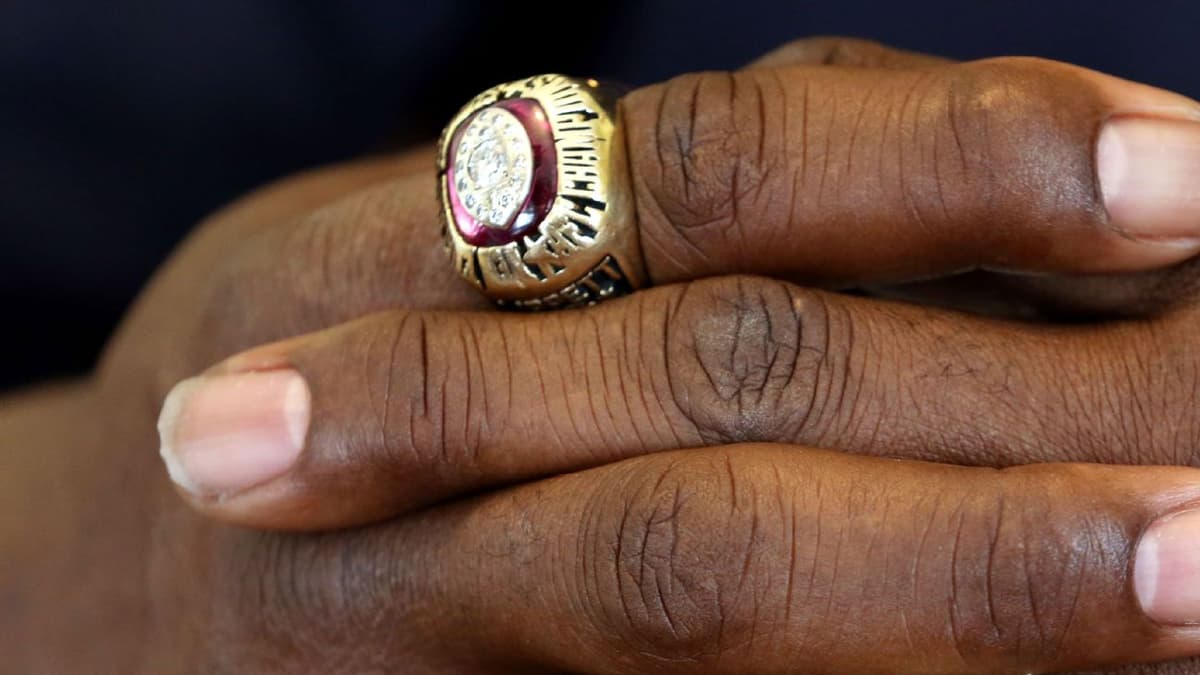
In the high-stakes world of professional football, the difference between immortality and a footnote is often decided in a single sixty-minute window. While the Lombardi Trophy remains the ultimate obsession for every franchise, the Super Bowl runner-up rings—officially known as Conference Championship rings—occupy a complicated and often divisive space in NFL locker rooms. For some, these diamond-encrusted pieces of jewelry are a symbol of being one of the two best teams on the planet; for others, they are a glittering reminder of a job left unfinished.
The Psychology of Super Bowl Runner-Up Rings
The NFL is a league defined by a "championship or bust" mentality. This culture creates a unique paradox for the Super Bowl runner-up rings. When a team wins the AFC or NFC Championship, they have achieved something that 30 other teams failed to do. However, because that victory is immediately followed by the ultimate loss in the Super Bowl, the physical reward for the conference title often carries a bittersweet sting.
Players across the league share mixed opinions on these sparkly consolation prizes. Some athletes view them as a milestone in a long career, a tangible piece of evidence that they reached the pinnacle of the sport, even if they didn't summit the final peak. Others find the sight of the rings so painful that they never leave the box. The sentiment often depends on where a player is in their career and the specific culture of the franchise they represent.
Varying Perspectives: From Ty Okada to Coby Bryant
The internal debate over the value of these rings is evident when speaking to players like Ty Okada, Coby Bryant, and Anthony Bradford. These athletes, who have navigated the intense pressures of the NFL, highlight the spectrum of emotion attached to the jewelry. For a young player or a rookie, a conference championship ring might represent the greatest achievement of their professional life to date. It serves as a reminder of the hard work required to win a conference title—a feat that many Hall of Fame players never accomplished.
However, as players mature and the expectations of their teams rise, the luster of a runner-up ring can fade. Coby Bryant and his peers understand that in the NFL, history tends to remember the winners. This creates a dynamic where the rings are often relegated to the back of a safe or a closet shelf. Anthony Bradford and others in the trenches know the physical toll it takes to reach that stage, making the lack of a final victory even harder to swallow when looking at a ring that says "Conference Champion" instead of "World Champion."
A Legacy of Silver: The Buffalo Bills and New England Patriots
Few franchises understand the weight of the Super Bowl runner-up rings better than the Buffalo Bills. The Bills' legendary run of four consecutive Super Bowl appearances in the 1990s resulted in four AFC Championship rings but zero Lombardi Trophies. For those players, the rings represent a period of unprecedented dominance in the conference, yet they are forever linked to the disappointment of the final game. In Buffalo, those rings are a testament to a golden era, even if they aren't the gold the city craved.
Contrast this with the New England Patriots or the Kansas City Chiefs. In dynasties led by figures like Tom Brady or Patrick Mahomes, the standard is so high that a conference championship is often viewed merely as a stepping stone. In these organizations, a runner-up ring can feel like a participation trophy. When a team is accustomed to winning it all, the jewelry for second place often ends up collecting dust, as the players' eyes are already fixed on the next season's championship run.
The Financial Reality of the Consolation Prize
Beyond the emotional weight, there is a significant financial aspect to these items. While they may not be the "Big One," Super Bowl runner-up rings are still high-value items crafted with gold and real diamonds. Some of these rings fetch big bucks on the secondary market, especially those belonging to high-profile players or those from iconic seasons. Collectors often seek out these pieces as rare artifacts of NFL history.
Despite their market value, the decision to sell or keep a ring is a personal one. For some former players, selling the ring provides a financial windfall or a way to move on from the memory of a loss. For others, no amount of money can replace the physical proof of the journey they took with their teammates. Whether they are worn with pride, hidden in a drawer, or sold to the highest bidder, these rings remain one of the most unique and debated traditions in professional sports.
Conclusion: A Symbol of the Journey
Ultimately, the Super Bowl runner-up rings serve as a permanent record of a team's journey. They represent the grueling 17-game regular season and the high-pressure environment of the playoffs. While they may not carry the same prestige as a Super Bowl ring, they stand as a testament to the fact that for one season, a group of men was better than almost everyone else in the world. Whether a player cherishes it or hides it, the ring is a part of their legacy that can never be taken away.
Sources & Original Reporting