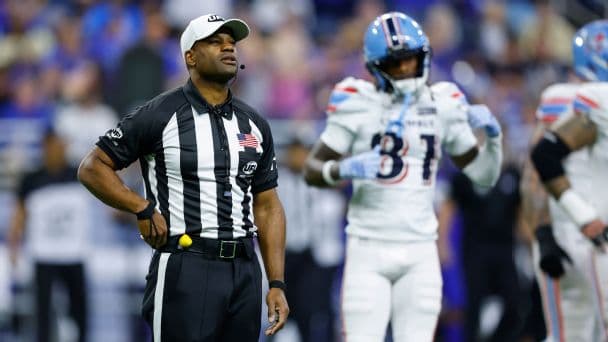
In the high-stakes world of professional football, few things ignite fan frustration like a controversial call that remains unexplained until hours after the final whistle. The United Football League is taking a bold step to eliminate this ambiguity. By prioritizing UFL referee transparency through real-time, in-game interviews, the league is attempting to bridge the gap between complex officiating decisions and the understanding of the viewing public. This initiative represents a significant shift in how professional sports manage the narrative surrounding rules enforcement and officiating accuracy.
The Philosophy Behind UFL Referee Transparency
The core objective of the UFL’s decision to implement in-game referee interviews is to provide immediate clarity. According to league officials, these in-game discussions are designed to help focus post-game conversations on the actual competition between the players rather than the officials' calls. By explaining the logic and the specific rule application at the moment the decision is made, the league aims to eliminate the hours of speculation that typically follow a contested flag.
This approach to UFL referee transparency acknowledges a long-standing frustration among football fans: the lack of immediate communication from the officiating crew. In traditional settings, fans and broadcasters are often left to guess the reasoning behind a call until a pool reporter can speak with the head official long after the game has concluded. The UFL’s model flips this script, making the officials an active part of the broadcast narrative in a way that clarifies the “why” behind the whistle while the action is still fresh.
Real-Time Clarity for an Eight-Team League
The mechanics of these interviews involve direct communication between the officiating department and the broadcast team. When a pivotal or complex call is made on the field, officiating experts provide real-time insights into the review process. This level of access is a primary pillar of the league's identity for the 2026 season, ensuring that the focus remains on the skill and strategy of the athletes.
For the league's eight active franchises, this transparency ensures that the outcome of high-stakes matchups is understood by fans in real-time. Whether it is a catch-no-catch ruling or a complex pass interference penalty, the immediate explanation helps de-escalate the tension that often arises from officiating ambiguity. This system is currently in place for all league matchups involving the following teams:
- Birmingham Stallions
- Columbus Aviators
- Dallas Renegades
- DC Defenders
- Houston Gamblers
- Louisville Kings
- Orlando Storm
- St. Louis Battlehawks
Shifting the Post-Game Narrative
Perhaps the most significant benefit of increased UFL referee transparency is the change it effects on the post-game environment. Historically, coaches and players have spent significant portions of their press conferences fielding questions about officiating errors. The UFL aims to move toward a reality where those questions are redundant because the explanation has already been provided during the heat of the action.
By addressing the calls during the game, the UFL allows the post-game analysis to center on the performance of the athletes. When the conversation stays on the competition, the league can better market the skill and athleticism of its players. This is particularly important for the growth of the league's stars in new and established markets alike, from the Louisville Kings to the St. Louis Battlehawks. Providing an official explanation during the broadcast also prevents misinformation from spreading on social media, ensuring the league's perspective is the first one heard.
A Blueprint for the Future of Football
The UFL’s commitment to transparency is not just about the current season; it serves as a potential blueprint for other professional leagues. While other levels of football have introduced various forms of replay communication, the UFL’s direct-to-referee access during the broadcast is a bold step forward. The league's 8-team structure allows it to serve as a streamlined testing ground for these technological and procedural advancements.
As the season progresses, the sports world will be watching closely to see if this increased transparency leads to higher fan satisfaction and a reduction in officiating-related controversies. If the UFL succeeds in making the “referee interview” a standard and valued part of the football experience, it may only be a matter of time before other major sports leagues follow suit, prioritizing clarity and competition over the traditional silence of the officiating booth.
Sources & Original Reporting