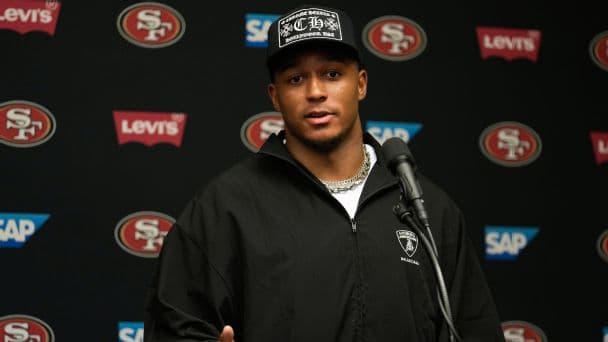
In a move that has sent ripples across the NFL, the Kansas City Chiefs have officially traded All-Pro cornerback Trent McDuffie. This blockbuster decision marks one of the most significant roster shifts for the defending champions in recent years, signaling a commitment to a long-term strategy that prioritizes financial flexibility and draft capital over individual star power. While the departure of a lockdown corner is always a risk, the Chiefs trade Trent McDuffie with a clear historical precedent in mind: the successful transition following the Tyreek Hill trade years ago.
The Strategic Logic: Managing the Salary Cap
The primary driver behind the Chiefs trade Trent McDuffie is the looming reality of the NFL salary cap. McDuffie, a First-Team All-Pro selection, has established himself as one of the premier defensive backs in the league. With his rookie contract nearing its conclusion, the Chiefs were faced with a choice: sign him to a market-setting extension or capitalize on his massive trade value. By moving him now, General Manager Brett Veach ensures that the team avoids a top-heavy salary structure that could hamper their ability to surround Patrick Mahomes with a deep, competitive roster.
The Chiefs have consistently demonstrated a willingness to part with elite talent if the price of retention threatens their overall depth. In the modern NFL, balancing the books while paying a generational quarterback requires making difficult decisions at premium positions like cornerback. The assets acquired in this trade will provide the Chiefs with the ammunition needed to address multiple holes in the roster during the upcoming NFL Draft and free agency period. This forward-thinking approach is what has allowed Kansas City to remain at the pinnacle of the league while other teams struggle with aging, expensive rosters.
Replicating the Tyreek Hill Blueprint
History often repeats itself in Kansas City. The last time the Chiefs traded away a player of McDuffie's caliber, many analysts predicted the end of their dominant run. Instead, the trade of Tyreek Hill to the Miami Dolphins provided the draft picks necessary to rebuild the defense and offensive line, leading the team to three consecutive Super Bowl appearances. The Chiefs trade Trent McDuffie follows this exact blueprint, proving that the organization values the system over any individual contributor outside of the quarterback position.
By prioritizing the "greater good" of the roster over a single defensive star, the Chiefs are betting on their ability to identify and develop young talent. The front office believes that the draft picks gained in this transaction will allow them to find the next generation of contributors who can play at a high level on rookie-scale contracts. This cycle of "draft, develop, and trade" has become a hallmark of the Brett Veach era, keeping the Chiefs' championship window open longer than many experts ever expected.
The Impact on Steve Spagnuolo’s Defense
Losing a player like Trent McDuffie is undoubtedly a blow to Defensive Coordinator Steve Spagnuolo’s unit. McDuffie’s ability to play both inside and outside, combined with his elite tackling and coverage skills, made him a cornerstone of the Chiefs' secondary during their recent championship runs. However, Spagnuolo has a proven track record of maximizing the potential of various defensive back groupings. The Chiefs have found success with mid-round picks in the past, and the coaching staff likely feels confident in their ability to coach up new arrivals.
Without McDuffie, the Chiefs may shift their defensive philosophy to rely more heavily on their front-four pass rush. If the trade assets are used to bolster the defensive line or add speed to the linebacker corps, the overall efficiency of the defense could remain high, even without a singular lockdown presence on the perimeter. The focus will now turn to the remaining veterans in the secondary to step into leadership roles and fill the void left by the All-Pro corner. The Chiefs trade Trent McDuffie forces a reorganization, but it is one the team is well-prepared to handle.
Future Outlook and the 2026 NFL Draft
The Chiefs trade Trent McDuffie sets the stage for a fascinating offseason. With additional high-value draft picks in their pocket, Kansas City is now in a position to be aggressive. Whether they use those picks to move up in the first round or to acquire multiple starters to fill depth roles, the flexibility gained from this trade is immense. For fans, while it is difficult to see a homegrown star leave, the track record of this front office suggests that there is a methodical plan in place to ensure the team remains a Super Bowl contender.
As the NFL landscape continues to evolve, the Chiefs remain one step ahead by making the moves that other teams are often too hesitant to pull the trigger on. The departure of McDuffie is the end of an era for the young cornerback in Kansas City, but it may very well be the catalyst for the next phase of the Chiefs' ongoing dynasty. All eyes will now be on the draft board to see how Veach and the scouting department choose to spend their newly acquired capital to keep the trophy in Kansas City.
Sources & Original Reporting