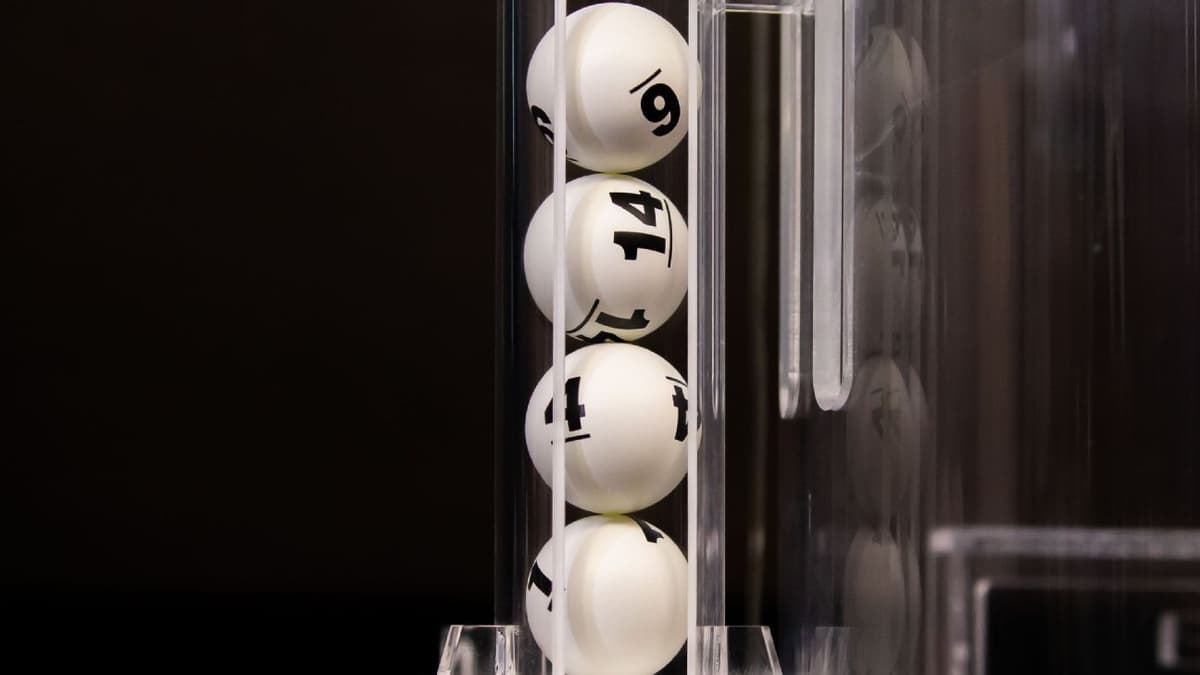
For the 16 NHL teams that fell short of the Stanley Cup Playoffs, the most significant date on the calendar isn't a game night—it is the day of the NHL Draft Lottery. This high-stakes event determines the future of franchises, potentially delivering a generational talent that can alter the trajectory of a struggling team for a decade or more. As we approach the 2026 selection process, the anticipation is at an all-time high for fanbases hoping for a franchise-altering stroke of luck to land the next great superstar.
Understanding the NHL Draft Lottery requires a deep dive into weighted odds, specific movement restrictions, and the logic behind the league’s quest for competitive balance. Whether you are a fan of a rebuilding squad or just a hockey enthusiast, here is everything you need to know about how the lottery works and which teams are positioned to win big in 2026.
How the NHL Draft Lottery Works
The NHL Draft Lottery is a weighted system used to determine the order of selection for the first 16 picks in the first round of the NHL Draft. The participants are the 16 teams that did not qualify for the postseason. While the system is designed to give the worst-performing teams the best chance at the top pick, it is not a guarantee that the team with the fewest points will pick first.
The league conducts two separate drawings. The first drawing determines the winner of the No. 1 overall pick, and the second drawing determines the winner of the No. 2 overall pick. Once those two spots are settled, the remaining 14 teams are assigned picks 3 through 16 based on the inverse order of their regular-season points. This ensures that even if a team doesn't win a top-two spot, their draft position remains relatively tethered to their performance during the season.
The 10-Spot Jump Rule
A significant rule remains in place for the 2026 cycle: a team can only move up a maximum of 10 spots in the draft order if they win one of the lottery drawings. This means that only the bottom 11 teams in the standings have a mathematical chance to secure the No. 1 overall pick. If a team ranked 12th to 16th wins the lottery, they simply move up 10 spots from their original position. For example, if the 14th-ranked team wins, they would move to the 4th pick, and the No. 1 pick would remain with the team with the worst record (or the next eligible lottery winner).
The Two-Win Limit
To discourage perpetual "tanking," the NHL also maintains a rule stating that a team cannot win the lottery more than twice in a five-year period. This ensures that the same teams do not dominate the top of the draft board year after year, promoting a more equitable distribution of elite talent across the league and forcing organizations to find ways to improve beyond just relying on lottery luck.
2026 NHL Draft Lottery Odds: Calgary and Toronto in the Top Five
The odds are heavily weighted toward the teams that finished the regular season with the fewest points. For the 2026 cycle, the Vancouver Canucks enter the lottery with the best individual odds at 25.5% to land the top selection. However, the race for the top five has shifted significantly as the final standings have solidified.
According to the official lottery seedings for May 5, 2026, the Calgary Flames and Toronto Maple Leafs have secured vital positions in the top five. The Flames hold the 4th best odds at 9.5%, while the Maple Leafs sit in the 5th spot with an 8.5% chance at the No. 1 overall pick. These percentages represent a massive opportunity for both Canadian franchises to add elite young talent to their rosters.
Here is the breakdown of the top five teams and their chances at the No. 1 pick for 2026:
- Vancouver Canucks: 25.5%
- Chicago Blackhawks: 13.5%
- New York Rangers: 11.5%
- Calgary Flames: 9.5%
- Toronto Maple Leafs: 8.5%
While the Canucks hold the statistical advantage, history has shown that long shots can and do win. However, the 10-spot restriction prevents a team like the 16th-place finisher from jumping all the way to the top, keeping the most elite talent within reach of the teams that need it most in the 2026 rankings.
Top Prospects: The Gavin McKenna Prize
The NHL Draft Lottery is particularly scrutinized when there is a clear-cut prize at the top. For the 2026 draft, that prize is undoubtedly Gavin McKenna. Following a historic season at Penn State, McKenna is widely considered the consensus No. 1 overall prospect. A dynamic forward with elite playmaking abilities and exceptional speed, McKenna is viewed as a generational talent who could step into an NHL lineup and provide an immediate impact.
Beyond McKenna, the 2026 draft class features several high-end prospects that teams will be eager to secure in the top five:
- Ivar Stenberg: A highly skilled Swedish forward with exceptional offensive creativity and a lethal shot that makes him a power-play threat.
- Logan Hensler: A mobile, modern defenseman known for his two-way play and ability to eat heavy minutes against top-tier competition.
- Viggo Bjorck: A powerful European center who brings a physical presence alongside a high hockey IQ and reliable defensive play.
- Caleb Desnoyers: A versatile forward with a high motor who excels in all three zones and projects as a future core leader.
Why the Lottery Matters
The NHL Draft Lottery is more than just a procedural event; it is a moment of hope for fanbases that have endured difficult seasons. Securing a top-two pick doesn't just provide a talented player; it provides a centerpiece to build a culture around. As the Vancouver Canucks, Calgary Flames, and Toronto Maple Leafs look to secure a new face for their respective franchises, the 2026 lottery represents the ultimate turning point.
As the ping-pong balls bounce, the future of the NHL's landscape hangs in the balance, proving that in professional hockey, sometimes the biggest wins happen off the ice in a lottery room.
Sources & Original Reporting