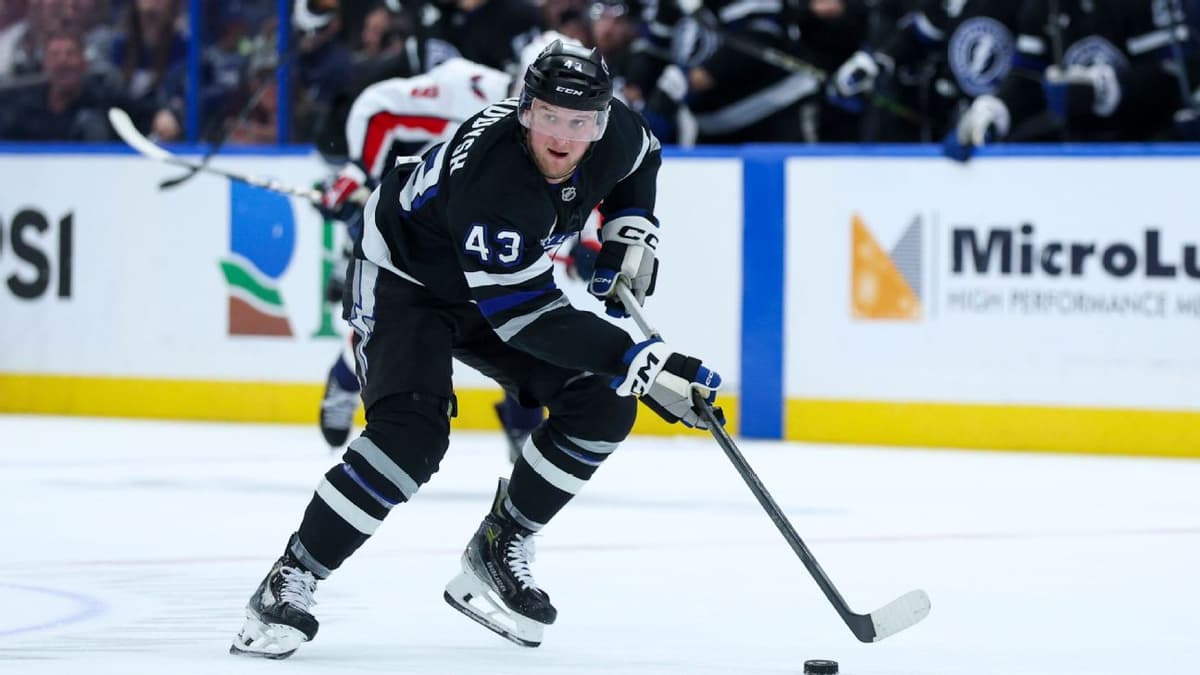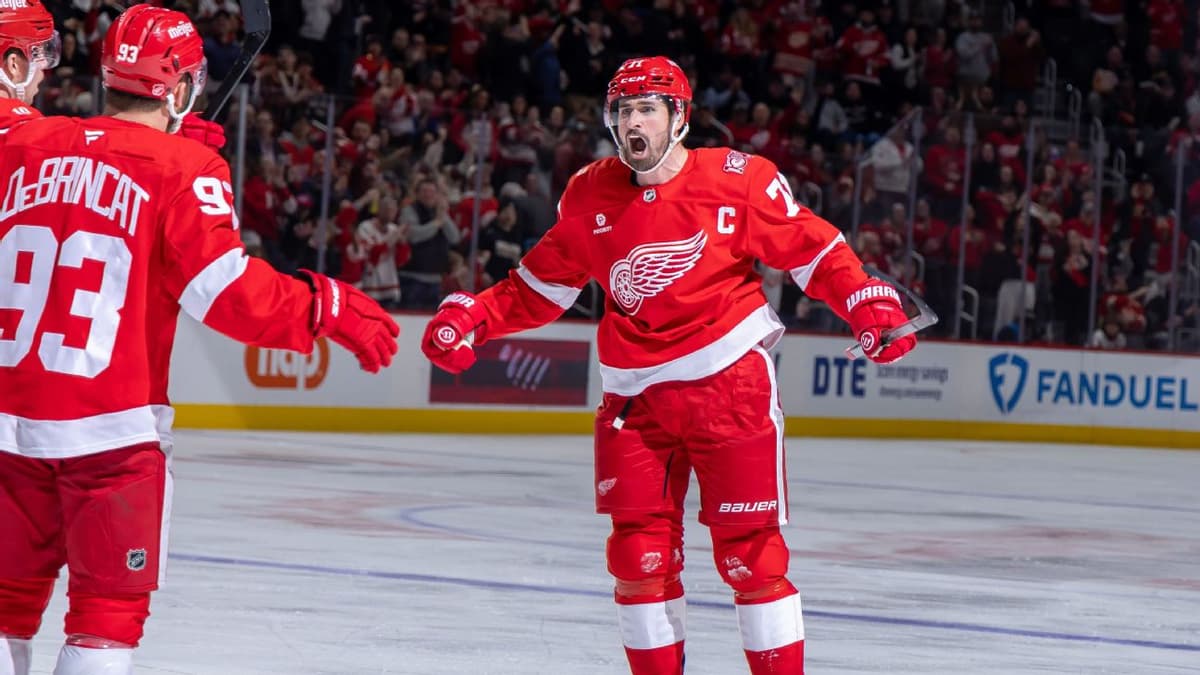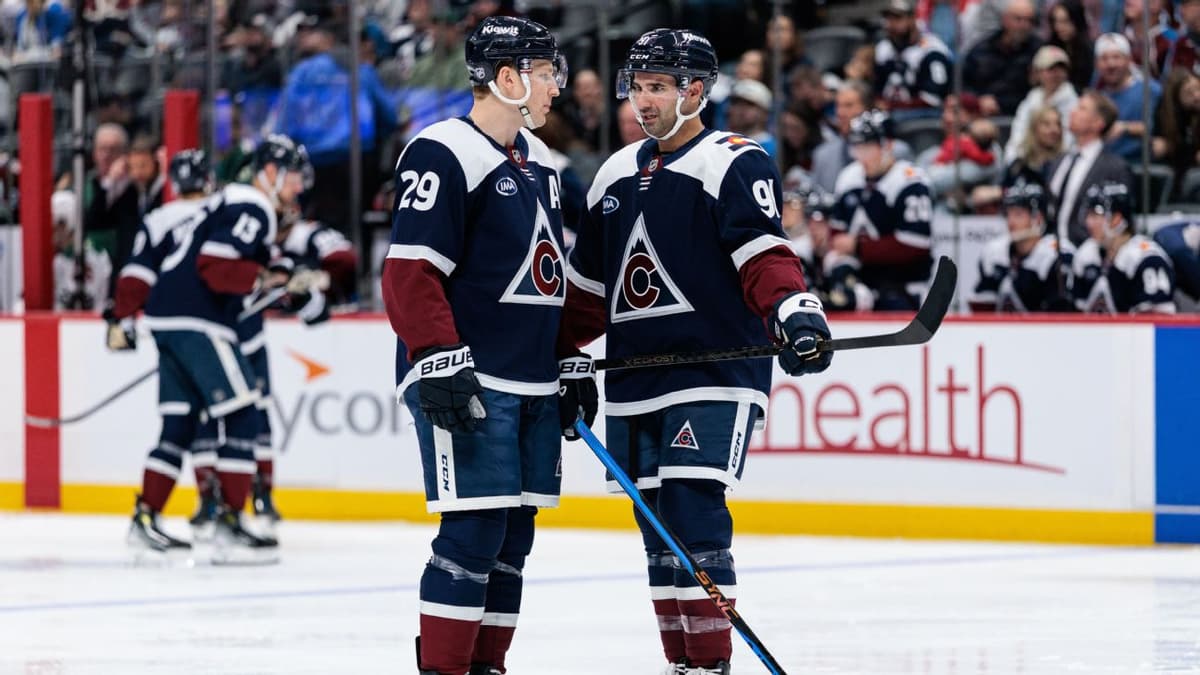
The dust has finally settled on the 2026 NHL Trade Deadline, leaving the hockey world in a state of collective shock and excitement. As the final buzzers sounded and the trade calls were processed by the league office, a flurry of activity transformed rosters across the NHL. In the immediate aftermath of such a chaotic week, the sports landscape is naturally flooded with instant analysis, bold predictions, and inevitable hyperbole. However, separating the legitimate shifts in power from the temporary noise is essential for understanding how the rest of the season will unfold.
Evaluating the 'All-In' Contenders
One of the most common takeaways from the 2026 NHL Trade Deadline is that the teams who spent the most draft capital are now the undisputed favorites for the Stanley Cup. While adding elite talent certainly improves a roster, the history of the deadline is littered with aggressive buyers who failed to find chemistry in time for the postseason. This year, teams like the Vegas Golden Knights and the New York Rangers once again led the charge, securing high-profile rentals to bolster their top-six rotations.
The overreaction here is the belief that these moves guarantee a deep playoff run. In reality, the integration of new systems and the disruption of locker room dynamics can often lead to a temporary dip in performance. While these teams are undoubtedly stronger on paper, the true test will be how quickly these new acquisitions can adapt to their coaching staffs' tactical demands before the first round begins.
Did the Teams That Stood Pat Fail the Deadline?
On the opposite end of the spectrum, several fanbases are currently in a state of panic because their front offices opted for a more conservative approach. Teams such as the Edmonton Oilers and the Toronto Maple Leafs faced significant criticism for not landing a 'big fish' defenseman or a starting-caliber goaltender. The prevailing narrative is that by standing pat, these organizations have effectively punted on their championship windows.
However, many analysts argue that this is a classic overreaction. The cost of talent at the 2026 deadline reached historic highs, with several second-tier players commanding first-round picks. For teams with limited cap space and depleted prospect pools, overpaying for a marginal upgrade often does more harm than good. In many cases, the best move a general manager can make is the one they don't—preserving future assets while trusting the core that got them into a playoff position in the first place.
The Impact of the 2026 NHL Trade Deadline on the Rebuild Cycle
For the sellers, the 2026 deadline was a masterclass in asset management for some and a missed opportunity for others. The San Jose Sharks and Chicago Blackhawks were among the most active, successfully flipping expiring contracts for a haul of mid-round picks and developmental prospects. The 'hot take' surrounding these teams is that they are now ahead of schedule in their respective rebuilds.
Key Gains for Rebuilding Franchises:
- Accumulation of Draft Capital: Multiple teams secured extra picks in the top three rounds of the upcoming draft.
- Salary Cap Flexibility: By shedding veteran contracts, rebuilding teams have positioned themselves to be major players in the summer free-agency market.
- Prospect Evaluation: The trades opened up roster spots for younger players to receive significant NHL minutes during the final stretch of the season.
While the influx of assets is a positive sign, it is important to temper expectations. Draft picks are lottery tickets, and the transition from a 'seller' to a 'contender' is rarely linear. The success of these deadline moves won't truly be known for another two to three seasons when these prospects begin to make an impact at the professional level.
Final Verdict on the 2026 Market
As we look at the standings following the 2026 NHL Trade Deadline, it is clear that the league's parity remains its defining characteristic. No single trade has completely tilted the ice in favor of one franchise. Instead, the deadline served to refine the identities of the contenders while providing a roadmap for the future of the league's bottom-dwellers. Whether the recent trades result in a championship parade or a cautionary tale, the next few months will provide the ultimate judgment on which front offices truly understood the market.
Sources & Original Reporting