The quest for the Stanley Cup is often described as the most grueling postseason in professional sports. It is a two-month war of attrition where talent alone rarely secures a championship. Instead, the team that hoists the trophy is often the one whose deficiencies are least exploited by their opponents. As we approach the 2026 postseason, these Stanley Cup contender flaws are beginning to surface, providing a roadmap for how the league's elite might eventually fall.
No roster is perfect, and even the most dominant regular-season teams harbor internal anxieties. Whether it is a lack of depth scoring, a shaky penalty kill, or a goaltender with a history of late-season fatigue, every contender has a "tell." Identifying these weaknesses is the first step for coaching staffs across the league as they prepare for the high-stakes chess match of playoff hockey.
The Defensive Dilemma: Edmonton Oilers and Colorado Avalanche
In the Western Conference, the Edmonton Oilers and Colorado Avalanche remain the gold standard for high-octane offense. However, their primary Stanley Cup contender flaws lie in their ability to keep the puck out of their own net during high-pressure cycles. For Edmonton, the focus remains on defensive consistency. While their star power is undeniable, the Oilers have occasionally struggled with tracking back in transition, leaving their goaltending tandem exposed against teams that favor a heavy forecheck.
The Avalanche face a different hurdle: health and bottom-six reliability. When Nathan MacKinnon and Cale Makar are on the ice, Colorado looks invincible. However, the playoffs demand contributions from all four lines. The Avalanche have shown vulnerability when their top stars are neutralized, placing an immense burden on a defensive core that has dealt with nagging injuries throughout the 2025-26 campaign.
Eastern Giants Under the Microscope: Bruins and Hurricanes
Moving to the Eastern Conference, the Boston Bruins and Carolina Hurricanes present two very different profiles of concern. The Bruins have remained competitive through elite structure and goaltending, but their fatal flaw may be offensive stagnation. In tight, one-goal playoff games, Boston has occasionally lacked the pure finishing talent required to break open a game once their power play is neutralized.
The Hurricanes, conversely, are the analytical darlings of the NHL. They dominate puck possession and outshoot opponents nearly every night. Yet, their recurring weakness remains their shooting percentage in high-danger areas. Carolina’s system relies on volume, but in the playoffs, quality often trumps quantity. If the Hurricanes cannot find a way to convert their territorial dominance into actual goals, they risk another premature exit at the hands of a hot goaltender.
Key Weaknesses at a Glance
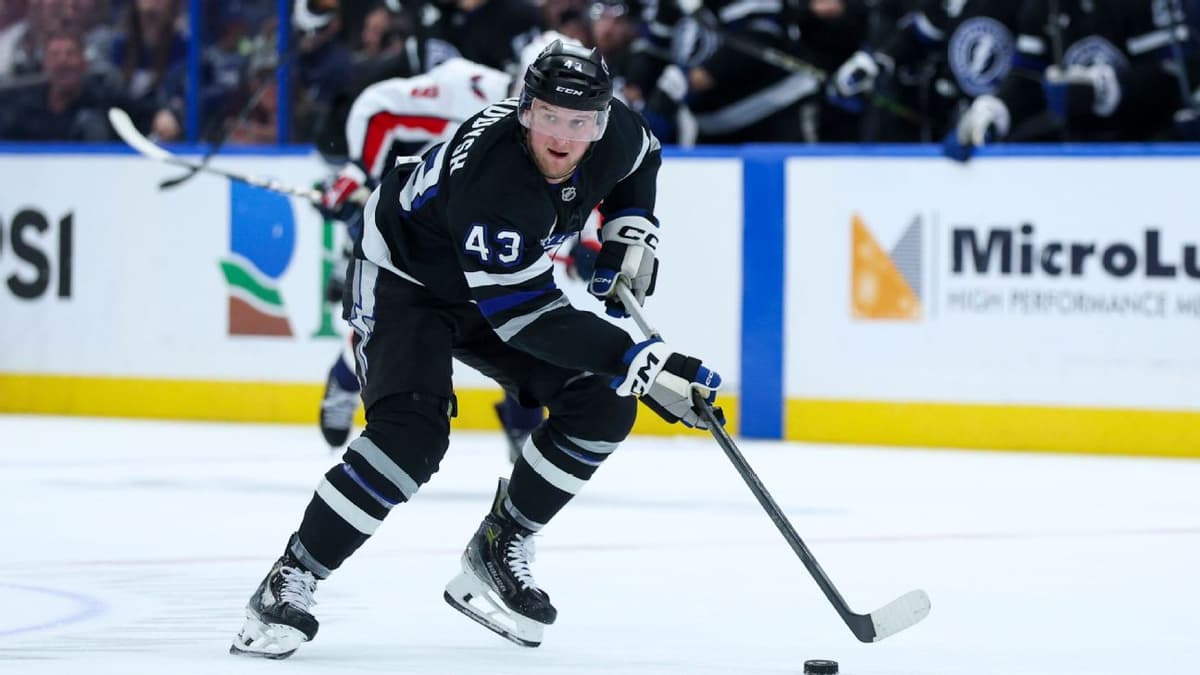
- Tampa Bay Lightning: An aging core and heavy minutes for veteran stars could lead to late-series fatigue.
- Dallas Stars: Reliance on young prospects to carry the secondary scoring load in high-pressure moments.
- Vegas Golden Knights: Salary cap gymnastics leading to a lack of roster continuity heading into April.
- Utah Mammoth: As a rising force, their primary flaw is a lack of deep playoff experience in high-leverage situations.
The Experience Gap and Goaltending Questions
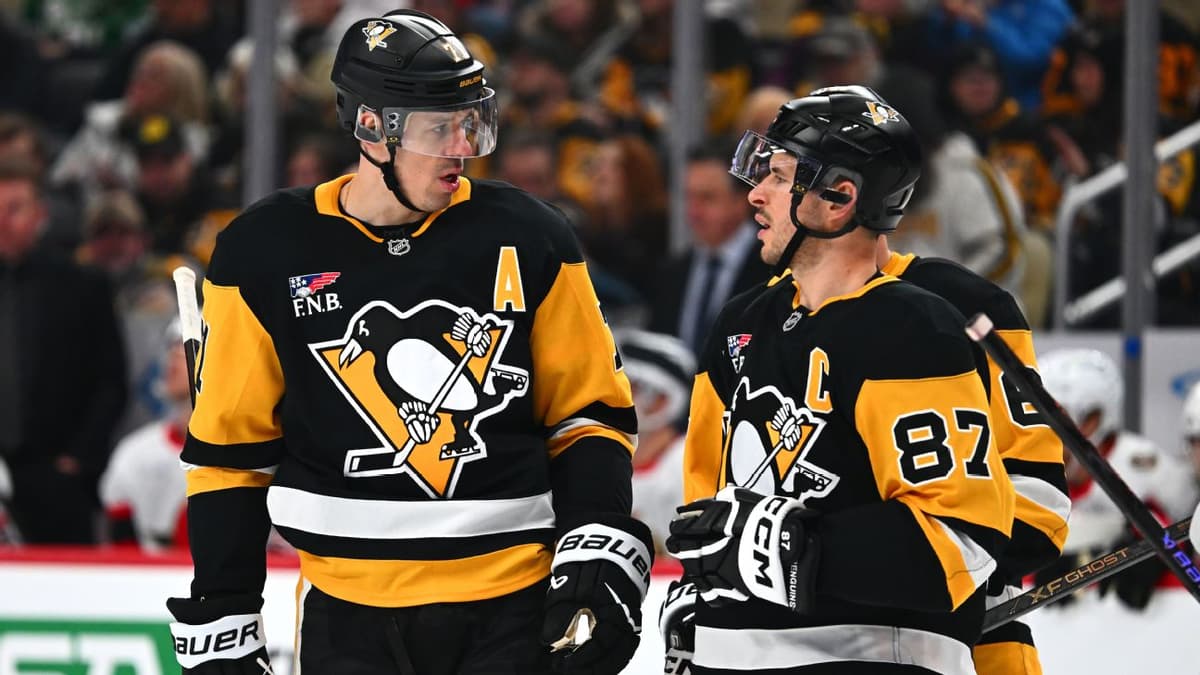
For emerging teams like the Utah Mammoth and the Los Angeles Kings, the biggest hurdle is often the psychological weight of the postseason. The Mammoth have surprised the league with their speed and tenacity, but the playoffs are a different beast. Teams like the Pittsburgh Penguins or Tampa Bay Lightning—even if their rosters are older—possess a "playoff muscle memory" that younger squads simply haven't developed yet.
Goaltending also remains the ultimate wildcard. Teams like the Toronto Maple Leafs or New Jersey Devils (often scrutinized in this area) must prove that their netminders can steal a game when the defensive system breaks down. A team can survive a lack of scoring for a game or two, but a flaw in the crease is almost always fatal in a seven-game series.
How These Flaws Dictate the 2026 Narrative
As the regular season winds down, the most successful coaches will be those who can mask these Stanley Cup contender flaws through tactical adjustments. Whether it is shortening the bench to hide a weak third pair or shifting defensive schemes to protect a struggling goalie, the margin for error is razor-thin. For fans of the Buffalo Sabres, Minnesota Wild, and Philadelphia Flyers, watching how these top-tier teams manage their internal issues will be the most compelling storyline of the spring.
Ultimately, the Stanley Cup isn't just won by the best team; it's won by the team that best survives its own imperfections. As the 2026 playoffs loom, every contender is officially on notice.
Sources & Original Reporting