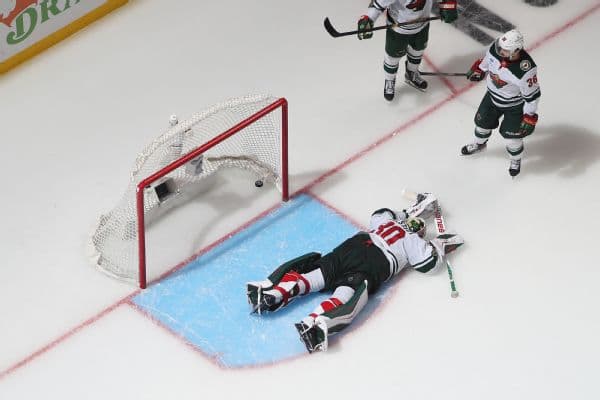
The silence in the locker room spoke louder than any post-game analysis ever could. For the Minnesota Wild, the postseason didn't just end; it evaporated in the thin air of Denver. After jumping out to a commanding three-goal lead in the first period, the Minnesota Wild season ends with a bitter 4-3 overtime loss to the Colorado Avalanche in Game 5.
A Dominant Start Turns Into a Nightmare
The game began exactly how Minnesota fans had dreamed. Desperate to extend the series and return home to St. Paul for a Game 6, the Wild came out with a level of intensity that caught the Avalanche off guard. Within the first twenty minutes, the Wild had built a stunning 3-0 lead, silencing the Ball Arena crowd and making a comeback for Colorado seem nearly impossible.
The offensive outburst was a testament to the team's depth and early-game urgency. Every bounce seemed to go their way, and for a brief moment, it looked like the momentum of the entire series had shifted back toward the State of Hockey. However, in the Stanley Cup Playoffs, no lead is truly safe—especially against a high-powered, resilient offense like the one featured in Colorado. The three-goal cushion, which should have been a safety net, instead became the backdrop for one of the most painful collapses in franchise history.
The Colorado Avalanche Mount a Resilient Comeback
The second period told a completely different story. The Avalanche, led by their superstar core, began to tilt the ice immediately after the first intermission. What was a frantic and disorganized Colorado team in the first period transformed into a methodical scoring machine. They began chipping away at the lead, scoring twice in the second frame to pull within a single goal and completely change the energy in the building.
The pressure from the Avalanche was relentless. They dominated the puck possession and forced the Wild into defensive shells, preventing any meaningful counter-attacks. By the time the third period rolled around, the tension was palpable. Colorado eventually found the equalizer, completing the three-goal comeback and sending the game into a sudden-death overtime period that would ultimately decide the Wild's fate for the year.
The Dagger in Overtime
In overtime, the margins for error are razor-thin. Despite several quality scoring chances for Minnesota to reclaim the lead and save their season, it was the Avalanche who found the back of the net to seal the victory. The 4-3 final score was a reflection of a game that slipped through the Wild's fingers in slow motion.
- First Period: Wild dominate with a 3-0 lead.
- Second Period: Avalanche respond with two goals, trailing 3-2.
- Third Period: Colorado finds the equalizer to make it 3-3.
- Overtime: Avalanche score the series-winner to advance.
The loss marks a significant collapse for a team that had shown flashes of brilliance throughout the series. To lose after holding such a substantial lead in an elimination game is a pill that will be incredibly difficult to swallow for the coaching staff and players alike. The inability to stop the bleeding once Colorado gained momentum proved to be the fatal flaw in Minnesota's postseason strategy.
Looking Ahead: An Empty Feeling in Minnesota
Following the game, the sentiment in the locker room was one of total devastation. Players and staff described the sensation as "empty," a fitting word for a team that felt they had the game—and the series extension—well within their grasp. When the Minnesota Wild season ends in this fashion, the questions about what went wrong and how to fix the defensive lapses will linger throughout the long summer months.
Head coach and veteran leaders will undoubtedly point to the inability to close out the game as the primary reason for the exit. "It’s hard to put into words right now," noted the team's leadership during the post-game press conference. "To have that lead and let it get away, it’s a feeling of emptiness that’s going to stay with us for a long time."
As the Colorado Avalanche move on to the next round of the NHL playoffs, the Minnesota Wild are left to pick up the pieces of a season that ended far sooner than they anticipated. The focus now shifts to the offseason, where management must decide how to bolster the roster to prevent such a collapse from happening again when the stakes are at their highest.
Sources & Original Reporting
