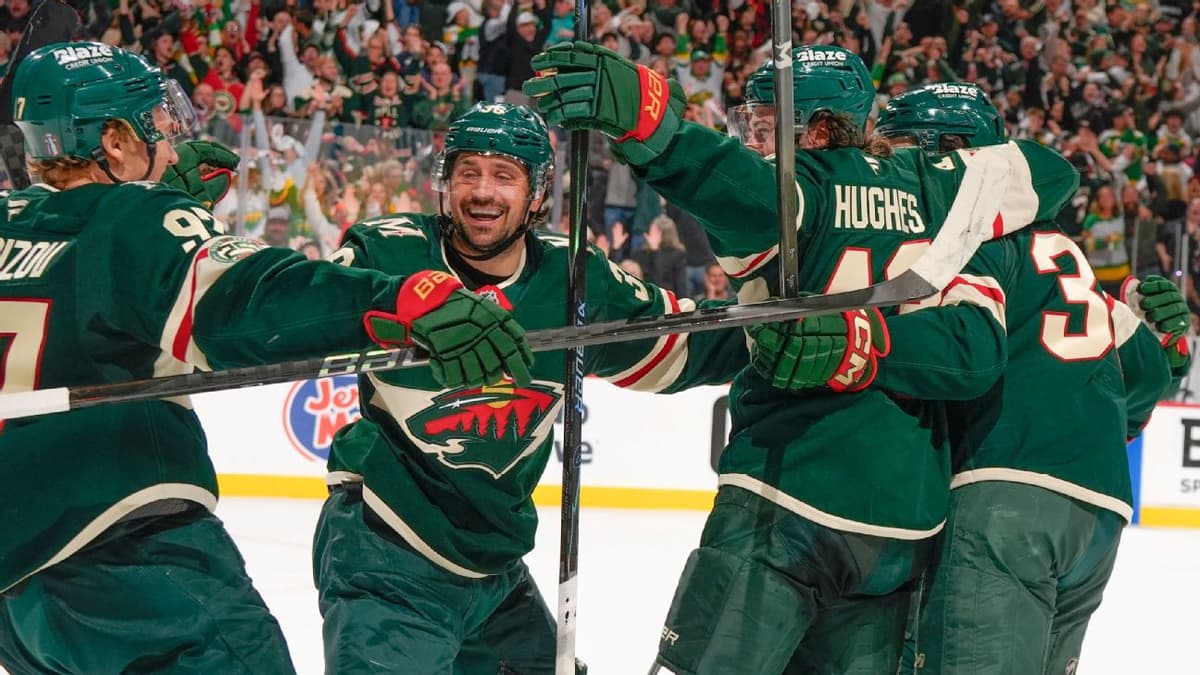
In the high-stakes world of the NHL, where the salary cap often forces difficult goodbyes and stars frequently test the open market, the Minnesota Wild have managed to cultivate something increasingly rare: genuine, long-term loyalty. As the Minnesota Wild Stanley Cup Playoffs run takes center stage in 2026, the narrative surrounding the team has shifted from their cap-strapped past to their status as a premier destination franchise. While other contenders have seen a revolving door of veteran talent, Minnesota has become the place players simply do not want to leave.
A Foundation Built on Mutual Commitment
The success currently being enjoyed by the Wild isn't the result of a lucky trade or a single draft lottery win. Instead, it is the culmination of a decade-long effort to build a locker room culture that prioritizes stability. In an era where "mercenary" veterans often hop from one contender to another on one-year deals, the Wild have secured their core through a mutual understanding of value and vision. General Manager Bill Guerin has famously emphasized that he wants players who "want to be here," and that philosophy is paying dividends in the 2026 postseason.
Key figures like Kirill Kaprizov and Matt Boldy have become the faces of this movement. By committing their prime years to the State of Hockey, they have sent a message to the rest of the league: Minnesota is no longer a flyover state for NHL talent. This commitment has created a ripple effect, encouraging veteran depth players to take team-friendly deals or skip free agency entirely to remain part of the collective. The result is a roster that feels more like a family than a business enterprise, a factor that many insiders believe is the secret sauce behind the team's current playoff surge.
Strategic Benefits of the Minnesota Wild Stanley Cup Playoffs Roster
During the current campaign, the benefits of this continuity are visible in every shift. While other teams are still trying to find chemistry between trade-deadline acquisitions and established stars, the Wild operate with a shorthand that can only be developed over years of playing together. This "on-ice telepathy" is particularly evident in their defensive zone exits and power-play execution, where players seem to know exactly where their teammates will be before the puck even arrives.
Defensive Synergy
Long-tenured defensive pairings allow for aggressive pinching and support play. Because these units have played hundreds of games together, there is an inherent trust that allows defenders to take calculated risks, knowing their partner has the coverage. This familiarity has turned Minnesota's blueline into one of the most difficult units to break down in a seven-game series.
Locker Room Leadership
A stable core of leaders ensures that postseason pressure doesn't lead to internal friction or panic during inevitable losing streaks. When the stakes are at their highest, the Wild rely on a leadership group that has weathered previous storms together. This emotional maturity prevents the "roller coaster" effect that often sinks younger or less cohesive rosters during the second and third rounds.
Systemic Familiarity
Players have mastered the coaching staff's demands over multiple seasons, significantly reducing mental errors in high-pressure situations. In the playoffs, where a single missed assignment can end a season, the Wild’s ability to execute their system on autopilot provides a massive advantage over opponents who are still adjusting to new line combinations or defensive schemes.
Why Players Choose to Stay in the State of Hockey
What makes the Wild different? According to several players, it’s the combination of world-class facilities, a hockey-obsessed community, and a front office that treats players like family rather than assets. In the modern NHL, the "human element" is often overlooked in favor of analytics and cap gymnastics. However, the Wild have proven that by investing in the person as much as the player, they can retain talent that might otherwise seek larger markets or warmer climates.
The organization has also benefited from the "State of Hockey" lifestyle. For many veterans with families, the stability of the Twin Cities provides a quality of life that outweighs the marginal gains of a slightly larger contract elsewhere. This has allowed the team to maintain a veteran presence that provides crucial poise during the chaotic environment of the postseason. Players aren't just playing for a paycheck; they are playing for a community they have truly integrated into, fueling the Wild's quest for the Cup.
The 2026 Postseason: A Test of Identity
As Minnesota's postseason journey progresses, the team's depth and chemistry will be tested against the league's elite. However, their unique approach to team building has already provided them with a foundation that most franchises envy. They aren't just a collection of talented individuals; they are a cohesive unit bound by years of shared experience and a collective desire to bring the first championship to St. Paul. The team's ability to retain veteran depth has also made them one of the hardest teams to match up against, as their bottom-six forward group consists of players who would be top-six contributors on lesser teams.
If the Wild are successful in their quest for a championship, it will serve as a blueprint for the rest of the league. It will prove that in a landscape dominated by player movement and short-term thinking, there is still immense value in building a culture of loyalty. For the fans, this year's run is more than just a hunt for a trophy—it’s a validation of the team’s identity and the belief that being a place where players want to stay is the ultimate competitive advantage in professional sports.
Sources & Original Reporting


