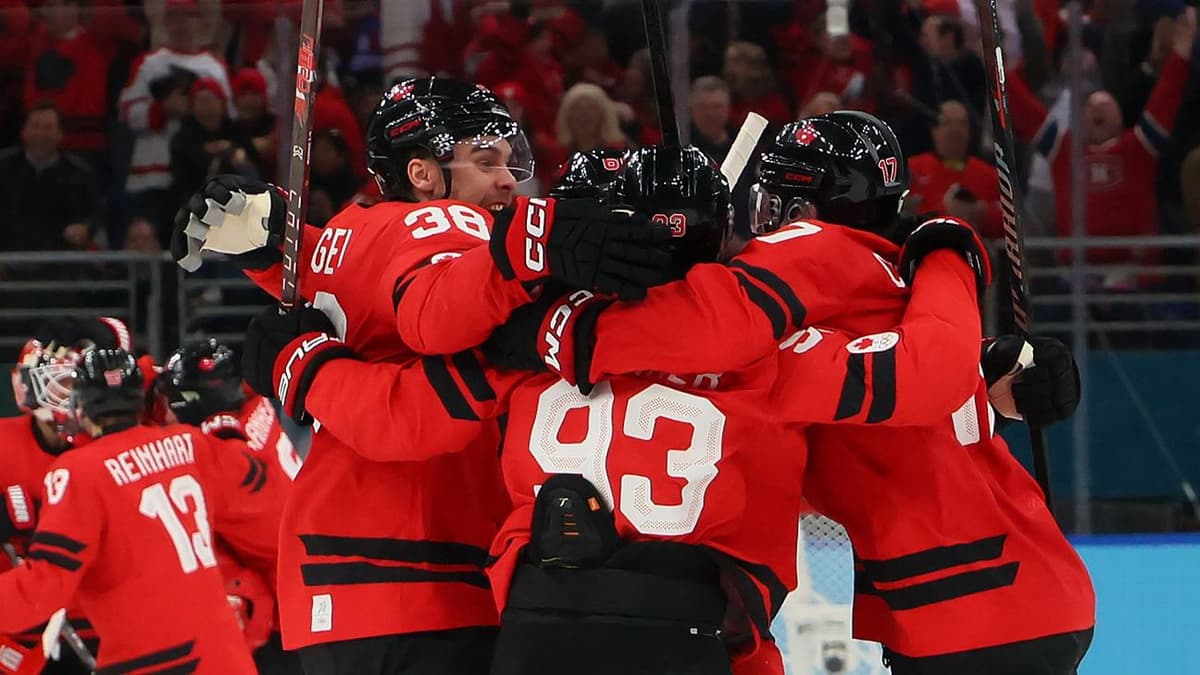
In a game that pushed the limits of Canadian hockey fans' nerves, Mitch Marner provided the definitive moment to keep the nation’s gold medal aspirations alive. The Mitch Marner Canada Olympic OT win over Czechia secured a 4-3 victory, narrowly avoiding what would have been a catastrophic quarterfinal exit from the Winter Games. After trailing for a significant portion of the third period, Canada’s resilience proved to be the difference-maker in a high-stakes encounter that lived up to the storied history of international competition.
The Czechia squad proved to be a formidable hurdle, utilizing a disciplined defensive system and timely scoring to put the tournament favorites on the brink of elimination. However, Canada’s depth and elite star power eventually wore down the opposition, leading to a frantic final frame and a sudden-death period that will be remembered as a turning point in their Olympic journey.
The Late-Game Heroics of Nick Suzuki
For much of the final period, the scoreboard told a grim story for Team Canada. Despite controlling long stretches of play, they found themselves trailing 3-2 as the clock ticked down toward the final minutes. The pressure in the arena was palpable as Canada struggled to find a way past the Czechia goaltender, who had been sensational throughout the contest.
The breakthrough finally arrived with just 3:27 remaining in regulation. Nick Suzuki, known for his high hockey IQ and clutch performance in the NHL, found a pocket of space in the offensive zone. After a sustained cycle by the Canadian forwards, Suzuki fired a precise shot that found the back of the net to tie the game at 3-3. The goal breathed new life into the Canadian bench and shifted the momentum entirely, forcing the game into a high-tension overtime period.
The Significance of the Mitch Marner Canada Olympic OT Win
With the game on the line in the extra frame, the open ice of overtime provided the perfect stage for the world’s most creative playmakers. Mitch Marner, who has been a focal point of Canada’s offensive strategy, took advantage of the additional space. Marner capitalized on a scoring opportunity with a clinical finish, beating the Czech goaltender and securing the 4-3 victory.
The goal was more than just a game-winner; it was a statement of intent from a player who has often carried the weight of national expectations. By finishing the comeback, Marner ensured that Canada would advance to the semifinals, keeping their quest for gold intact. The victory highlights the importance of individual brilliance in a tournament where the margin for error is non-existent.
Binnington and the Defensive Stand
While the offensive stars will receive the lion's share of the credit, Canada’s defensive effort was tested early and often. Czechia’s transition game and power play remained a constant threat, forcing the Canadian backline to stay disciplined under immense pressure.
Jordan Binnington’s Steady Presence in Goal
Goaltender Jordan Binnington was instrumental in keeping Canada within striking distance during the middle stages of the game. When Czechia pushed for a two-goal lead, Binnington turned aside several high-danger chances, demonstrating the composure that has defined his career. His ability to remain calm after conceding early allowed the Canadian offense the time they needed to eventually mount their comeback.
Limiting the Impact of Ondrej Palat
Czechia was led by veteran forward Ondrej Palat, who remained a dangerous presence every time he touched the ice. The Canadian coaching staff made several adjustments to neutralize Palat’s line, focusing on:
- Physical gap control to limit Palat's time and space in the neutral zone.
- Aggressive penalty killing to prevent the Czechia power play from finding a rhythm.
- Quick puck movement to force the Czechia defenders into long shifts in their own zone.
Avoiding a Historic Quarterfinal Upset
A loss in the quarterfinal round would have been viewed as a disaster for Canadian hockey. As the top seed entering the knockout stage, the pressure to perform is immense, and Czechia nearly executed the perfect game plan to orchestrate an upset. By overcoming a third-period deficit, Canada proved they possess the mental fortitude required to win ugly when their primary game plan is challenged.
The 4-3 result serves as a reminder that the talent gap in international hockey continues to shrink. Czechia’s ability to frustrate the Canadian stars for over 50 minutes of play will likely be a blueprint that other teams attempt to follow in the upcoming medal rounds. For Canada, the victory is a massive sigh of relief, but it also provides plenty of teaching moments for the coaching staff to address before the semifinals.
Looking Ahead to the Semifinals
With the quarterfinal hurdle cleared, Canada now moves into the final four with a renewed sense of urgency. The narrow escape against Czechia has effectively ended any complacency that may have existed after a strong preliminary round. The combination of Nick Suzuki’s late-game poise and Marner’s overtime heroics has solidified the team's top-six forward group as one of the most dangerous remaining in the field.
Refining Strategy for the Medal Round
As they prepare for their next opponent, Canada will likely focus on improving their starts. Falling behind early against a disciplined European side is a recipe for disaster, and the Canadians will need to find a way to dictate the pace from the opening faceoff. Additionally, the power play, which struggled at times during the quarterfinal, will need to be more efficient to avoid the need for late-game heroics in the future.
The journey to the top of the podium is never easy, and this 4-3 overtime win is a testament to the grit required to win at the Olympic level. Fans can expect an even higher level of intensity as the tournament reaches its climax. Stay tuned to Sport Syntax for complete coverage as Team Canada continues its pursuit of Olympic gold.
Sources & Original Reporting