With the final horn of the season still echoing, the focus of the hockey world shifts immediately from the ice to the front office. The 2026 summer period represents a critical juncture for franchises looking to hoist the Stanley Cup or jumpstart a rebuild. Identifying the NHL offseason keys for each team is essential for understanding how the landscape of the league will shift heading into the 2026-27 campaign.
Eastern Conference Powerhouses: Refining the Roster
For the Florida Panthers and New York Rangers, the offseason is less about a total overhaul and more about surgical precision. The Panthers, having established a culture of physical, high-pressure hockey, face the perennial challenge of managing the salary cap while retaining their core identity. Their primary objective will be identifying affordable depth scoring to complement their heavy hitters.
Meanwhile, the New York Rangers enter the summer with a clear directive: bolster the middle-six forward group. While their top-end talent remains elite, the Rangers' success in 2026-27 will depend on their ability to find consistent secondary production. The Toronto Maple Leafs find themselves in a similar position, though their focus remains squarely on defensive stability and finding a long-term solution in the crease to support their high-octane offense.
The Rebuilders: Maximizing the 2026 NHL Draft
For teams like the San Jose Sharks, Chicago Blackhawks, and Columbus Blue Jackets, the NHL offseason keys revolve almost entirely around the draft board and prospect development. The Blackhawks are entering a pivotal phase of the Connor Bedard era, where the focus must shift from simply acquiring assets to surrounding their superstar with legitimate NHL-caliber talent.
The San Jose Sharks and Columbus Blue Jackets are expected to be major players on the draft floor. For these franchises, the 2026 NHL Draft is not just about picking the best player available, but about establishing a positional identity. Whether it is elite blue-line prospects or high-ceiling centers, these teams need to hit on their top picks to accelerate their timelines back toward playoff contention.
Western Conference Outlook: Staying Competitive
In the West, the Vancouver Canucks and Winnipeg Jets face different but equally daunting challenges. The Canucks have proven they can compete with the league's best, but their offseason priority will be navigating the expiring contracts of key supporting players. Maintaining the chemistry that propelled them to the top of the Pacific Division is paramount.
The Winnipeg Jets and Nashville Predators remain in the "win-now" window but require specific upgrades to truly contend. For Nashville, under the leadership of Barry Trotz, expect an aggressive approach in the trade market. The Predators have shown a willingness to move draft capital for established players who fit their high-tempo system. The St. Louis Blues and Calgary Flames also find themselves in the middle of the pack, searching for the right balance between veteran leadership and an infusion of youth.
Key Offseason Storylines to Watch
- Salary Cap Management: With the cap expected to rise, which teams will use that space to weaponize their rosters versus those who will use it to absorb bad contracts for assets?
- The Goaltending Carousel: Several teams, including the New Jersey Devils and Detroit Red Wings, are still searching for a definitive number-one starter to solidify their postseason aspirations.
- Trade Market Volatility: With several high-profile names entering the final years of their deals, the 2026 offseason could see blockbuster moves involving the Winnipeg Jets or Toronto Maple Leafs.
Strategic Moves for the 2026-27 Season
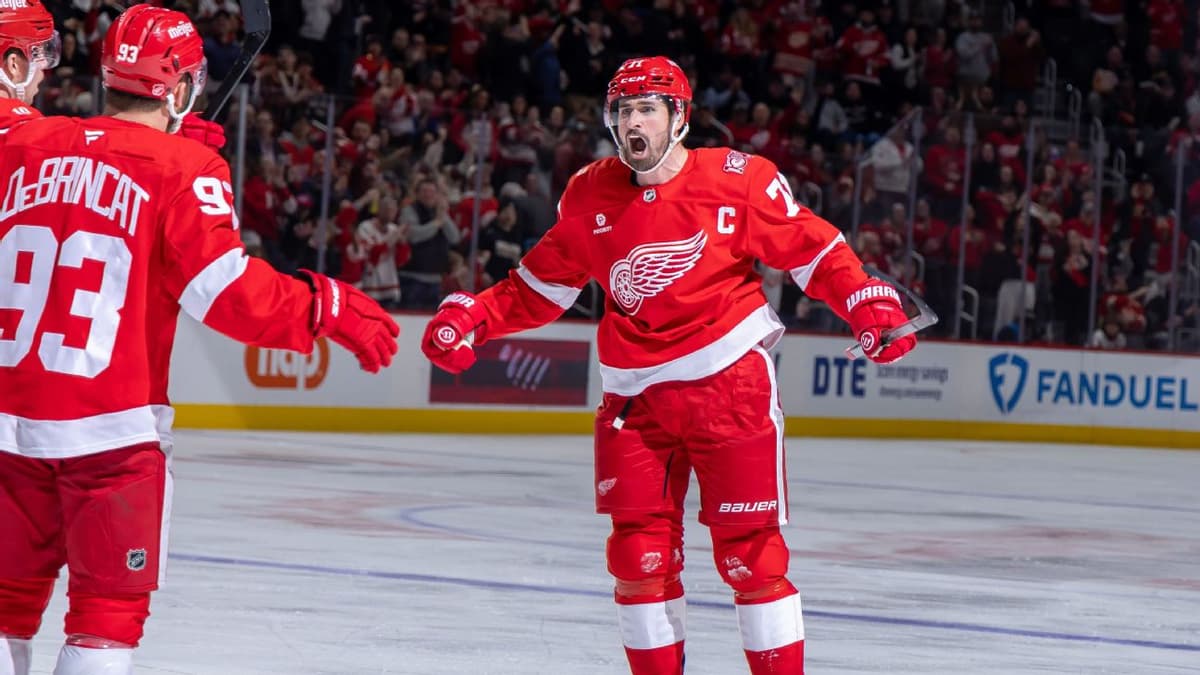
The Detroit Red Wings and New Jersey Devils are perhaps the two most intriguing teams to watch this summer. Both have built impressive young cores but have struggled with consistency. The NHL offseason keys for these Atlantic and Metropolitan contenders involve adding veteran grit and improving team defense. The Red Wings, in particular, need to prove that their rebuilding phase is officially over by making a splash in free agency.
Finally, the Washington Capitals and New York Islanders face the reality of aging rosters. Their challenge is to remain competitive in the short term while ensuring they don't leave the cupboard bare for the future. Whether through clever trades or targeted free-agent signings, these veteran-heavy teams must find a way to get faster and more versatile to keep pace with the league's rising youth movement.
Sources & Original Reporting